The B vitamins are a group of eight water-soluble nutrients with genuine, distinct roles in energy metabolism, nerve function, and red blood cell formation. Below you’ll find our picks, along with two safety points specific to this category — B6 and B12 — that are easy to miss when B vitamins are marketed together as one uniformly “safe” group.


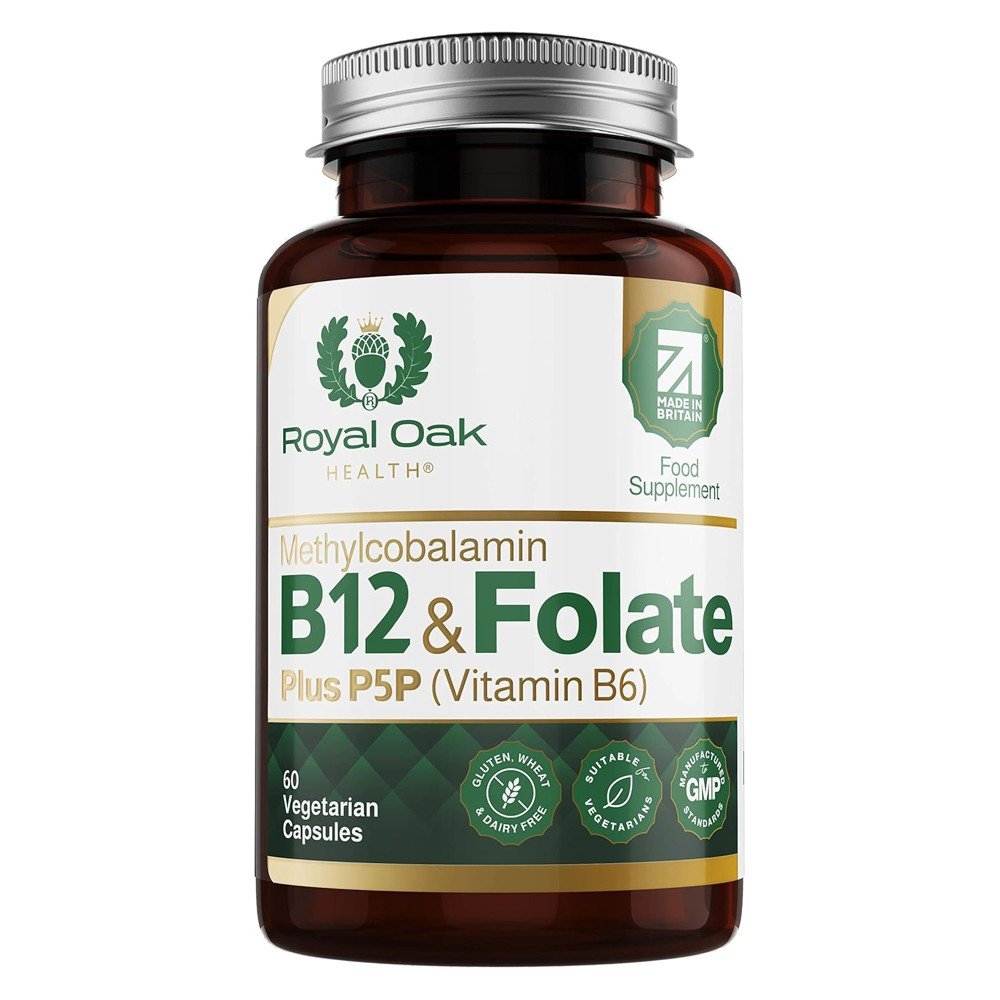
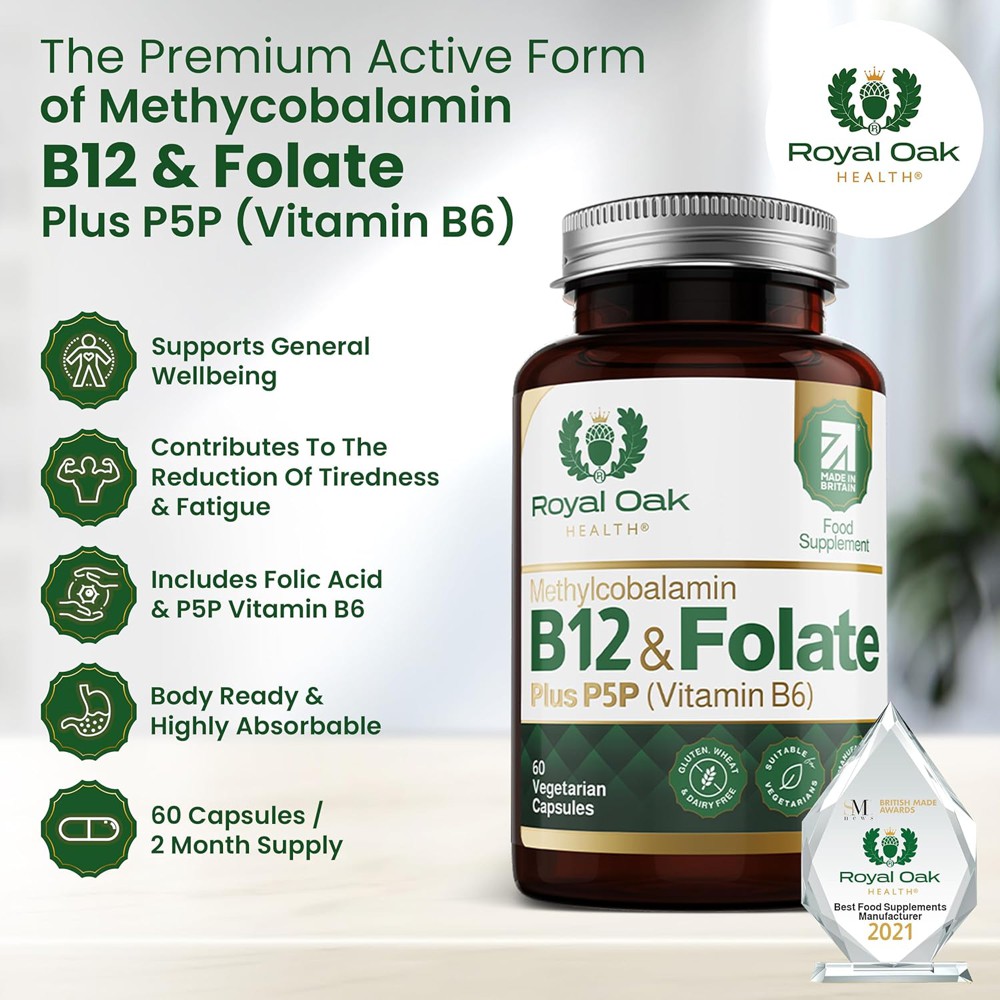
Vitamins & Minerals
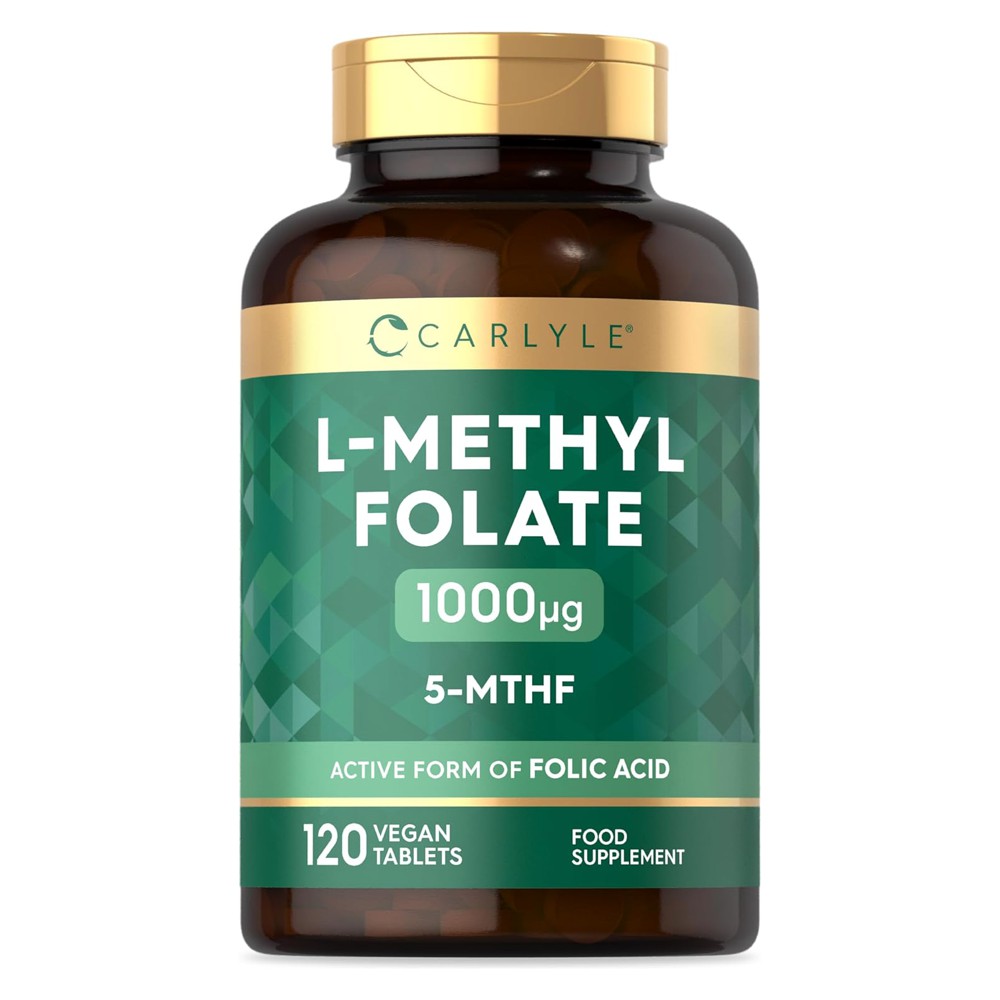

Vitamins & Minerals
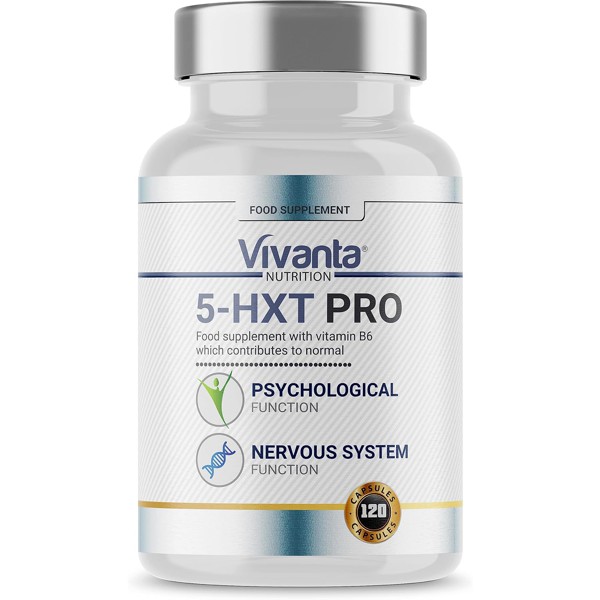
Vitamins & Minerals


Beauty & Skin Support

Vitamins & Minerals
Vitamins & Minerals
Vitamin B Complex: What Research Actually Shows
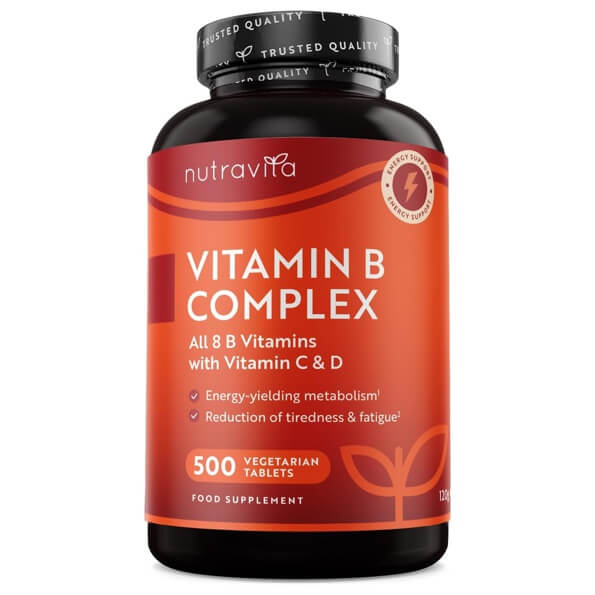
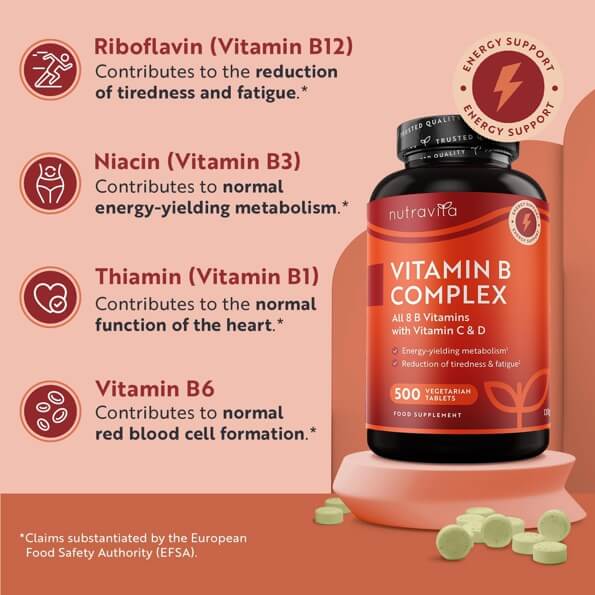
The B vitamins — eight distinct water-soluble nutrients including B12, B9 (folate), and B6 — play genuine, well-established roles in converting food into usable energy, supporting normal nerve function, and forming red blood cells. It’s worth being precise about a couple of the more confidently marketed claims: B12 and folate specifically help prevent megaloblastic anaemia (one particular type, caused by deficiency in these nutrients), rather than “preventing anaemia” broadly, since anaemia has several different causes. Similarly, “enhancing cognitive function” or improving mood is most accurate when understood as correcting a genuine deficiency — fatigue and low mood are common symptoms of B vitamin shortfalls specifically — rather than a general boost for people who are already getting enough.
Two safety points worth knowing that are specific to individual B vitamins, not the group as a whole:
As covered in more detail in our folate vs folic acid guide, high doses of folic acid can mask the blood-count symptoms of vitamin B12 deficiency, meaning a doctor might identify anaemia without catching an underlying B12 problem — this matters for B-complex products specifically, since they typically combine both nutrients. If you’re taking a B-complex at higher, sustained doses, it’s worth ensuring your B12 status is also genuinely adequate rather than assumed.
Vitamin B6 has a real, UK-regulated safety limit that’s easy to overlook: the UK Committee on Toxicity has set 10mg daily as the safe upper limit for B6 from supplements specifically, given a documented risk of peripheral neuropathy (nerve damage causing tingling, numbness, and in some cases longer-lasting symptoms) at higher, sustained doses — which is why UK products containing 11-49mg of B6 must be sold as pharmacy-only, not from general retail. Check your B-complex or multivitamin’s B6 content against this limit, particularly if you take more than one supplement containing B6.
Most B vitamins are water-soluble and excess is generally excreted rather than stored, which is part of why B-complex supplements are generally well tolerated — B6 is the clear exception to be aware of. As with any supplement, speak to your GP before starting if you take regular medication or have an existing health condition, and choose products that clearly state the amount of each individual B vitamin rather than a vague “B-complex blend” total.