Quality sleep touches nearly every aspect of wellbeing — cognitive function, emotional stability, and physical recovery among them. Understanding what’s actually happening during sleep, and what genuinely helps improve it, is more useful than chasing the latest sleep trend.
What Happens During Sleep
Sleep does far more than leave you feeling refreshed. During rest, the brain consolidates memories, cells carry out repair processes, and the immune system supports its normal defences.
Research consistently links getting seven or more hours of sleep to a lower risk of several serious health concerns over time, including cardiovascular disease, type 2 diabetes, depression and anxiety, weaker immune function, and difficulties with weight management and cognitive performance — a genuinely strong, well-replicated body of evidence, even if any single cited study’s precise figures vary by source.
The NHS notes that a substantial proportion of Britons regularly experience poor sleep quality, a widespread issue that affects not just individual health but also productivity, workplace safety, and general quality of life.
Understanding the Sleep Cycle
A night’s sleep moves through distinct stages: light sleep (a brief transition into rest), deeper N2 sleep (where body temperature drops and heart rate slows), deep N3 sleep (the most physically restorative stage), and REM sleep (when brain activity increases, dreaming occurs, and emotional processing takes place). A healthy adult typically completes 4-6 full cycles through these stages per night, and disruptions to this rhythm — waking frequently, for instance — prevent full restoration from any single stage.
How Quality Sleep Affects Daily Life
Sleep’s role in cognitive function is substantial: during deep sleep specifically, the brain forms new neural connections that help consolidate learning, and well-rested people generally show better problem-solving, creativity, and decision-making as a result. Sleep researchers, including well-known work from UC Berkeley, have found that inadequate sleep before learning something new can meaningfully reduce the brain’s capacity to absorb that information in the first place — sometimes cited as up to a 40% reduction — which is part of why sleep the night before an important exam or presentation genuinely matters, not just sleep afterward.
Sleep and emotional regulation are closely linked too — poor sleep tends to amplify stress responses and emotional reactivity, while adequate rest supports steadier mood and a more balanced outlook generally.
Deep sleep specifically triggers the release of growth hormone, relevant to tissue repair and muscle development, which matters for anyone physically active or recovering from illness or injury. Sleep and immune function are connected as well — well-known research (often cited from Carnegie Mellon’s Sheldon Cohen and colleagues) has found that people getting less than six hours of sleep are considerably more likely to catch a cold after viral exposure compared to those sleeping seven hours or more, a genuinely practical reason to prioritise sleep specifically during periods when you’re trying to avoid getting ill.
What Commonly Disrupts Sleep
A handful of everyday factors interfere with restorative sleep: blue light from phones and screens, which suppresses melatonin production; irregular bedtimes, which confuse the body’s internal rhythm; caffeine and alcohol, both of which disrupt normal sleep architecture even when they don’t prevent falling asleep outright; environmental factors like noise, light, or an uncomfortably warm room; and racing thoughts or general stress and anxiety, which keep the mind too active to properly wind down.
Sleep Supplements Worth Knowing About
Sleep hygiene is the foundation — the supplements below are a reasonable addition to that foundation, not a substitute for it.
Magnesium Glycinate
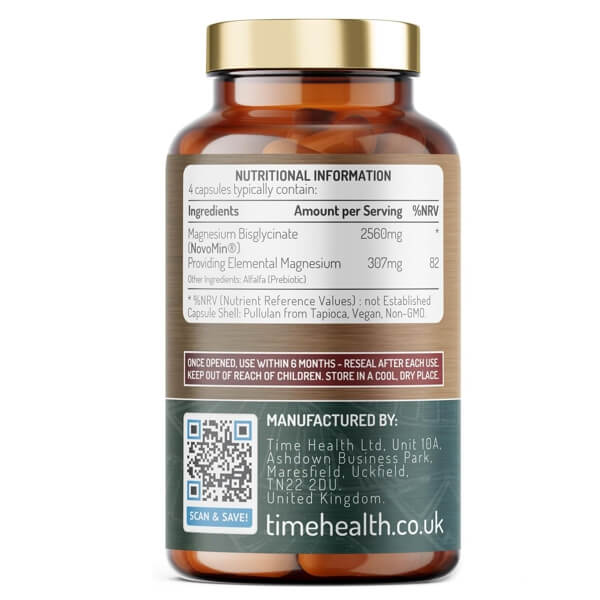
A meaningful proportion of adults fall short on magnesium, and low levels are genuinely linked to poorer sleep quality in research, partly through magnesium’s role in GABA receptor function, which helps calm nervous system activity. Glycinate is generally considered the preferred form for sleep specifically, since it’s gentle on the stomach, well absorbed, and paired with glycine, an amino acid with its own calming properties.

Vitamins & Minerals
Topical magnesium products, applied to the skin alongside ingredients like lavender or chamomile, are a popular alternative to oral supplements — though it’s worth knowing that the science on how much magnesium is actually absorbed through skin in clinically meaningful amounts is genuinely less settled than for oral forms, so it’s reasonable to treat this route as a pleasant addition to a wind-down routine rather than a guaranteed equivalent to oral supplementation.
L-Theanine
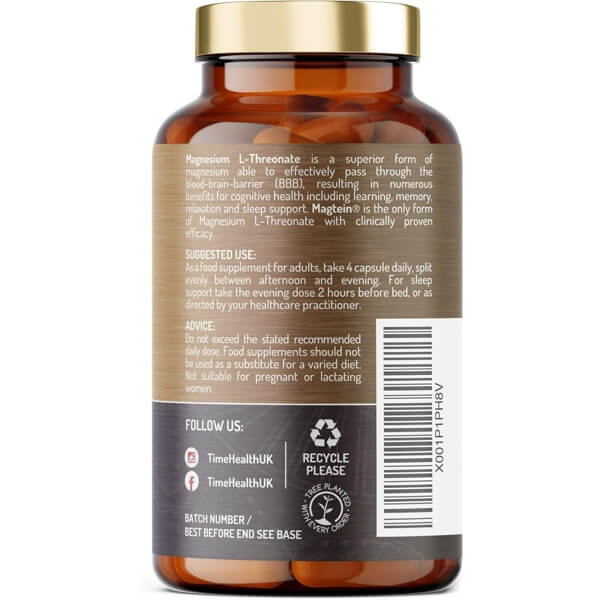
This amino acid, naturally found in tea leaves, is studied for promoting relaxation without sedation, largely through increasing alpha brain wave activity — the same brain wave pattern associated with meditation — and influencing serotonin and dopamine, both relevant to mood and sleep regulation. Research suggests L-theanine may help reduce the time it takes to fall asleep while supporting overall rest quality, making it a reasonable option specifically for people whose sleep difficulties stem from a racing mind or mild anxiety rather than physical restlessness.

Vitamins & Minerals
Most sleep supplements, L-theanine included, are best taken 30-60 minutes before bed, and consistency matters considerably more than any single dose — establishing a routine helps your body anticipate and prepare for sleep over time.
Montmorency Cherry Extract
Montmorency cherries are one of the richer natural food sources of melatonin, the hormone central to regulating the sleep-wake cycle. Since synthetic melatonin isn’t available over the counter in the UK (it requires a prescription), cherry extract is a reasonable food-based alternative for people interested in a melatonin-adjacent approach. Some research, including studies from UK universities, has found that Montmorency cherry juice or concentrate was associated with longer, more restful sleep in participants — a genuinely interesting area, worth treating as one option among several rather than a guaranteed fix on its own.
Building a Sleep-Supportive Environment
Supplements work best paired with solid sleep hygiene: consistent sleep and wake times, even at weekends; a cool (around 16-18°C), dark, quiet bedroom; keeping electronic devices out of the bedroom entirely, rather than just switching them to silent; a calming pre-sleep routine — reading, gentle stretching, or meditation; and avoiding heavy meals, caffeine, and alcohol in the hours before bed.
When to See a Doctor
Occasional poor nights are normal and not usually a concern. It’s worth seeing your GP, though, for chronic insomnia lasting more than three months, excessive daytime sleepiness despite what seems like adequate rest, loud snoring or gasping/breathing pauses during sleep (which can indicate sleep apnoea), persistent morning headaches, or sleep problems significantly affecting your daily functioning — these deserve proper assessment rather than continued self-management with supplements alone.
Final Thoughts
Quality sleep is one of the more accessible, evidence-backed ways to support overall health — understanding what’s actually happening during rest, and pairing genuine sleep hygiene with a sensibly chosen supplement where it helps, moves you toward more restorative nights.
Magnesium in particular tends to work best with daily use, since the body uses and depletes it continuously, and any meaningful change to sleep patterns generally takes several weeks to become clearly noticeable — patience matters here more than with many other supplements on this site.
Disclaimer: This article is for informational purposes only and does not constitute medical advice. Always consult your GP if sleep difficulties are persistent or significantly affecting your daily life, particularly if you notice signs of sleep apnoea such as loud snoring or breathing pauses.