Living with diabetes means making informed choices daily, and medication alongside lifestyle changes remain the foundation of care. This guide looks at what current research says about several supplements sometimes used alongside — never instead of — a diabetes management plan. As you’ll see below, the evidence for most of them is still preliminary.
Understanding Diabetes: A Growing Concern in the UK
Diabetes affects over 5.8 million people across the UK, with numbers rising yearly. This metabolic condition occurs when your body struggles to regulate blood glucose properly.
Type 1 vs Type 2: Different Paths, Same Challenge
Type 1 diabetes is an autoimmune condition where the pancreas produces little to no insulin. Those with Type 1 require insulin therapy for life. The condition typically develops in childhood or adolescence.
Type 2 diabetes accounts for about 90% of UK cases. The body becomes resistant to insulin or produces insufficient amounts. Genetics play a role, but diet, physical activity, and weight significantly influence development.
Gestational diabetes temporarily affects some women during pregnancy. The condition typically resolves after childbirth but indicates higher risk for Type 2 later.
The Role of Supplements in Diabetes Management
Currently there is insufficient scientific evidence to suggest that any dietary supplements help prevent or manage diabetes unless there is a known deficiency. Diabetes UK does not recommend herbal remedies and supplements as there is not enough evidence that they are safe and effective.
This is an important starting point: no supplement listed below is a treatment for diabetes, and none should be used to replace prescribed medication. The sections that follow summarise what early research has explored — much of it in small or short-term studies — not established clinical guidance.
However, emerging research suggests certain natural compounds are being studied for a possible complementary role alongside conventional treatment, particularly in relation to insulin sensitivity, glucose metabolism, inflammation, and diabetes-related complications.
Important: Always consult your GP or diabetes specialist before adding supplements. Some combinations with insulin or diabetes medications cause dangerous drops in blood sugar.
Supplements Backed by Early Research
1. Chromium Picolinate
Some studies have explored whether chromium picolinate may influence insulin activity and glucose metabolism in people with type 2 diabetes, though results across trials have been inconsistent and larger studies are needed before firm conclusions can be drawn. Typical study doses range from 200–1000mcg daily.
Chromium is thought to play a role in how the body responds to insulin, and some research links it to modestly improved glucose tolerance — though findings are not consistent across all studies.
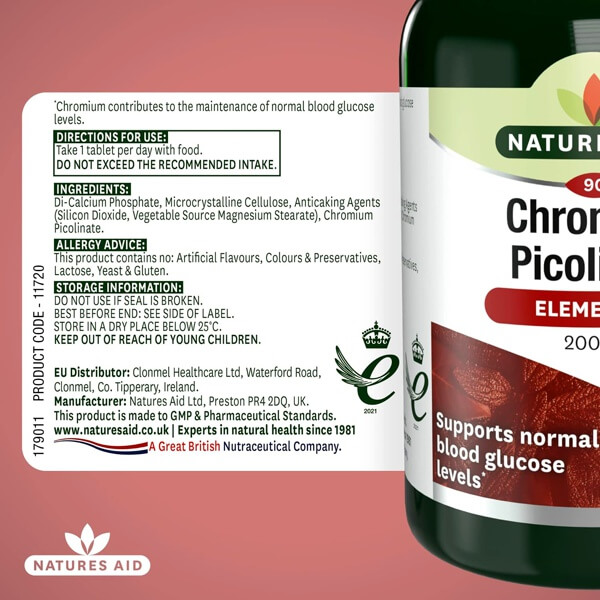
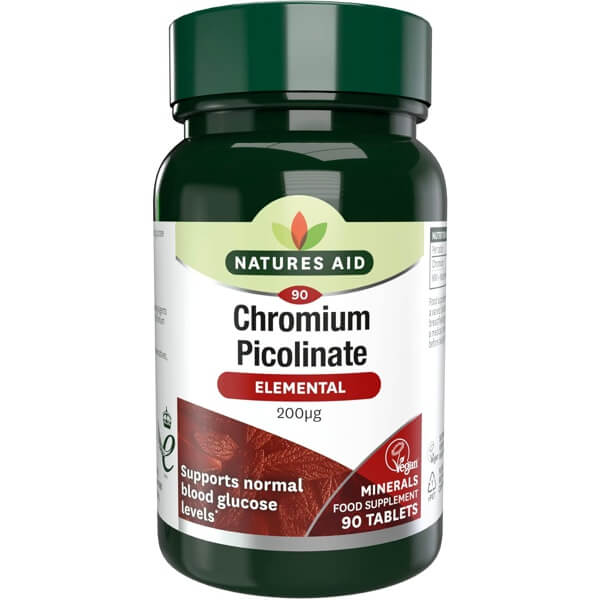
Natures Aid Chromium Picolinate offers one way to incorporate this mineral into your routine. Note that 200-1000mcg reflects the range used in research studies, not a universal recommendation — check with your GP or pharmacist for a dose appropriate to you.
Vitamins & Minerals
2. Alpha-Lipoic Acid (ALA)
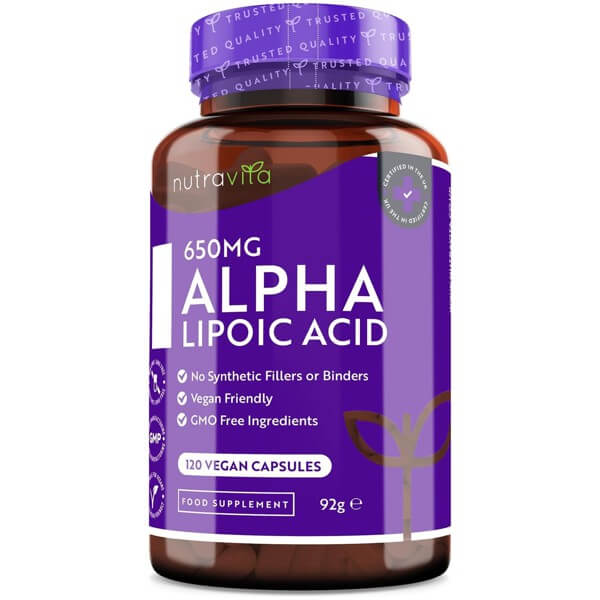
ALA has been studied for its potential role in diabetic neuropathy, with some trials reporting a reduction in nerve-related discomfort. This research is specific to nerve symptoms — not to blood sugar control itself — and should be discussed with a specialist rather than self-managed.
This antioxidant is both fat- and water-soluble, meaning it can work throughout the body. Some research has also explored a possible link between ALA and reduced oxidative stress, though its effect on insulin sensitivity itself is less well established.
People experiencing diabetes-related nerve discomfort sometimes discuss ALA with their specialist as one option among several. Typical study dosages range from 300–600mg daily, but any use alongside neuropathy treatment should be supervised by your healthcare team.

Immunity & Antioxidants
3. Cinnamon Extract
Ceylon Cinnamon contains antioxidant compounds, and oxidative stress is a factor researchers associate with chronic disease more broadly.
Some laboratory and small human studies have investigated whether cinnamon compounds influence how cells respond to insulin, though the effect size in humans is modest and inconsistent across trials — this is an area of ongoing research rather than an established finding.
Ceylon cinnamon is generally preferred over Cassia cinnamon for regular, longer-term use because of its lower coumarin content. If you choose to try it, look for standardised extracts for more consistent potency.
4. Berberine
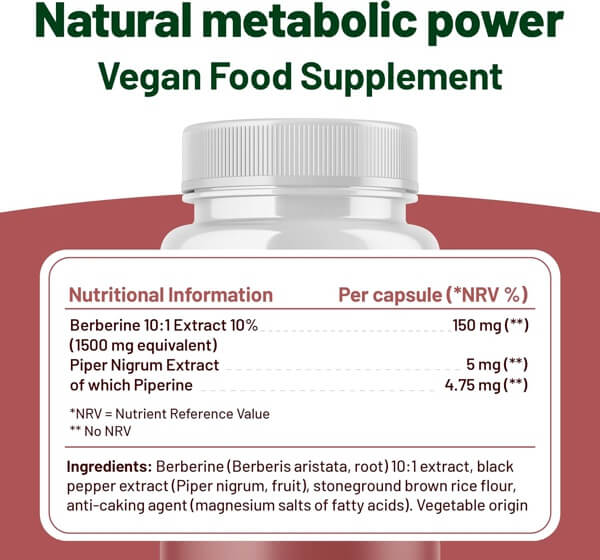
Berberine is one of the more researched compounds in this category, with several small clinical trials reporting effects on blood glucose markers. However, study quality varies, most trials are short-term, and berberine is not a substitute for prescribed diabetes medication — nor should its effects be assumed to match those of medication without your doctor’s guidance.
Berberine supplements typically come in 500mg capsules, with study protocols commonly using 1–1.5g daily divided into 2–3 doses with meals. Because berberine can interact with diabetes medication and lower blood sugar significantly, do not start it without first discussing it with your GP or diabetes specialist.

Herbal Supplements
5. Magnesium
Magnesium deficiency is common among people with diabetes, and low magnesium levels are associated with reduced insulin secretion and increased insulin resistance in some studies of type 2 diabetes.
Many Britons don’t get enough of this essential mineral through diet alone. Magnesium is involved in glucose metabolism and how the body responds to insulin, though supplementing it is not a treatment for blood sugar issues on its own.
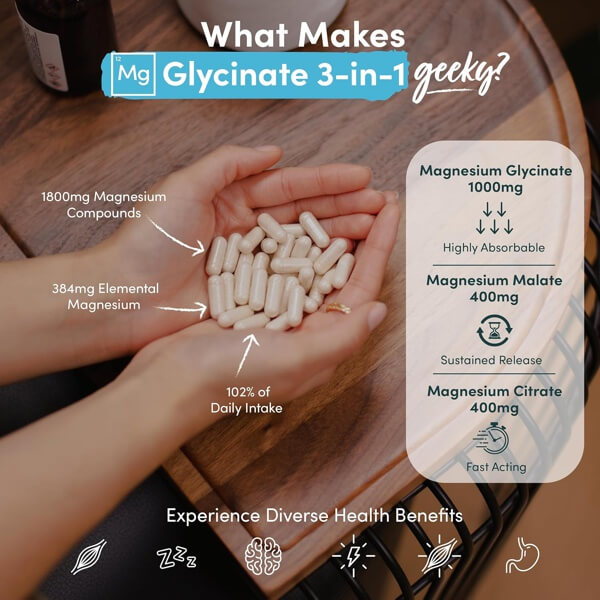
Magnesium glycinate or citrate forms tend to be better absorbed and gentler on digestion than magnesium oxide. The UK reference nutrient intake is 300mg for men and 270mg for women — supplementing beyond genuine dietary shortfall should be discussed with your GP, particularly if you take diabetes medication.

Vitamins & Minerals
Beyond Supplements: Holistic Approaches to Diabetes Management
Supplements work best alongside proven strategies: balanced nutrition focused on low-glycaemic foods, plenty of vegetables, moderate protein, and healthy fats; regular physical activity, aiming for at least 150 minutes of moderate exercise weekly; weight management, since even modest weight loss significantly improves insulin sensitivity; stress reduction, given chronic stress elevates blood glucose (mindfulness practices help); and adequate sleep, since poor sleep disrupts glucose regulation and increases insulin resistance.
When to Consult a Healthcare Professional
Always work with your healthcare team when making changes to your diabetes management plan. Seek immediate medical attention if you experience:
- Unexplained changes in blood glucose readings
- Symptoms of hypoglycaemia (low blood sugar)
- Signs of hyperglycaemia (high blood sugar) that don’t respond to treatment
- Concerning side effects from supplements or medications
Final Thoughts
The supplements discussed above are areas of ongoing research — not established treatments — and should never replace prescribed diabetes medication or medical care. Proper medical care, balanced nutrition, regular physical activity, and healthy lifestyle choices remain the foundation of diabetes management.
Working closely with your healthcare team, alongside sustainable lifestyle habits, is what actually drives better glucose control and lower long-term complication risk for most people with diabetes.
Disclaimer: This article is for informational purposes only and does not constitute medical advice. Always consult your GP or pharmacist before starting any supplement, particularly if you take regular medication or have an existing health condition.