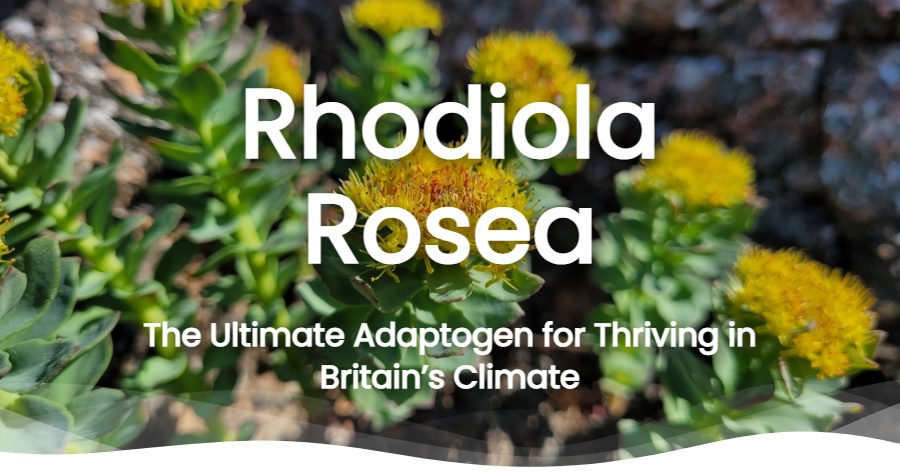
Do UK winters drain your energy? Does limited sunlight affect your mood? Are you looking for stress support without caffeine-like jitters?
Rhodiola rosea is an Arctic-growing herb studied for a role in helping the body adapt to stress, low energy, and the demands of darker months — challenges many UK residents recognise every winter.
The root contains over 140 identified compounds, with rosavin and salidroside standing out as the most studied, thought to work together in relation to stress and energy balance.
Research interest in rhodiola has grown considerably in recent decades, building on centuries of traditional use in Russian and Scandinavian medicine — though as with most herbal research, human clinical evidence varies considerably in strength depending on which specific benefit you’re looking at.
What Research Says About Rhodiola Rosea
Mental Performance and Mood
Rhodiola is studied for its influence on serotonin, dopamine, and norepinephrine — neurotransmitters involved in mood, attention, and cognitive processing. Research has explored a role in reduced mental fatigue and improved concentration, memory and learning-related tasks, general mood support during stressful periods, and lower anxiety in some studies.
A note on depression specifically: some early research has explored rhodiola in relation to mild depressive symptoms — described in the scientific literature itself as a “putative” (proposed, not established) botanical antidepressant, with only small trials so far. This is genuinely different from the general mood-support research above, and it’s important to be direct about it: rhodiola is not a treatment for diagnosed depression, mild or otherwise, and shouldn’t be used as a substitute for professional care. If you’re taking antidepressant medication (particularly SSRIs), rhodiola’s effect on serotonin pathways means it’s worth checking with your GP before combining the two, rather than assuming it’s a safe addition.
Similarly, while rhodiola is sometimes discussed as complementary support alongside light therapy or medical treatment for seasonal affective disorder (SAD), it isn’t a substitute for a proper SAD diagnosis or treatment plan from your GP.
Physical Performance and Recovery
Some research points to benefits for athletes and active individuals, including greater endurance during exercise, lower perceived effort at a given intensity, some evidence of faster recovery between training sessions, and a studied role in cellular energy production (ATP synthesis). One study found participants taking rhodiola extract showed less muscle damage after exhaustive exercise compared to placebo — a genuinely interesting finding, though as with most single studies, it’s worth treating as promising rather than conclusive.
Stress Adaptation
This is rhodiola’s most consistently researched quality — helping the body respond to stress without the overstimulation associated with caffeine and similar stimulants. Research has explored a role in moderating cortisol during stressful situations, protecting cells from oxidative stress, supporting a healthy inflammatory response, and maintaining steadier energy under pressure.
Many users describe sustained energy during demanding periods without the jitters or crashes associated with stimulants — a genuinely distinctive quality among adaptogens, and one with reasonable research support.
Vitamins & Minerals
Rhodiola and Sex-Specific Research
For Men
Some research has explored rhodiola in relation to stress-related effects on testosterone (rather than boosting it beyond normal levels), sexual function and satisfaction in a small number of trials, and exercise performance and recovery, covered above. This remains an early, limited area of research rather than an established use, and sexual dysfunction can have many underlying causes worth discussing with a GP rather than self-treating with a supplement.
For Women
Some research and traditional use point to a possible role in general stress resilience across the menstrual cycle, PMS-related stress symptoms specifically rather than PMS as a whole, energy during demanding periods, and mood support during perimenopause and menopause, as part of broader stress adaptation rather than a targeted hormonal treatment. As with the male-specific research above, this is a less developed evidence base than the general stress-adaptation research, and shouldn’t be read as a specific hormonal treatment.
Rhodiola and UK Winters
The UK’s northern latitude means some regions see as little as 7-8 hours of daylight at peak winter, which is a genuine factor in seasonal energy and mood changes for many people.
For people affected by reduced sunlight, rhodiola is sometimes used as a complementary approach alongside light therapy or medical treatment for SAD — not instead of either.
Vitamins & Minerals
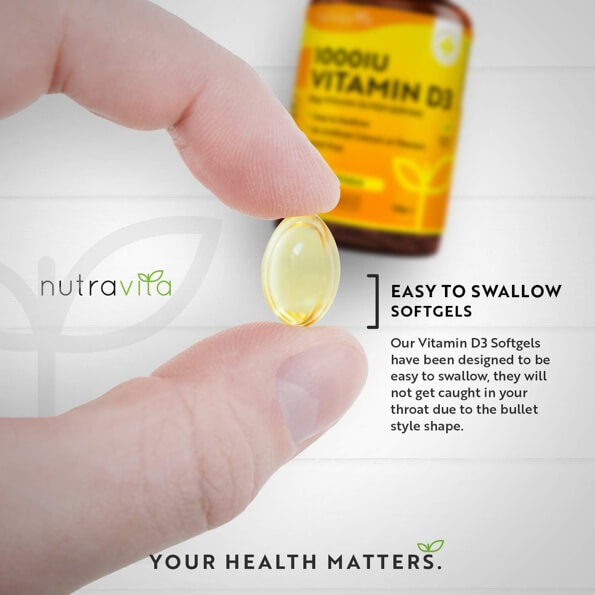
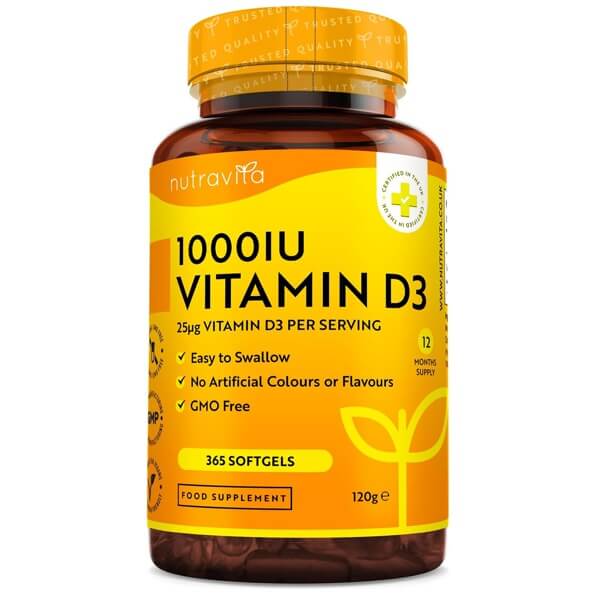
Around 20% of UK adults have low vitamin D levels during winter. It’s worth being clear that rhodiola contains no vitamin D itself — the two are separate considerations, and vitamin D deficiency should be addressed with vitamin D directly (and, ideally, a GP conversation), not assumed to be covered by rhodiola’s general energy-related effects.
Frequently changing UK weather and extended grey skies can affect mood and motivation for many people too — rhodiola’s studied adaptogenic properties may offer some support here, as one part of a broader approach to managing this, alongside things like light exposure, exercise, and social connection.
Safety Profile and Side Effects
Rhodiola rosea has a generally good safety record across the research available, with most side effects reported as mild — digestive discomfort, slight dizziness, dry mouth, and sleep disturbance if taken later in the day. These effects typically diminish as the body adjusts.
A few important cautions are worth taking seriously: people with bipolar disorder should speak to a healthcare provider before use, given rhodiola’s stimulating properties and a genuine risk around mood episodes; pregnant or breastfeeding women should avoid rhodiola, given insufficient safety data; if you take antidepressant medication, particularly SSRIs, check with your GP first, given rhodiola’s effect on serotonin pathways; and rhodiola may also interact with other medications affecting mood or blood pressure, so mention it to your GP or pharmacist if you take any regular medication.
Finding Your Dosage
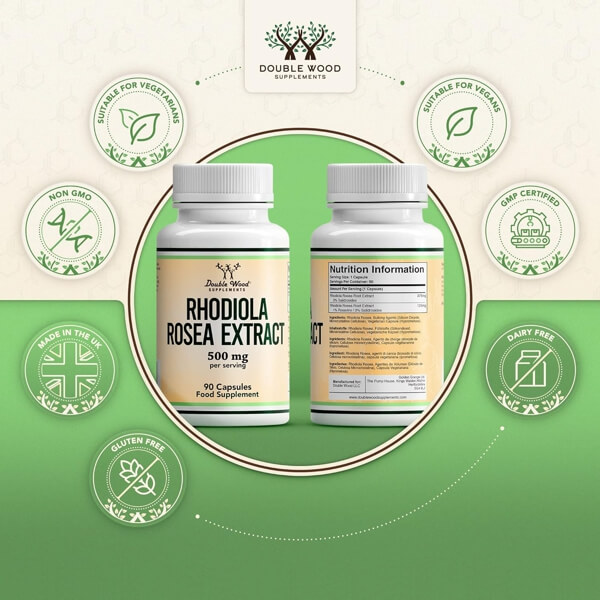
Appropriate dosage depends on the extract type and your specific goal. For standardised extracts (3% rosavins, 1% salidroside), commonly referenced ranges are 200-400mg daily for general wellbeing and stress management, 200-600mg daily for performance-related use, and 300-600mg daily for fatigue-related use.
Starting with a lower dose and increasing gradually is a sensible approach. Taking rhodiola with breakfast or before lunch helps avoid potential sleep interference later in the day.
Some people notice initial effects within days, with benefits generally becoming more established after 1-3 weeks of consistent use.
Choosing a Quality Rhodiola Product
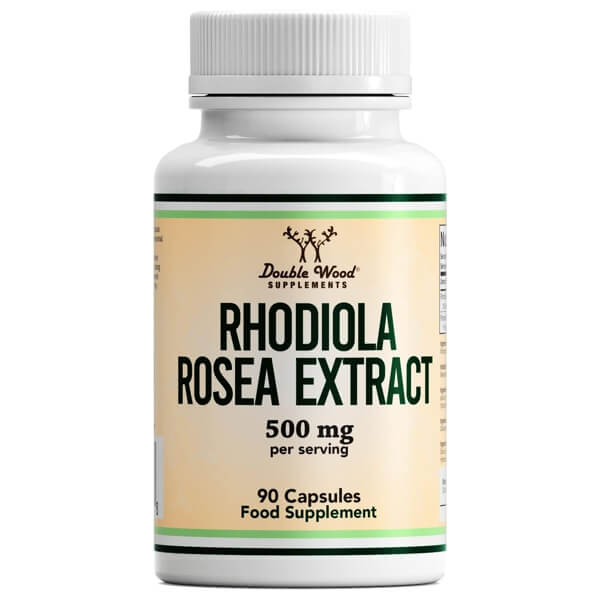
Rhodiola is available in several forms: capsules (most common, precise dosing), tinctures (liquid, generally faster absorption), powders (mixed into food or drinks), and tea (a traditional preparation, generally less potent than standardised extracts). Look for products standardised to 3% rosavins and 1% salidroside, matching the composition most commonly used in clinical research.
Worth checking for: organic certification, GMP compliance, third-party testing, and sustainable harvesting practices. Worth avoiding: unnecessary fillers or additives, missing standardisation information, unclear species identification, or added sugars and artificial flavours.
Combining Rhodiola With Other Supplements
Rhodiola + Ashwagandha
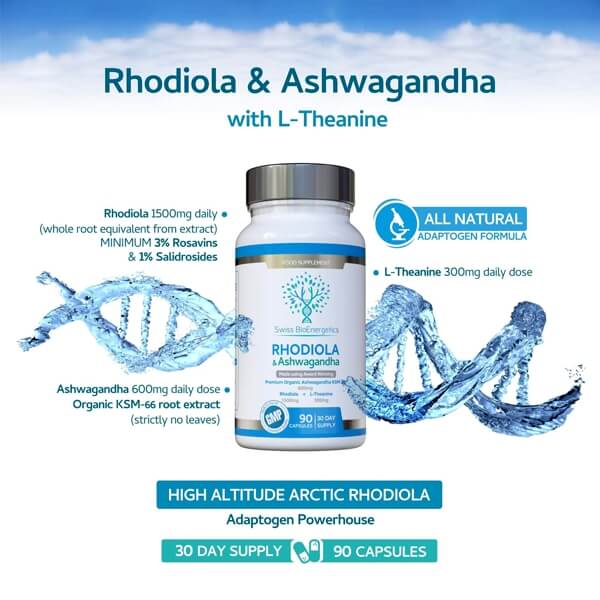
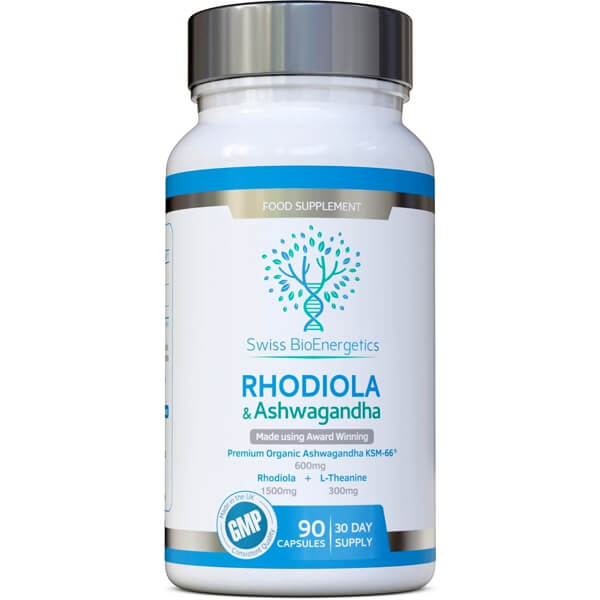
A commonly discussed combination, pairing rhodiola’s more energising qualities with ashwagandha’s calming properties for broader stress support — though bear in mind ashwagandha carries its own specific cautions, particularly around thyroid function, worth checking separately.
Vitamins & Minerals
Rhodiola + B Vitamins
B vitamins support normal energy metabolism and nervous system function, which some people find complements rhodiola’s studied effects on mental performance and stress resilience.
Rhodiola + Vitamin D
A practical pairing for UK winters specifically — vitamin D addresses a genuine, common deficiency directly, while rhodiola is studied separately for energy and stress-related support, as discussed above.
Building a Routine
A reasonable morning approach: take with breakfast, before 10am; if new to rhodiola, start around 200mg, and some people pair this with B vitamins. For pre-activity use, around 30 minutes beforehand, 300-400mg is a commonly used amount for performance-related use, for both cardio and strength training.
Worth avoiding: taking rhodiola after 2pm (risk of sleep interference), combining with excessive caffeine, or skipping doses inconsistently, which makes it harder to judge whether it’s working. Some people use rhodiola for 4-6 weeks, then take 1-2 weeks off, on the theory that this helps maintain responsiveness — this is based more on practitioner experience than strong clinical evidence, but is a reasonable, low-risk approach if you’d like to try it.
As with most supplements discussed on this site, rhodiola works best alongside — not instead of — regular exercise, stress management practices, and generally good nutrition.
Timeline for Results
Individual response varies, but a general pattern reported in research and practice: some people notice subtle effects (energy, mental clarity) within hours to days; stress-adaptation and mood-related effects tend to build over 1-3 weeks; and any broader benefits are generally best assessed after 3-4 weeks of consistent use. Patience and consistency tend to produce better results than expecting an immediate, dramatic effect.
Final Thoughts
UK winters genuinely affect energy, mood, and resilience differently for different people — some experience mild fatigue, others more significant seasonal changes that are worth discussing with a GP rather than self-managing indefinitely.
Rhodiola rosea has a reasonable research base for general stress adaptation and energy support specifically, though some of its more specific claimed benefits (depression, sexual function, hormonal balance) rest on considerably thinner evidence and deserve a more cautious read.
Start with a lower dose, take it consistently before 2pm, and give it 3-4 weeks before assessing whether it’s making a genuine difference. If you take antidepressant medication, have bipolar disorder, are pregnant, or take other regular medication, speak to your GP before starting.
Disclaimer: This article is for informational purposes only and does not constitute medical advice. Rhodiola is not a treatment for depression, seasonal affective disorder, or any other diagnosed condition. Always consult your GP before starting any supplement, particularly if you take medication for mood, mental health, or any other condition.