Korean Ginseng (Panax ginseng) has been used in Asian traditional medicine for centuries and has grown in popularity among UK residents interested in natural approaches to energy and stress resilience. This guide looks at what research actually supports, alongside what’s still traditional wisdom awaiting stronger evidence.
What Is Korean Ginseng?
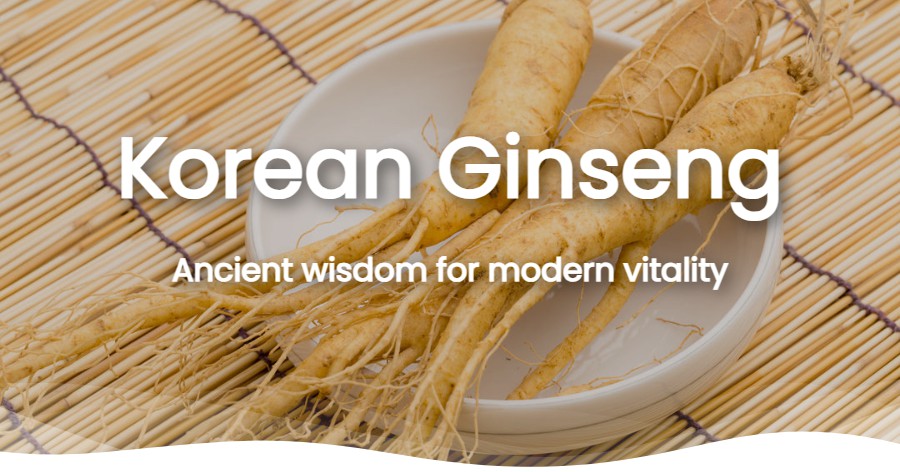
Korean Ginseng grows primarily in the mountainous regions of Korea, China, and Siberia, and is also known as Asian ginseng — distinct from American ginseng (Panax quinquefolius), which is generally considered to have somewhat different, milder effects. The plant typically needs at least six years of growth before harvesting, which contributes to its cost and, traditionally, its perceived potency.
The root contains compounds called ginsenosides, thought to be responsible for most of its studied effects. Korean Red Ginseng is produced through a specific steaming and drying process, generally considered the more concentrated, potent form.
What Research Explores
Energy and Fatigue
Ginseng is studied for a role in supporting energy through mechanisms different from caffeine — research explores effects on oxygen utilisation and oxidative stress in cells, rather than the direct stimulant effect caffeine provides. Some studies suggest this may help with the kind of gradual, cumulative fatigue many people notice during darker UK winter months, though individual response varies and this is a general research area rather than a guaranteed felt effect.
Cognitive Function
Some research has explored ginsenosides in relation to memory, concentration, and neuroprotection from oxidative damage — a genuinely interesting area, though it’s worth being appropriately cautious about specific institutional claims you might see repeated online, since not every citation attached to ginseng research holds up to scrutiny. The honest summary: this is a promising but still-developing area of cognitive research, with results that vary between studies, rather than an established memory-enhancing effect.
Immune-Related Research
The UK’s unpredictable weather is a common reason people look into immune support generally, and ginseng contains compounds studied for immune-modulating properties, including some research on natural killer cell activity and antibody production. As with similar immune-modulating herbs covered elsewhere on this site, this is a genuine area of research interest rather than a guarantee of fewer colds — and anyone with an autoimmune condition should check with their GP before use, given the immune-modulating mechanism involved.
Ginseng and Male-Specific Research
Reproductive Health
Some research, including studies in urology and andrology journals, has explored red Korean ginseng in relation to parameters associated with male reproductive function. This is a genuinely studied area, though results vary in size and consistency between trials, and it’s worth treating this as an area of research interest rather than an established fertility treatment — anyone with fertility concerns is better served starting with a GP or fertility specialist than self-directing treatment through supplementation.
Physical Performance
Some studies suggest ginseng may support endurance and reduce exercise-induced muscle damage, through mechanisms involving oxygen utilisation and lactate handling — interesting findings, though as with most single-study areas, larger trials would strengthen confidence in the size of any real-world effect for athletes and active individuals.
Ginseng and Female-Specific Research
Menopause-Related Research — An Important Clarification
Some research, including studies published in the journal Menopause, has explored ginseng supplementation in relation to menopausal symptoms like hot flushes and mood. It’s important to be direct about the current state of the evidence: results across studies are mixed, and herbal remedies for menopause symptoms generally — ginseng included — don’t currently have strong evidence behind them.
It’s worth being especially clear on one point: the NHS recommends HRT (hormone replacement therapy) as the most effective treatment for menopause symptoms for most people, and it’s important not to frame ginseng, or any herbal supplement, as an equivalent “natural alternative” to HRT. If you’re navigating menopause symptoms, the most useful first step is a conversation with your GP about the full range of options, including HRT — ginseng may be something to explore as an additional consideration afterward, not a substitute for that conversation.
Stress and Mood
Ginseng is studied for a general adaptogenic role in stress resilience, with some research suggesting effects on stress hormone regulation and general wellbeing. This is a reasonable area of interest, though — as with the sections above — individual response varies considerably, and persistent mood difficulties are worth discussing with a GP rather than addressed through supplementation alone.
Forms Available in the UK
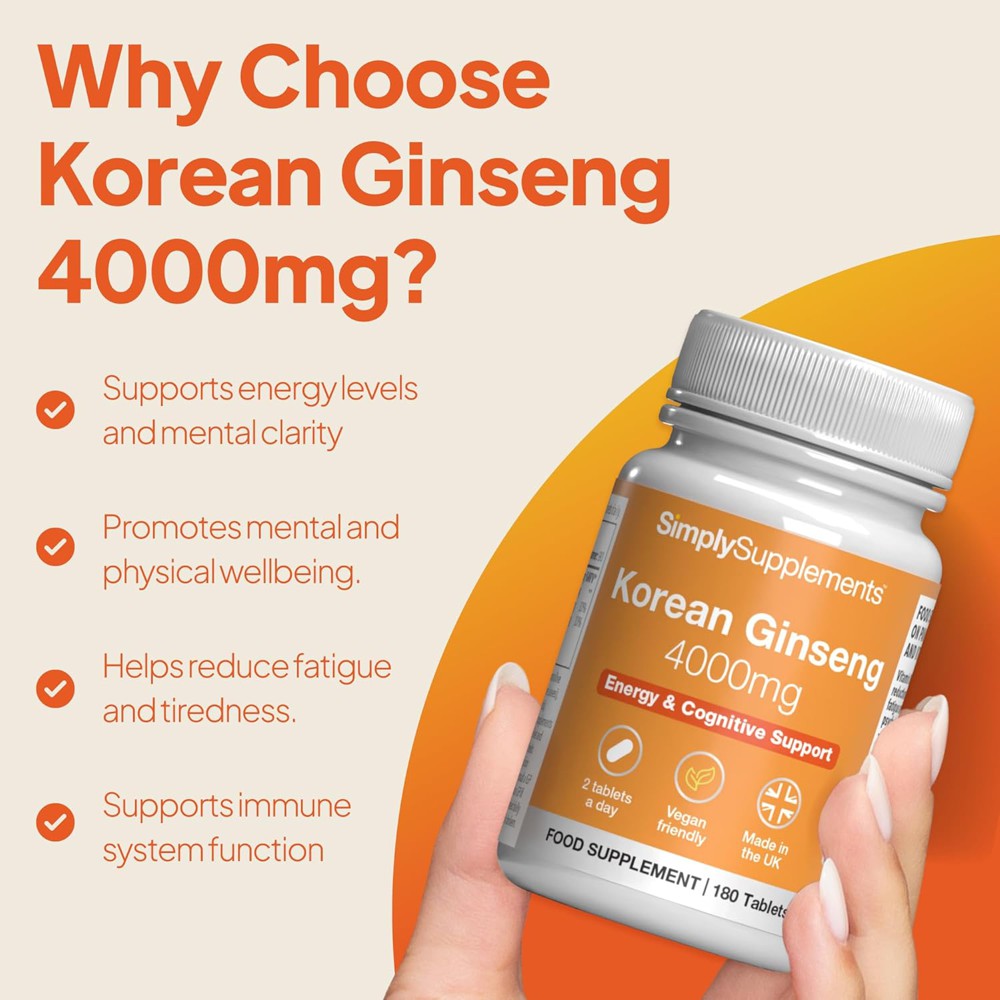
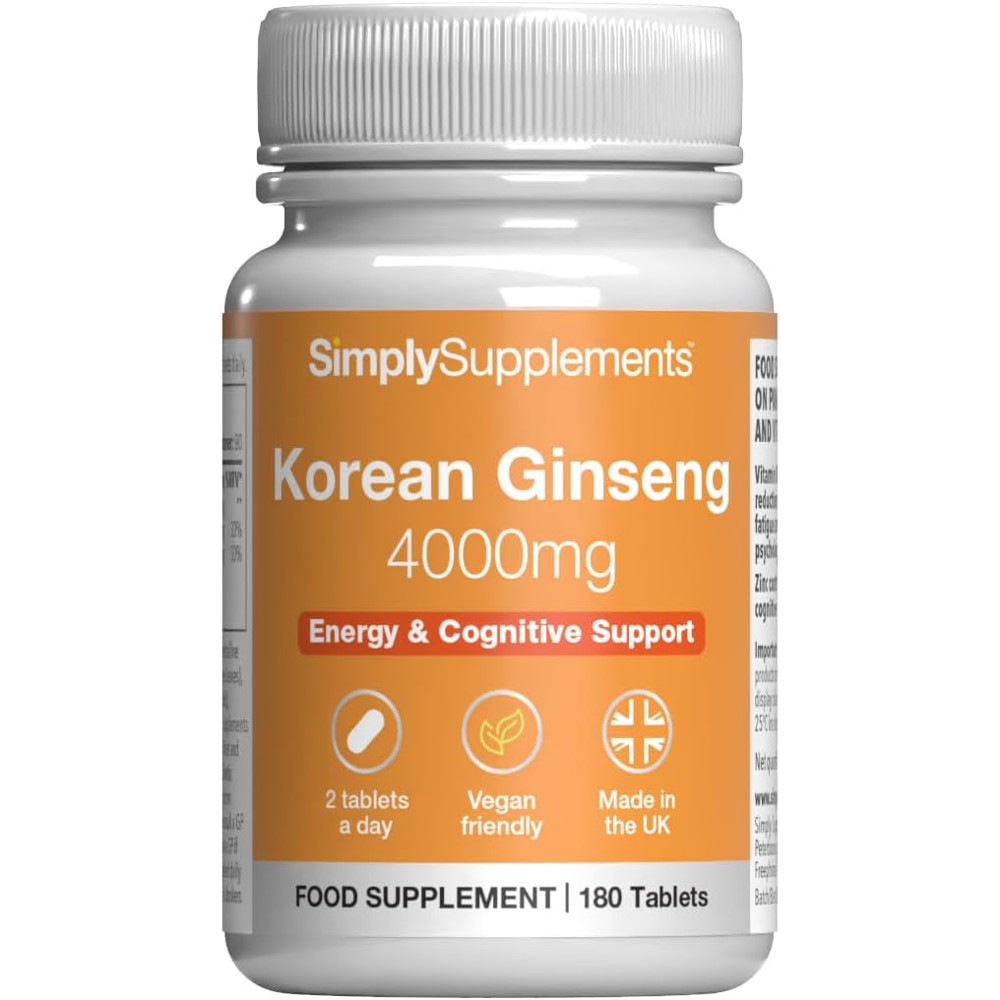
Capsules offer convenience and consistent dosing — look for products stating actual ginsenoside content, not just total root weight.
Ginseng tea provides a gentler dose and a pleasant ritual, sometimes used as an afternoon alternative to a caffeinated drink.
Red ginseng extract offers the most concentrated ginsenoside content and faster absorption, with a distinctive taste that can be mixed into water, juice, or smoothies.
Combining With Other Supplements
Ginseng is sometimes paired with B vitamins for general energy support, or with rhodiola for a broader adaptogenic stress-and-focus combination — both reasonable pairings in principle, though specific research on the combinations themselves (rather than each ingredient individually) remains limited.
Dosage and Usage
Commonly referenced doses are 200-400mg daily of a standardised extract containing 2-3% ginsenosides, generally taken with meals to reduce the chance of digestive discomfort. Some people cycle use — roughly 2-3 months on, followed by 2-4 weeks off — based more on traditional practice than strong clinical evidence either way, though it’s a reasonable, low-risk approach if you’d like to follow it.
Starting with a lower dose and increasing gradually is sensible, particularly for anyone new to ginseng.
Choosing a Quality Product
Look for third-party testing and clear labelling of actual ginsenoside content — this matters more than marketing language or claims about a specific named certification body, which vary in how verifiable they actually are. Reputable brands are generally transparent about sourcing and processing methods regardless of specific certifications claimed.
Side Effects and Precautions
Ginseng is generally well tolerated, though some people experience insomnia (particularly with later-in-the-day use) or mild digestive discomfort.
A few groups should be more cautious: those with high blood pressure or existing heart conditions, given ginseng’s studied cardiovascular effects; anyone with a hormone-sensitive condition, since some ginsenosides have mild oestrogen-like activity in laboratory research; and anyone with an autoimmune condition, given the immune-modulating properties covered above.
Ginseng may interact with blood-thinning medication, stimulants, and diabetes medication — always tell your GP or pharmacist about any supplements you’re taking alongside prescribed medication.
Final Thoughts
Korean Ginseng has a genuine traditional-use history and a reasonable, if mixed, body of modern research behind several of its studied effects — energy, cognitive function, and general stress resilience among the more researched areas. Some of the more specific claims, particularly around menopause and male reproductive health, rest on considerably thinner and more mixed evidence, and shouldn’t be read as an established alternative to appropriate medical care.
Whichever form you choose — capsules, tea, or red ginseng extract — consistency over several weeks is more informative than judging it after a single use, and a GP conversation is worthwhile if you take regular medication or manage a health condition, particularly a hormone-sensitive or cardiovascular one.
Disclaimer: This article is for informational purposes only and does not constitute medical advice. Korean Ginseng is not an alternative to HRT or other prescribed treatment for menopause symptoms. Always consult your GP before starting ginseng, particularly if you take blood-thinning or diabetes medication, or have a hormone-sensitive or cardiovascular condition.