BCAA, CLA, L-arginine, taurine, glutamine, and NAC all get filed under “amino acids” in supplement shops, but they’re bought for very different reasons — muscle recovery, fat loss, blood flow, calm energy, gut health, antioxidant support. They deserve individual attention rather than a single verdict, and one of them in particular has a safety finding worth knowing before you buy.
BCAA — Why the Ratio Isn’t the Whole Story
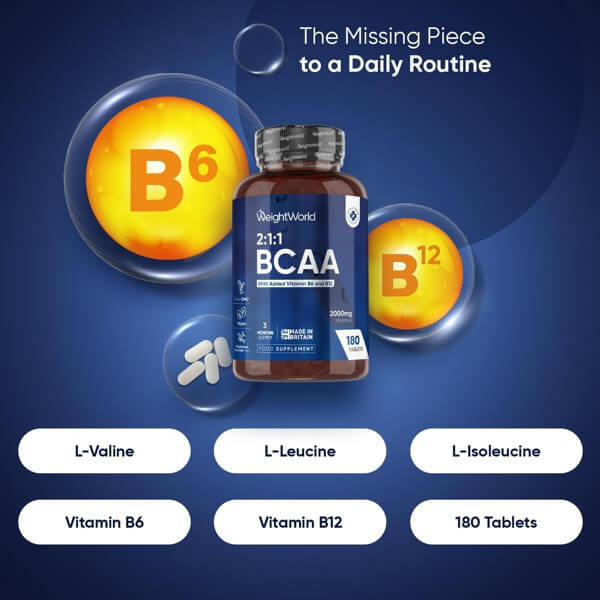
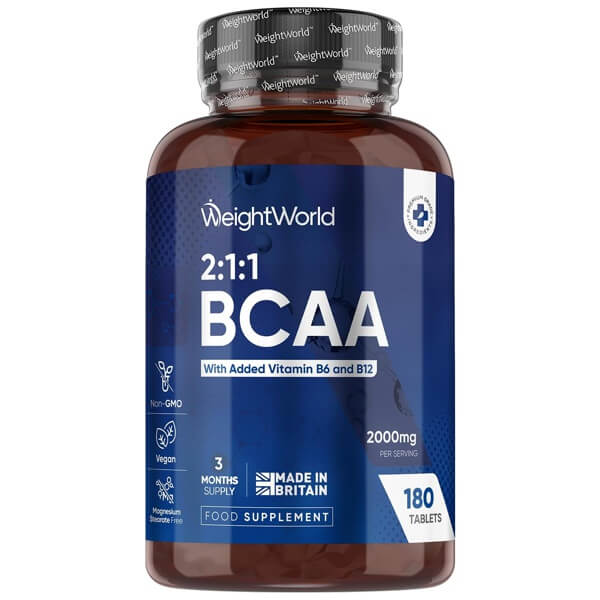
Branched-chain amino acids (leucine, isoleucine, and valine) are marketed heavily for muscle recovery, usually in a 2:1:1 ratio, as in the product covered here.
The science has moved on in an important way worth knowing: leucine specifically triggers the start of muscle protein synthesis, but BCAAs alone don’t provide the complete set of amino acids needed to sustain it. Muscle protein synthesis requires all nine essential amino acids, not just the three found in BCAAs — meaning a complete protein source (whey, meat, eggs, or a complete plant-protein blend) does the job more fully than BCAAs alone. If you’re already eating adequate protein day to day, BCAAs on top of that add relatively little; they’re more relevant as a convenient option during fasted training or when a complete protein source isn’t practical, than as a replacement for one.
Amino Acids
CLA — Mixed Evidence and an Unspecified Ratio
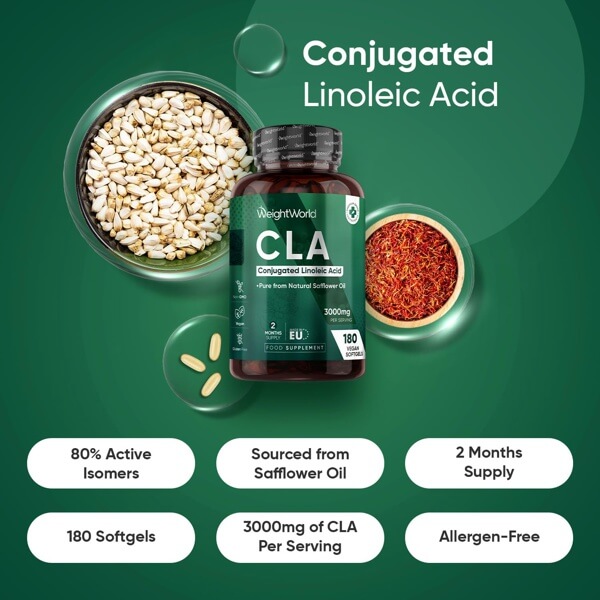
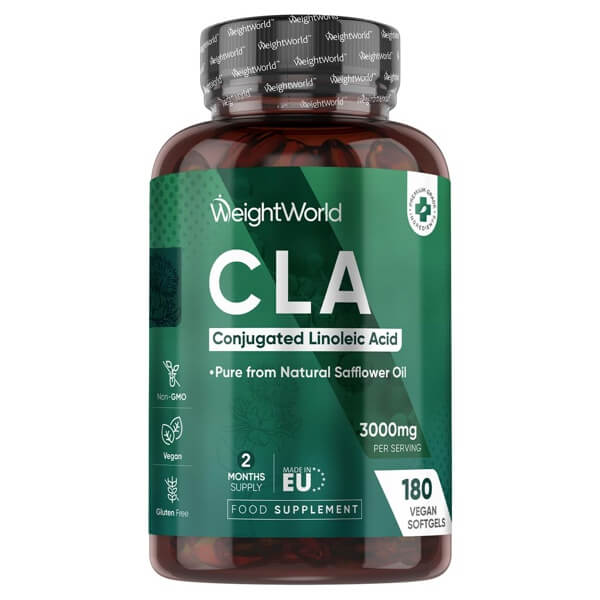
Conjugated linoleic acid (CLA) is widely marketed for fat loss, usually sourced from safflower oil, as in the product covered here.
The research on CLA for weight management is genuinely inconsistent — some trials show a small effect on body fat, others show none, and the overall picture doesn’t support strong claims either way. There’s also a detail worth checking on any CLA product: commercial CLA typically contains a roughly even mix of two isomers (c9,t11 and t10,c12), which behave somewhat differently in the body, and most labels — including this one — don’t specify the exact ratio. Without knowing the isomer split, it’s hard to know exactly what effect to expect, which is worth factoring into how much you expect from this particular ingredient.
Amino Acids
L-Arginine — A Real Cardiac Safety Signal
This is the most important section in this article, and worth reading in full even if you’re only browsing the rest.
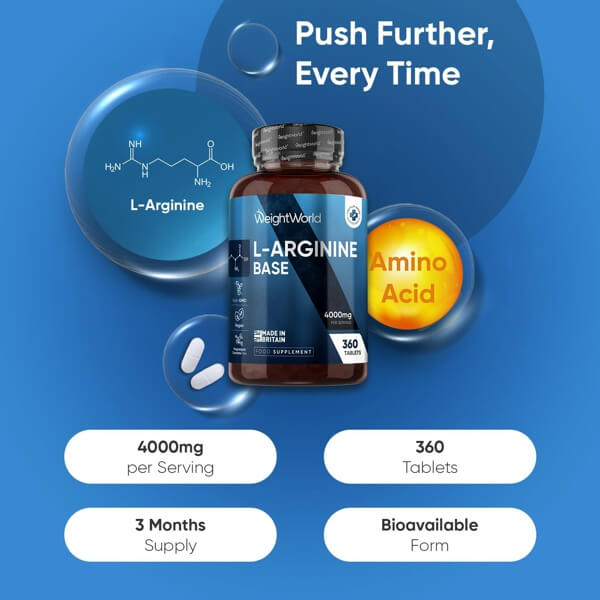
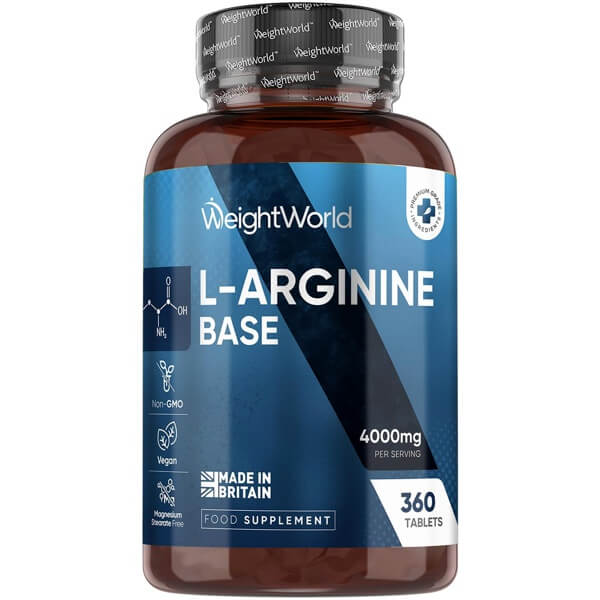
L-arginine is a precursor to nitric oxide, which relaxes blood vessels, and it’s marketed for blood flow, blood pressure, and exercise performance. A randomised, double-blind, placebo-controlled trial — the VINTAGE MI study, run at Johns Hopkins and published in JAMA — found a genuinely concerning result. The trial gave 153 patients who had recently had a first heart attack either L-arginine (9g daily) or a placebo for six months. L-arginine didn’t improve any of the measures the trial was designed to test, and six patients in the L-arginine group died during the study period, compared with zero deaths in the placebo group — a difference serious enough that the trial’s safety monitoring committee closed enrolment early. You can read the full study on JAMA Network.
The clearest, most direct takeaway: L-arginine supplementation is not recommended for anyone who has had a heart attack recently, and this population should avoid it specifically. Beyond that trial, L-arginine also lowers blood pressure by a measurable amount on its own, which means combining it with blood pressure medication can cause an additive drop, and it should not be combined with nitrate medication given the shared mechanism. If you have a history of cold sores or genital herpes, it’s worth discussing with your GP first, since arginine may support herpes virus replication. Pregnant women should avoid it without medical guidance.
Amino Acids
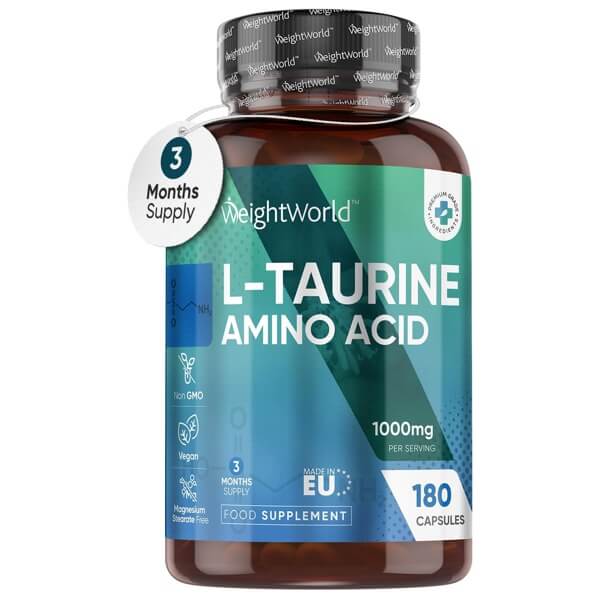
L-Taurine — Energy Without Stimulants, and a Lithium Interaction
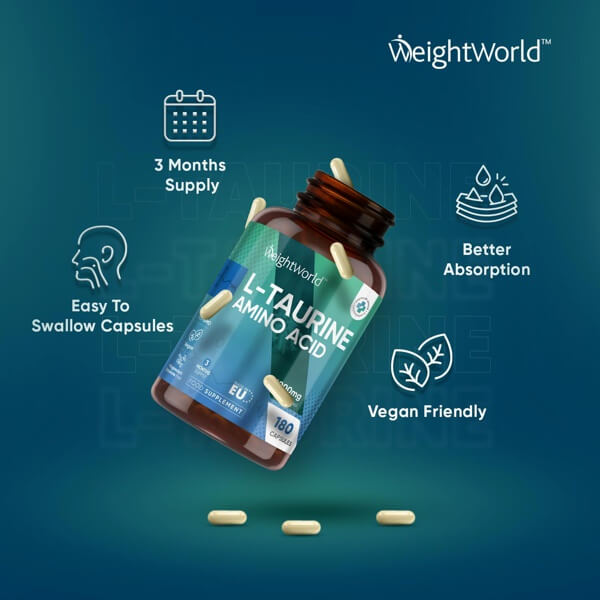
Taurine is naturally present in the body and in foods like meat and fish, and it’s often marketed for “energy” — worth clarifying upfront that this doesn’t mean a stimulant effect like caffeine. Taurine doesn’t work through the same pathway, and shouldn’t be expected to feel the same way.
The interaction worth knowing about specifically: taurine may reduce how quickly the body clears lithium, a medication used for bipolar disorder, potentially raising lithium levels in the blood. If you take lithium, this needs a conversation with your prescribing doctor before adding taurine, rather than assuming a “natural” amino acid is automatically fine alongside it. Taurine can also add to the effect of blood pressure medication, similar to the caution above for L-arginine.
Amino Acids
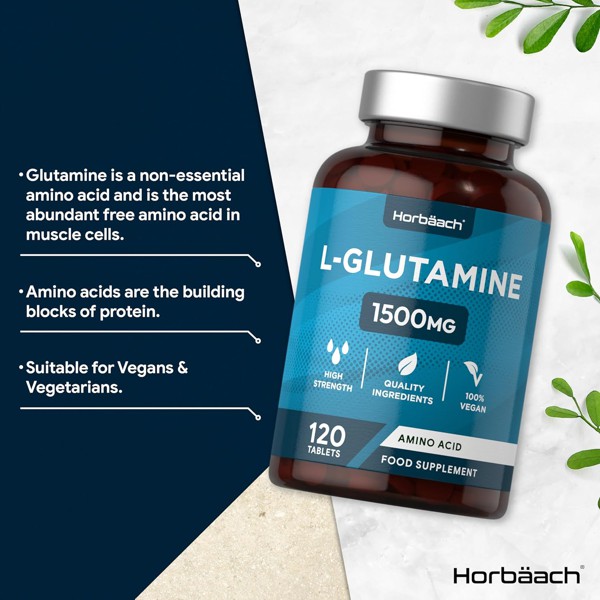
L-Glutamine — Recovery, Gut Health, and the Safety Notes Most Labels Skip
Glutamine is the most abundant amino acid in the body and is studied for a role in exercise recovery and intestinal lining integrity, which is the basis for most glutamine marketing.
A few genuine safety considerations are worth knowing that don’t typically appear on general product labels. If you have a seizure disorder, glutamine is worth discussing with your GP first, since it’s a precursor to glutamate, an excitatory neurotransmitter. The same caution applies if you’re sensitive to MSG (monosodium glutamate), given the related chemistry. Most importantly, anyone with liver disease should be cautious with glutamine specifically, since it’s broken down into ammonia, and impaired liver function can mean ammonia isn’t cleared as efficiently — relevant to conditions like hepatic encephalopathy.
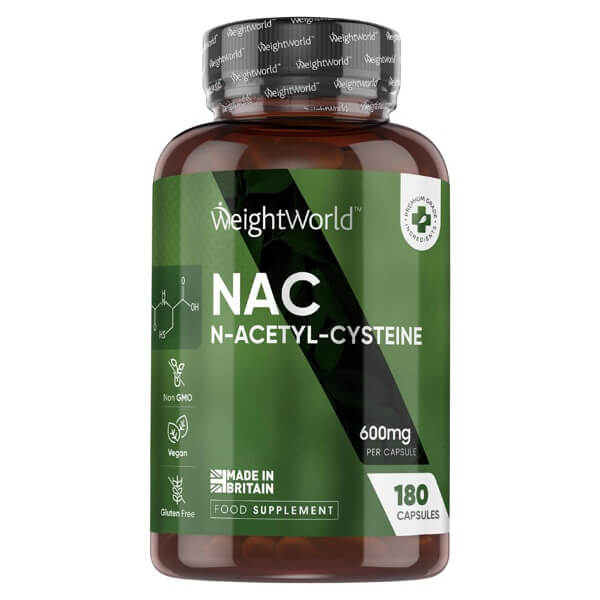
NAC — A Glutathione Precursor With a Genuine Medication Interaction
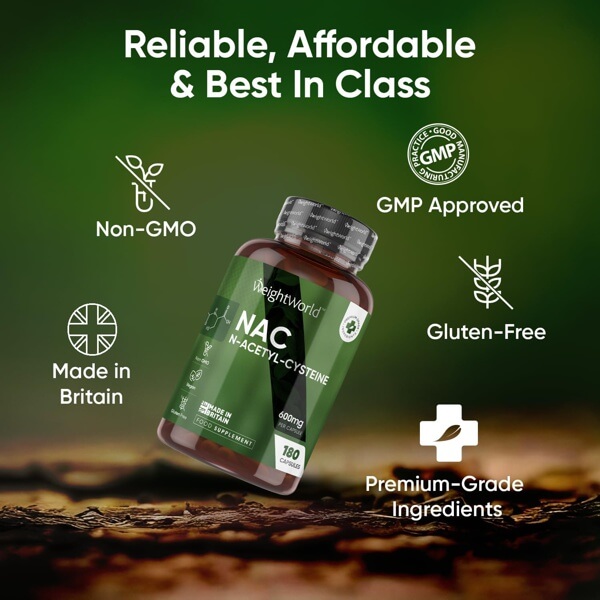
N-acetyl-cysteine (NAC) is a precursor to glutathione, one of the body’s main antioxidant compounds, and is genuinely well studied — it’s even used in hospitals, in a different form, to treat paracetamol overdose.
The interaction worth flagging clearly: NAC combined with nitroglycerin (a medication for angina) can cause severe hypotension and intense headaches — this is classified as a major drug interaction in clinical references, based on multiple documented cases. If you take nitroglycerin in any form, this combination should be avoided or only used under direct medical supervision. NAC also has a mild effect on reducing platelet aggregation, so it’s worth stopping at least a week or two before any planned surgery, and mentioning it if you take blood-thinning medication.
Amino Acids
Choosing What You Actually Need
It’s worth resisting the pull to buy all six because they’re all “amino acids.” Each one addresses a genuinely different goal: BCAA and glutamine relate mainly to training recovery, CLA to fat loss (with modest, inconsistent evidence), L-arginine and taurine to blood flow and cardiovascular markers (with real caution attached to both), and NAC to antioxidant support. Choosing based on your specific goal, rather than stacking several at once, is the more sensible approach — and reduces the number of interaction risks you need to track at the same time.
Common Myths, Addressed
“BCAAs are just as good as a complete protein for muscle growth.” Not quite — BCAAs trigger the start of muscle protein synthesis, but sustaining it needs all nine essential amino acids, which only a complete protein source provides.
“If a supplement is a natural amino acid, it can’t seriously interact with medication.” L-arginine’s cardiac safety signal, taurine’s lithium interaction, and NAC’s nitroglycerin interaction are all genuine, documented exceptions to this assumption.
Final Thoughts
These six amino acids don’t deserve a single, uniform verdict. BCAA and glutamine are reasonably safe for most people, with modest, specific benefits mainly around training recovery. CLA’s fat-loss evidence is too mixed to expect much from it reliably. Taurine and NAC are generally well tolerated but carry specific, documented medication interactions worth checking against your own situation. L-arginine is the one to treat with real caution — the VINTAGE MI trial’s findings are serious enough that anyone with a recent heart attack should avoid it, and anyone on blood pressure medication should check with their GP first.
Disclaimer: This article is for informational purposes only and does not constitute medical advice. Always consult your GP before starting any amino acid supplement, particularly if you have had a recent heart attack, take lithium, nitroglycerin, or blood pressure medication, have a seizure disorder or liver disease, are pregnant, or are breastfeeding.