
For most of its history, creatine had a fairly narrow reputation: a bodybuilding supplement, mostly used by men chasing muscle mass. That’s changed fast. In 2026, creatine is one of the most talked-about supplements in the UK, with a wave of interest specifically among women, and — refreshingly, for this category — it’s one of the few ingredients we cover with genuinely strong, officially authorised evidence behind it.
What Is Creatine?
Creatine is a compound your body produces naturally in the liver and kidneys, stored mainly in muscle tissue, with smaller amounts found in the brain. It’s also present in foods like red meat and fish. Its main job is helping regenerate ATP — the energy currency your cells rely on during short, intense bursts of activity, like a heavy lift or a sprint.
What Research Actually Supports
Creatine stands apart from most supplements on this site because it has not one but two officially authorised EFSA health claims — a genuinely rare position for a sports supplement.
The Core Authorised Claim
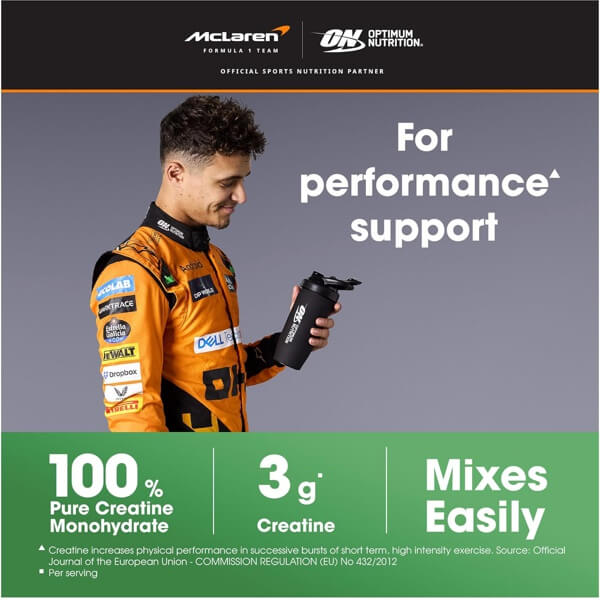
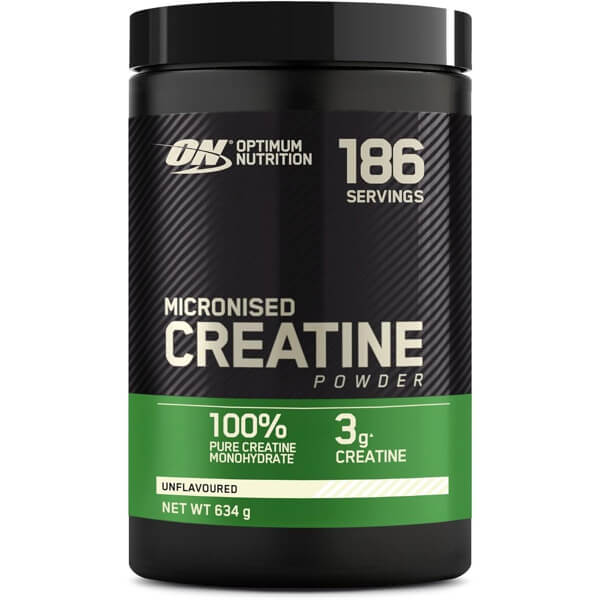
“Creatine increases physical performance in successive bursts of short-term, high intensity exercise” — authorised at a daily intake of 3g, for adults performing high-intensity exercise, based on EFSA’s original scientific opinion. This is the exact dose in the product we cover below, and it’s the claim with the deepest evidence base behind it: a large body of human intervention studies and multiple meta-analyses, covering men and women of different ages and training levels, sit behind this specific wording.
A Second, More Specific Claim
A separate EFSA opinion, reached in 2016, found evidence for creatine (3g daily) combined with resistance training at least three times a week improving muscle strength specifically in adults over 55. Worth noting: the same effect wasn’t seen when creatine was taken only on training days rather than daily, so consistency of intake appears to matter for this particular outcome.
Creatine for Women — Why 2026 Is Different
The current wave of interest isn’t just marketing momentum. Research has found that women naturally have significantly lower creatine stores than men — around 70-80% lower, according to research published in the Journal of the International Society of Sports Nutrition — which makes supplementation arguably more relevant for women, not less, despite creatine’s historically male-coded marketing. Multiple studies show creatine improving strength and exercise performance in women during resistance training, and there’s particular research interest in creatine’s relevance around menopause specifically, given the muscle and bone changes that occur during this life stage. The effect size in women isn’t always as dramatic as in men, partly due to those lower baseline stores, but the direction of the research is consistently positive. If bone health and muscle maintenance through midlife are a priority for you, our supplements for women over 40 guide covers the wider picture alongside creatine specifically.
The Cognitive Function Question
Worth addressing honestly, since it’s a growing part of creatine’s current marketing: EFSA has specifically evaluated and rejected a claim relating creatine to improved cognitive function, most recently reassessed in 2024. Some research has explored creatine’s role in brain energy metabolism and its potential relevance to conditions affecting cognition, and it’s a genuinely active research area — but “creatine improves your memory or focus” is not a claim the current evidence has established well enough to be authorised. Worth reading brain-health framing around creatine with real caution, distinct from the genuinely well-supported physical performance claim above.
Amino Acids
Getting the Dose Right
The authorised claim is based on 3g daily, taken consistently — this is the sensible default for most people, rather than the higher “loading phase” doses (typically 20g daily for 5-7 days) sometimes recommended to saturate muscle creatine stores faster. A loading phase isn’t necessary; it simply reaches the same saturation point sooner, at the cost of a higher initial dose. Taking creatine consistently, any time of day, and with a source of carbohydrate or protein, is a reasonable, low-fuss approach.
Safety Considerations
Creatine is one of the most researched sports supplements available, with a strong long-term safety record in healthy adults at standard doses. A persistent myth is worth addressing directly: creatine does not damage healthy kidneys. It does raise blood creatinine slightly — a normal, expected result of how creatine is metabolised — which can look concerning on a standard kidney function test if the person interpreting it isn’t aware you’re supplementing, but this isn’t the same as actual kidney damage in people with healthy kidney function. If you have pre-existing kidney disease, it’s still worth discussing creatine with your GP first, since the research in that specific population is more limited. Adequate water intake is sensible while supplementing, and mild initial water retention in muscle tissue (not bloating) is a normal, expected part of how creatine works, not a side effect to be concerned about.
Common Myths, Addressed
“Creatine damages your kidneys.” Not in people with healthy kidney function — this is one of the most persistent myths in sports nutrition, and it isn’t supported by the long-term research available.
“Creatine is only for men, or only for bodybuilders.” The opposite is closer to true given women’s naturally lower baseline stores — and the authorised EFSA claim applies to adults broadly, not to any specific gender or training goal.
“Creatine causes bloating.” The water retention creatine causes is inside muscle cells, not the kind of digestive bloating people typically mean by this — it’s a normal, functional part of the mechanism, not a side effect to avoid.
Final Thoughts
Creatine is a rare case on this site: a supplement whose core, most-marketed benefit is backed by genuinely strong, officially authorised evidence, rather than research that overstates what’s actually been shown. The 2026 surge of interest among women is grounded in real physiology, not just trend-chasing. Where the current wave of enthusiasm does get ahead of the evidence is cognitive function — a genuinely interesting research area, but not yet an established benefit. For physical performance during high-intensity exercise, creatine remains one of the most evidence-backed supplements available.
Disclaimer: This article is for informational purposes only and does not constitute medical advice. Always consult your GP before starting creatine, particularly if you have existing kidney disease, are pregnant, breastfeeding, or take regular prescription medication.