NAD+ precursors, PQQ, and spermidine turn up constantly in the same “cellular health” and longevity supplement ranges, often marketed as if they’re interchangeable pieces of the same anti-ageing puzzle. They’re not. Each works through a genuinely different mechanism, and — this is the part most listings skip — each has a very different quality of evidence behind it, and in one case, a very different level of confidence we can actually offer about the specific product on sale. Here’s an honest look at all three.
NAD+ Precursors — NMN, NR, and the Product You’ll Actually Find
NAD+ (nicotinamide adenine dinucleotide) is a molecule every cell needs for energy production and DNA repair, and levels genuinely decline with age — this part is well established. The interest in “NAD+ boosters” comes from supplementing with precursor molecules the body converts into NAD+, since NAD+ itself isn’t well absorbed directly.
NMN, NR, and NMNH Are Not the Same Thing
This matters more than most marketing suggests. Nicotinamide riboside (NR) is currently the only NAD+ precursor authorised as a novel food in Great Britain, at a maximum daily intake of 300mg for adults. Nicotinamide mononucleotide (NMN) is not authorised as a novel food in the UK or EU — though as of mid-2026, β-NMN received a favourable safety opinion from EFSA, a genuine step toward eventual approval, even though it isn’t approved yet. No health claims are currently authorised for NAD+ supplements in Great Britain, for any of these forms.
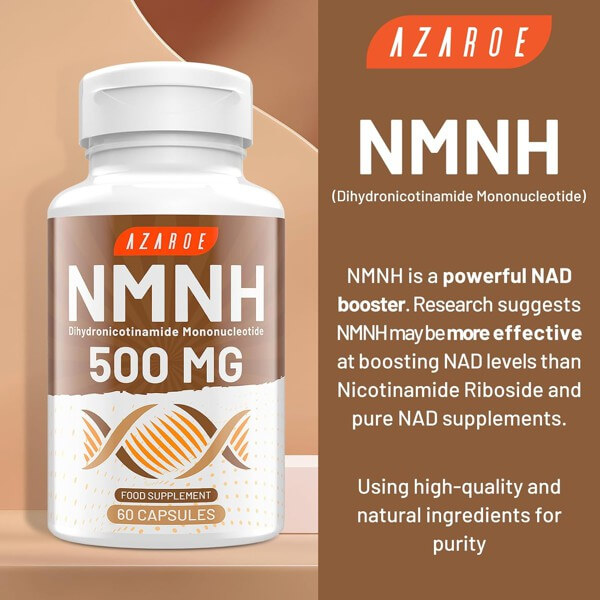
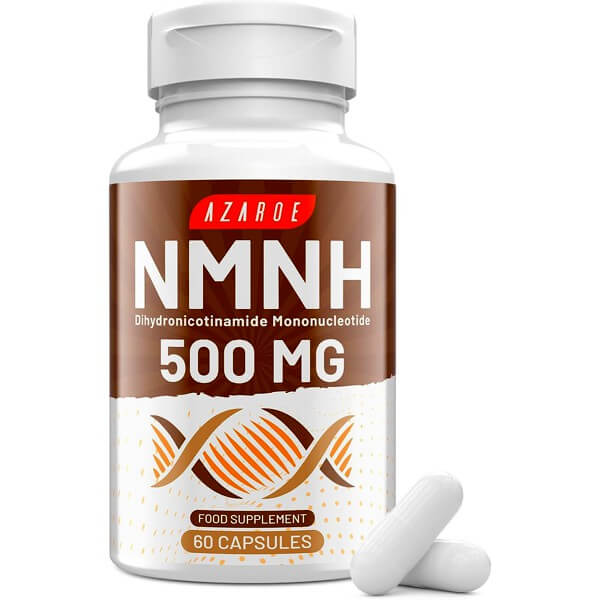
The product we’re covering here, however, is marketed as containing NMNH — dihydronicotinamide mononucleotide, a compound related to but distinct from both NMN and NR. NMNH has a considerably smaller research base than either of the more established precursors, and we want to be upfront: we were unable to locate a clear ingredient panel, certificate of analysis, or independent verification of what this specific product actually contains beyond the manufacturer’s own marketing materials. We also can’t confirm where NMNH itself sits in relation to the NMN/NR regulatory picture described above — it’s a genuinely different compound, and the regulatory clarity that exists for NR doesn’t automatically extend to it.
If you’re specifically interested in this product, we’d encourage contacting the manufacturer directly for a full ingredient panel and any available safety documentation before buying, and speaking to your GP first — this is a case where we can’t currently offer the same level of confidence we can for better-established supplements in this category. Our longevity supplements guide covers the broader NMN/NR regulatory landscape in more detail.
Immunity & Antioxidants
PQQ — The Best-Evidenced of the Three
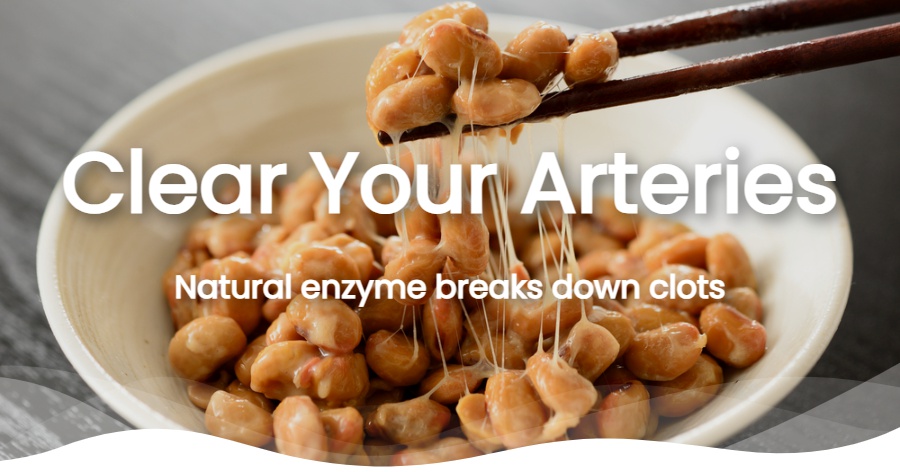
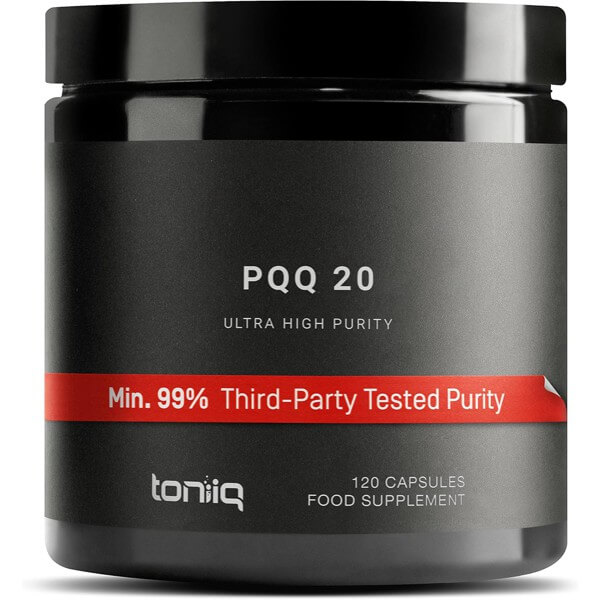
Pyrroloquinoline quinone (PQQ) is a naturally occurring redox cofactor found in foods including kiwi, natto, and green peppers, and it’s genuinely the strongest evidence base of the three compounds covered in this article.
Where the Evidence Is Real
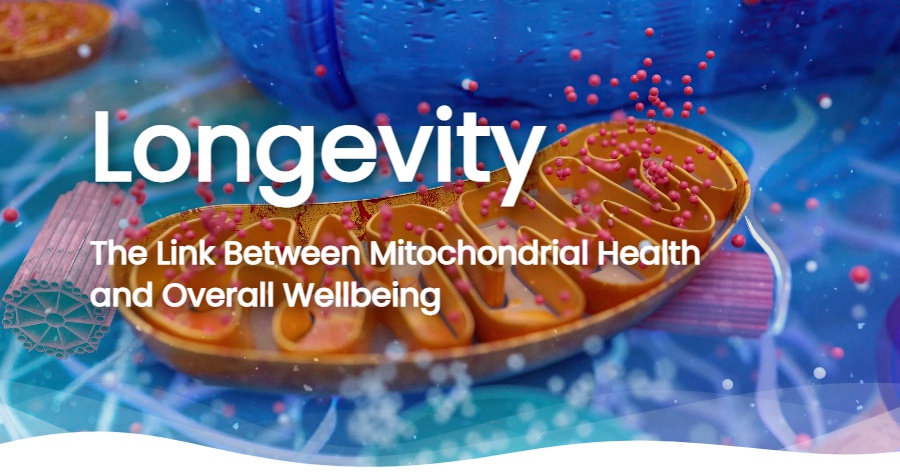
PQQ’s clearest research area is cognitive function: several human trials — including studies specifically testing working memory, attention, and processing speed using measures like the Stroop test — have found meaningful improvements, with the clearest benefits reported in adults over 45. This is a genuine, if still-developing, human evidence base, more substantial than most supplements in this general category. PQQ’s role in mitochondrial biogenesis — stimulating the creation of new mitochondria — is a real, actively researched mechanism, covered in more detail in our mitochondrial health guide, though most of this specific research remains at the cellular and animal level rather than confirmed in large human trials.
Where a Claim Goes Too Far
It’s worth correcting a claim seen on some PQQ products: there’s no human research supporting PQQ for hormonal or testosterone-related benefits. The closest available research is a study in rats examining PQQ’s protective effect on testicular tissue during an induced injury model — a narrow, specific finding about tissue protection under acute stress, not evidence of a testosterone or fertility benefit in generally healthy people. Worth reading any testosterone-related PQQ claim with real scepticism.
PQQ has a good safety profile in the available research, with no significant toxicity reported even at higher supplemental doses, and mild digestive discomfort being the main reported side effect.
Immunity & Antioxidants
Spermidine — Autophagy, Animal Data, and a Regulatory Nuance
Spermidine is a naturally occurring polyamine studied for its role in autophagy — the body’s process for clearing out damaged cellular components. Tissue spermidine levels genuinely decline with age in both animal models and humans, which is a well-documented starting point for the research interest.
What the Evidence Actually Shows
It’s important to be precise about what comes after that starting point. Studies showing spermidine extends lifespan come specifically from animal ageing models and mice — not human trials. In humans, higher natural spermidine levels are associated with markers of healthy ageing in observational research, which is a genuinely interesting correlation, but meaningfully different from proven life-extension, and not a guarantee that supplementing reproduces what’s been seen in animal studies.
A Regulatory Nuance Worth Knowing
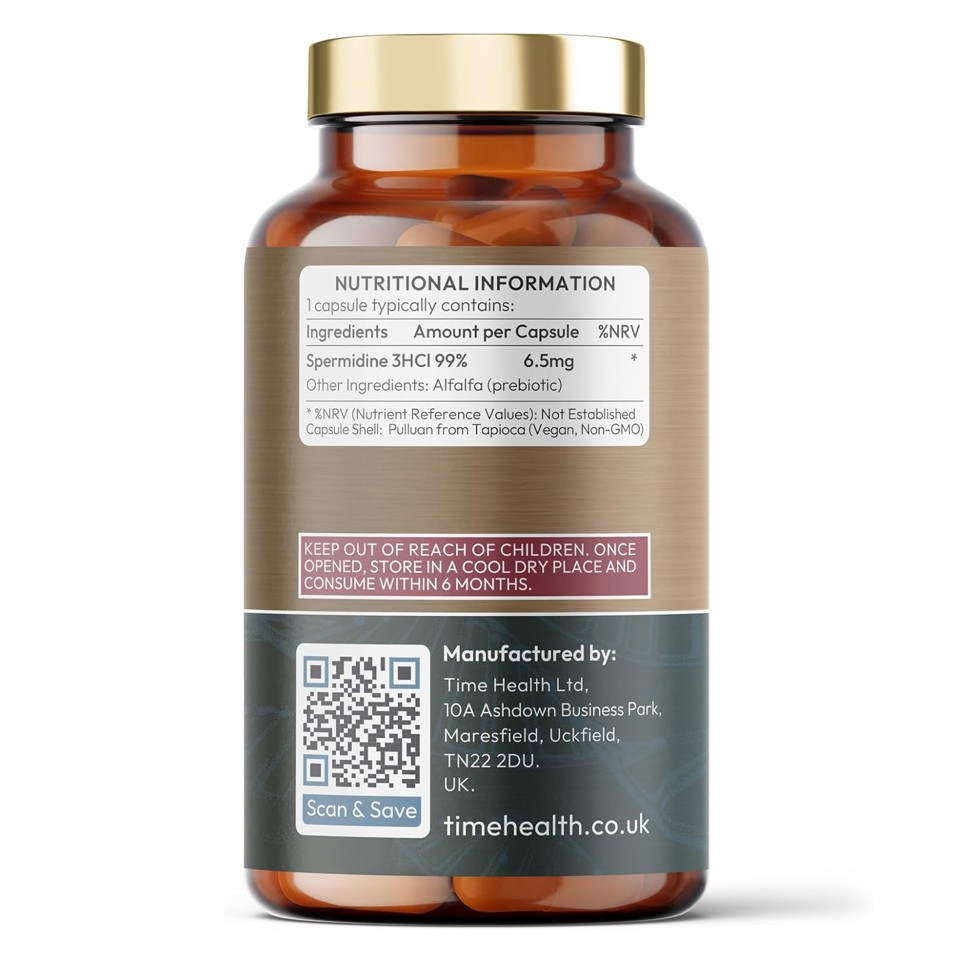
Here’s a detail that’s easy to miss: a specific, standardised ingredient — “spermidine-rich wheat germ extract” — is authorised as a novel food in the EU under Commission Implementing Regulation (EU) 2020/443, at a defined spermidine content and a maximum daily intake of 6mg. That authorisation is specific to that particular standardised wheat germ extract, not to spermidine supplementation generally. Products using synthetic spermidine (as spermidine trihydrochloride, the form used in the product covered here) are a different ingredient category, and we can’t confirm whether — or how — that specific authorisation applies to this product. No EFSA health claims are currently authorised for spermidine in either form.
This doesn’t mean the product can’t legally be sold — but it’s a genuinely evolving regulatory picture worth being aware of as a buyer, and our longevity supplements guide covers the wider context.

Vitamins & Minerals
How Confident Should You Be?
Since these three get marketed together so often, it’s worth being direct about how differently confident we can actually be about each:
PQQ has the strongest human evidence of the three, specifically for cognitive function in adults over 45, and a good general safety record.
NR (nicotinamide riboside) has clear novel food authorisation in Great Britain with a defined safe dose, even though no specific health claims are authorised. NMN is regulatorily less settled but moving toward possible approval. The NMNH product covered here sits well behind both, with a smaller research base and verification questions we couldn’t resolve ourselves.
Spermidine has a well-documented mechanism and a genuinely interesting human correlation, but the strongest lifespan claims remain animal-only, and the regulatory picture for the synthetic form differs from the one specific authorised ingredient.
None of this means any of these are unsafe for most healthy adults at sensible doses — it means they deserve different levels of trust, not the uniform “cutting-edge longevity” framing they’re often sold with.
Safety Considerations
Across all three, the same general cautions apply: this is an early-stage evidence area for long-term human safety data, so speaking to your GP before starting any of them is a sensible step, particularly if you’re pregnant, breastfeeding, or take regular prescription medication.
Common Myths, Addressed
“If it’s for sale online in the UK, it must be authorised and legal.” Not necessarily. Regulatory enforcement of novel food rules varies, and a product being available for purchase doesn’t confirm its specific ingredient form has cleared the relevant authorisation.
“NMN, NR, and NMNH are basically the same ingredient with different names.” They’re related but genuinely distinct compounds, with different research bases and different regulatory status — worth checking which one is actually in the bottle rather than assuming they’re interchangeable.
Final Thoughts
NAD+ precursors, PQQ, and spermidine are frequently sold as a matched set of “next generation” longevity supplements, but they don’t deserve equal trust. PQQ has the most solid human research behind it. NR has regulatory clarity that NMN and NMNH don’t yet share. Spermidine has a compelling mechanism but mostly animal-level lifespan evidence, plus a regulatory nuance worth understanding before you buy. If you’re considering any of these, it’s worth choosing based on the specific evidence and regulatory status of that specific compound and product — not the general “cellular health” framing they’re often bundled under.
Disclaimer: This article is for informational purposes only and does not constitute medical advice. Always consult your GP before starting NAD+ precursors, PQQ, or spermidine supplements, particularly if you are pregnant, breastfeeding, or take regular prescription medication.