Your kidneys filter approximately 180 litres of blood daily, producing around 1.5 litres of urine. These bean-shaped organs perform essential functions: removing waste products, balancing electrolytes (sodium and potassium), regulating blood pressure, activating vitamin D for bone health, and producing hormones that stimulate red blood cell production.
When kidney or urinary tract function faces challenges — from diet, lifestyle factors, or health conditions — various issues can arise, including kidney stones, urinary tract infections, or reduced filtration capacity.
IMPORTANT MEDICAL NOTICE
People with chronic kidney disease should consult their nephrologist or GP before taking any supplement discussed here. Some supplements can accumulate in the body when kidney function is impaired, which can cause harm. This article focuses on what research says for people with otherwise healthy kidneys — it is not guidance for managing or treating diagnosed kidney disease.
Common Urinary System Concerns
Urinary tract infections (UTIs) are bacterial infections affecting the bladder and urethra, and women face higher risk — nearly half experience at least one UTI in their lifetime. Kidney stones are hard mineral deposits that form when urine becomes concentrated, with the NHS estimating that 1 in 10 people develop them. Diabetes, high blood pressure, and certain medications can affect kidney performance over time and reduce kidney function — this is a medical matter for your GP to monitor, not something a supplement addresses. And inefficient fluid removal can lead to swelling in ankles, feet, and legs, worth mentioning to your GP if persistent.
What Research Says About Supplements for Urinary Health
Proper hydration and balanced nutrition form the foundation. Below is what current research explores regarding a few specific ingredients — none of these are established medical treatments.
D-Mannose
D-Mannose is a simple sugar found naturally in some fruits. Unlike antibiotics, D-Mannose is studied for a different mechanism: helping prevent bacteria from adhering to urinary tract walls, rather than killing bacteria directly.

Fruit & Berry Extracts
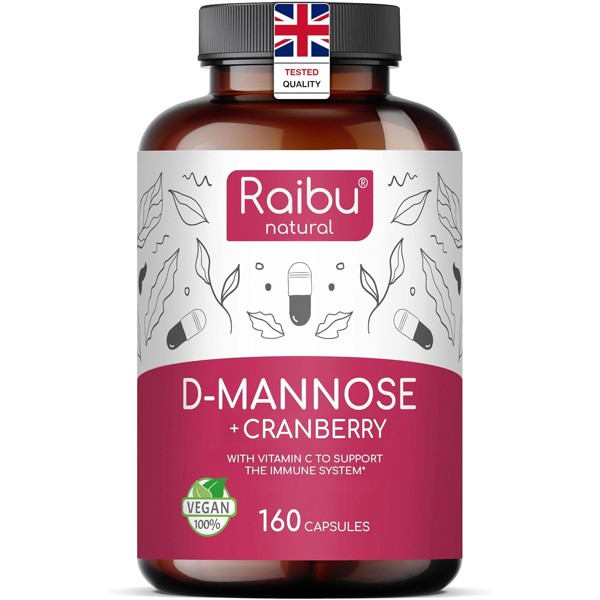
D-Mannose 2100mg Complex with Cranberry & Vitamin C 160 Capsules
Some research suggests D-Mannose may reduce bacterial adhesion in the bladder and urinary tract lining, potentially aiding removal through urine. This is why it’s sometimes discussed as an option for recurring UTIs — but it’s an area of ongoing study, not a substitute for medical treatment of an active infection. E. coli bacteria (responsible for most UTIs) may bind to D-Mannose instead of urinary tract walls, which could allow the body to flush them out more easily; around 2000mg daily has been used in research, though it’s worth discussing the right amount for you with a pharmacist or GP, particularly if UTIs are recurring rather than occasional.
Cranberry Extract
Cranberries contain proanthocyanidins (PACs), compounds studied for a similar reason — a possible role in reducing bacterial attachment to the urinary tract lining.
Fruit & Berry Extracts
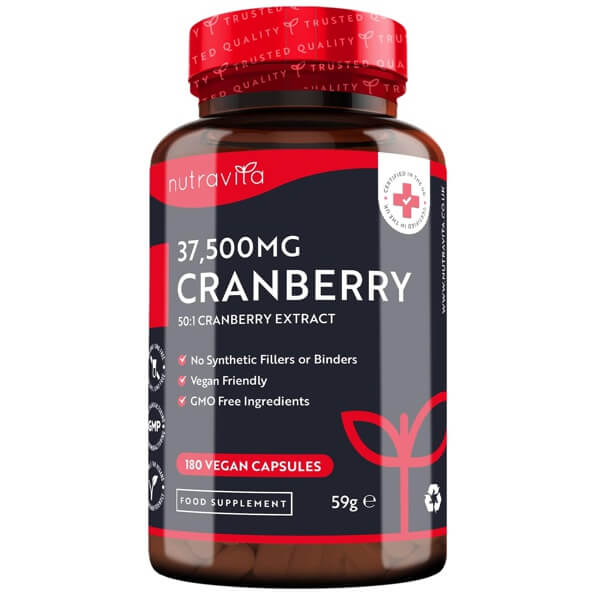
Cranberry Max Strength by Nutravita provides concentrated extract equivalent to 37.5g of fresh cranberries per capsule — this format avoids the high sugar content of cranberry juice, which can feed bacteria and raise blood sugar. Several studies have looked at cranberry’s role in reducing UTI recurrence, particularly for women with frequent infections, though results vary between studies and cranberry is not a treatment for an active infection.
Nettle Leaf
Stinging nettle has a long history of traditional use in British herbalism in relation to kidney function and water retention. Some research has looked at nettle leaf and the excretory function of the kidneys, with certain compounds studied for a possible effect on urine flow and urinary tract inflammation — this remains an area with limited modern clinical research. It’s available as organic nettle leaf tea (Viridian), a gentle everyday option, or Nettle Leaf capsules (Lifeplan) for a more concentrated form. Nettle affects fluid balance, so people taking diuretics or blood pressure medications should consult their GP before use.
Vitamin B6 and Magnesium: What Research Says About Kidney Stones
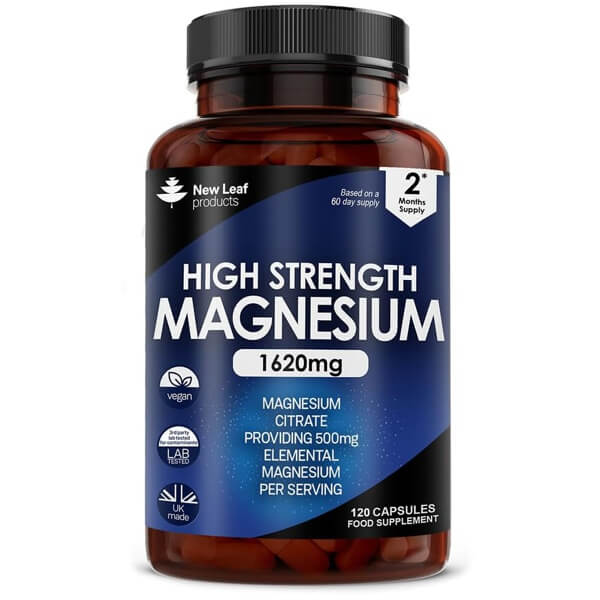
Some research has looked at whether magnesium’s calcium-antagonistic effect might play a role in reducing kidney stone risk, by helping regulate calcium levels involved in stone formation.

Vitamins & Minerals
This combination has specifically been studied in relation to calcium oxalate stones, the most common type, accounting for roughly 80% of kidney stones. The proposed mechanism, from research rather than a guarantee of effect, is that vitamin B6 may help reduce urinary oxalate excretion, while magnesium may bind to oxalate in the gut, reducing its absorption — together, these are studied for a possible reduction in stone formation risk. Research has generally used 50-100mg of vitamin B6 daily alongside 300-400mg of magnesium.
Important: High-dose vitamin B6 (above 100mg daily) requires medical supervision, as excessive intake over time has been linked to nerve damage. If you have a history of kidney stones, this is worth discussing with your GP rather than self-dosing based on this guide.
Omega-3 Fatty Acids
Much of the strongest research on omega-3 and kidney-related inflammation markers comes from studies of people with diagnosed chronic kidney disease (CKD) under specialist medical supervision — not from the general population with healthy kidneys. That distinction matters: this isn’t a basis for self-supplementing to influence a diagnosed kidney condition, and anyone with CKD should be guided by their nephrologist, not a general guide like this one.
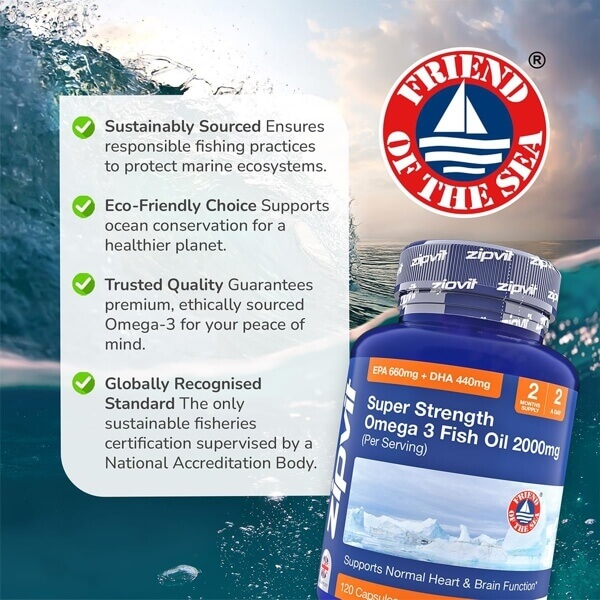
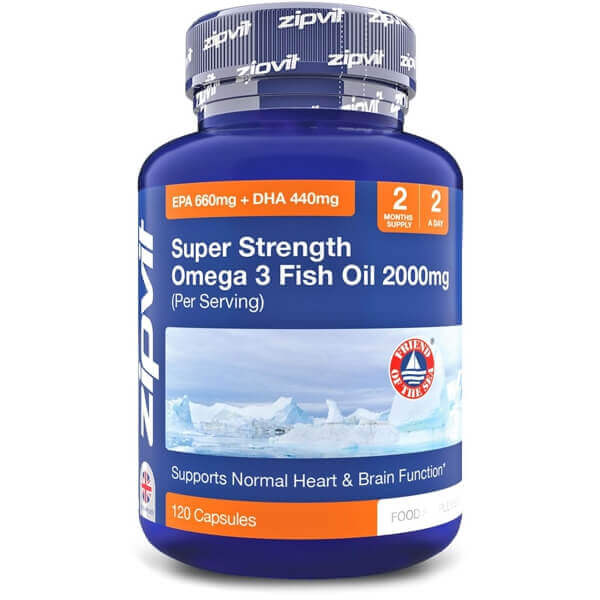
For people with generally healthy kidneys, omega-3s (EPA and DHA) are more broadly studied for a possible role in reducing inflammation markers, supporting healthy blood pressure already within normal range, and general antioxidant support. Look for supplements specifying EPA and DHA content — algae-based options are available for vegetarians and vegans.
Omega-3 & Fatty Acids
Lifestyle Factors for Kidney Function
These habits have the strongest evidence behind them, with or without supplements. Aim for around 2 litres of water daily — light yellow or clear urine generally indicates adequate hydration, while darker urine can signal dehydration. On salt: the average Briton consumes 8.4g daily, above the NHS recommendation of 6g, and excess sodium places extra strain on the kidneys and can raise blood pressure. High blood pressure is closely linked to kidney health, so regular monitoring through your GP helps catch issues early, and UK alcohol guidelines recommend a maximum of 14 units weekly, spread over several days.
Regular physical activity supports healthy blood pressure and circulation, which in turn supports kidney function, and it’s worth knowing that very high-protein diets mean the kidneys work harder to filter waste products — worth balancing against your activity level and any existing health guidance.
Things Worth Discussing With Your GP
Everyone’s situation is different, and a GP conversation — not self-selection from a list — is the right starting point if you experience recurring UTIs, a history of kidney stones, persistent water retention, or concerns about general kidney function, particularly with diabetes, high blood pressure, or a family history of kidney disease. Your GP can advise on which, if any, of the ingredients discussed above might be relevant to your specific situation, and can arrange NHS kidney function testing (blood and urine) where appropriate.
When to Seek Medical Advice
Consult your GP promptly if you experience:
- Persistent pain in the back near the kidneys
- Changes in urination patterns, colour, or odour
- Blood in urine
- Swelling in hands, feet, or face
- Unexplained fatigue
- Fever with urinary symptoms
Some of these — particularly blood in urine or fever with urinary symptoms — warrant prompt medical attention rather than waiting to see if a supplement helps.
Supplement Safety Considerations
A few groups shouldn’t take these supplements without medical supervision: people with diagnosed chronic kidney disease, those taking immunosuppressants or blood thinners, individuals with potassium restrictions, and anyone with a kidney transplant.
A few interactions are worth being aware of by ingredient: D-Mannose is generally considered low-risk, but may affect blood sugar monitoring readings; cranberry should be avoided alongside warfarin (a blood thinner) without medical advice; nettle interacts with diuretics and blood pressure medications; and magnesium can affect the absorption of certain antibiotics.
Beyond specific interactions, look for supplements manufactured to GMP (Good Manufacturing Practice) standards — UK brands referenced in this guide include Nutravita, Viridian, and Lifeplan.
Final Thoughts
Supporting urinary and kidney wellbeing combines hydration, balanced nutrition, and — for some people, in specific situations — supplements discussed with a GP. None of the ingredients above are a substitute for medical treatment, and none should be used to self-manage a diagnosed condition, recurring symptoms, or chronic kidney disease.
If any of this feels relevant to your situation, the most useful next step is a conversation with your GP about what’s actually happening — supplements are, at most, one part of that conversation, not a starting point on their own.
Disclaimer: This article is for informational purposes only and does not constitute medical advice. Always consult your GP before starting any supplement regimen, particularly if you have kidney disease, take regular medication, or have a history of kidney stones or urinary tract infections.