Hormonal imbalances can significantly affect quality of life — mood, energy levels, sleep quality, and physical wellbeing among them. Whilst hormone replacement therapy (HRT) remains, according to the NHS, the most effective treatment for menopause symptoms, many people also look into natural supplements for additional support alongside their care.
This guide explores natural options for people experiencing hormonal shifts at different life stages — with an honest look at where the evidence is genuinely solid, and where it’s still developing.
Understanding Hormonal Balance
Hormones are chemical messengers that regulate nearly every bodily function, from metabolism and reproduction to mood and sleep. Age, stress, nutrition, and other factors can all influence hormonal balance over time.
Oestrogen-related changes are sometimes associated with irregular or painful periods, hot flushes and night sweats, mood swings and irritability, unexplained weight changes, sleep disturbances, and decreased libido. Testosterone-related changes are sometimes associated with fatigue and reduced energy, muscle loss and increased body fat, mood changes and irritability, decreased motivation, reduced libido, and sleep problems.
Important Note on Natural Supplements
The NHS states that complementary and alternative treatments, such as herbal remedies, are not recommended for menopause or perimenopause symptoms, because it isn’t clear how safe or effective they are. Red clover and black cohosh are herbal remedies with no strong evidence behind them.
That said, some supplements — particularly basic nutrients rather than herbal remedies — have a more reasonable evidence base when used alongside lifestyle changes and, where appropriate, medical treatment. Always consult your GP before starting any supplement, especially if you take prescription medication.
Supplements Related to Oestrogen and Menopause
Perimenopause and Menopause
Menopause is a significant hormonal transition, with the average UK woman reaching menopause around age 51. Perimenopause — the transition period leading up to it — typically begins somewhere between the mid-40s and early 50s, and involves declining oestrogen and progesterone levels.
Black Cohosh
This herbal remedy has a long history of traditional use for menopausal symptoms, but NHS guidance is clear that there isn’t strong evidence it works. Researchers have studied it since the 1950s, and the evidence remains inconclusive; because of side-effect risks at higher doses, several official US medical organisations recommend against its use. We’re including it here for completeness, not as a recommendation.
Maca Root
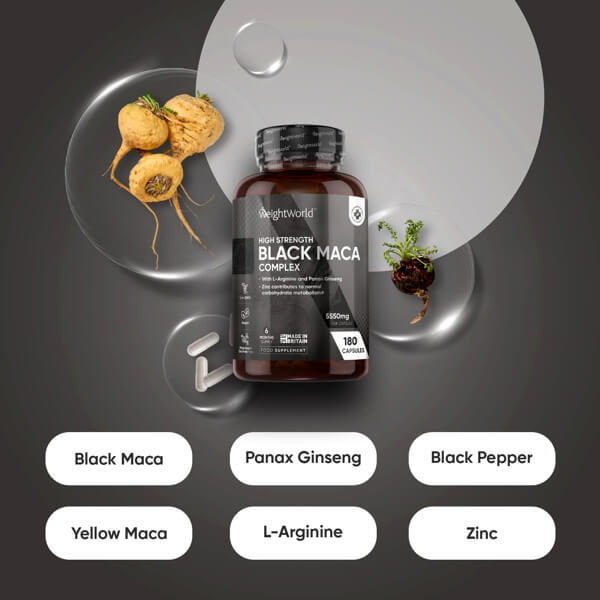
This Peruvian root is traditionally used as an adaptogen. Some smaller studies suggest maca may help with certain menopausal symptoms and mood, though large-scale trials are limited, and results should be read as preliminary rather than conclusive.
Herbal Supplements
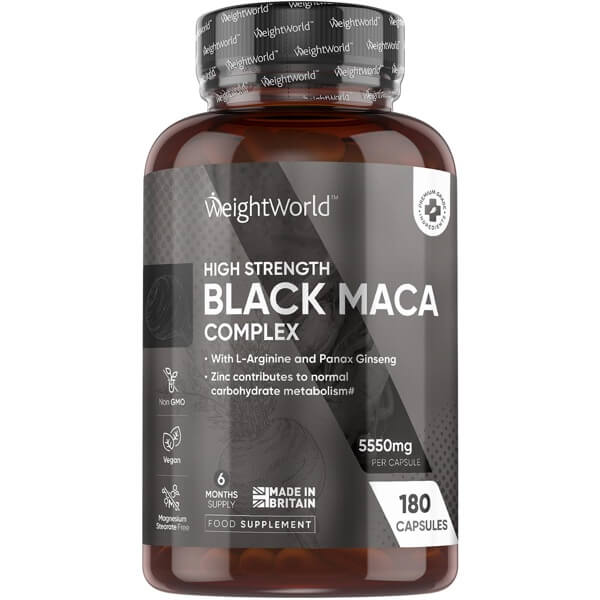
Maca Root 5550mg Black & Yellow Maca with Ginseng 180 Capsules
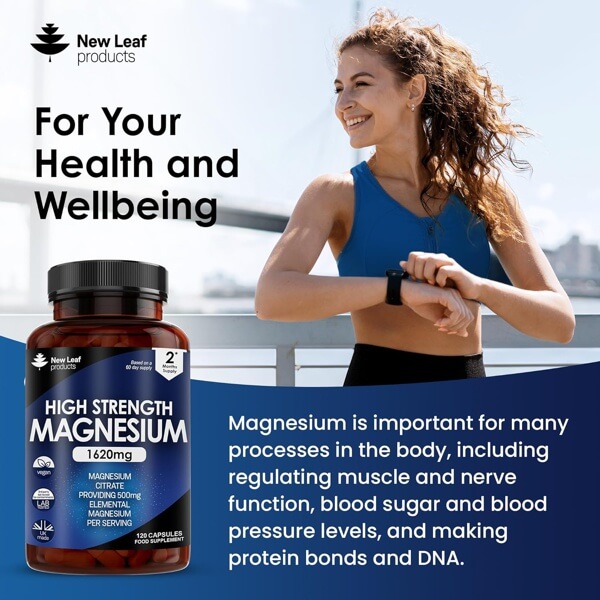
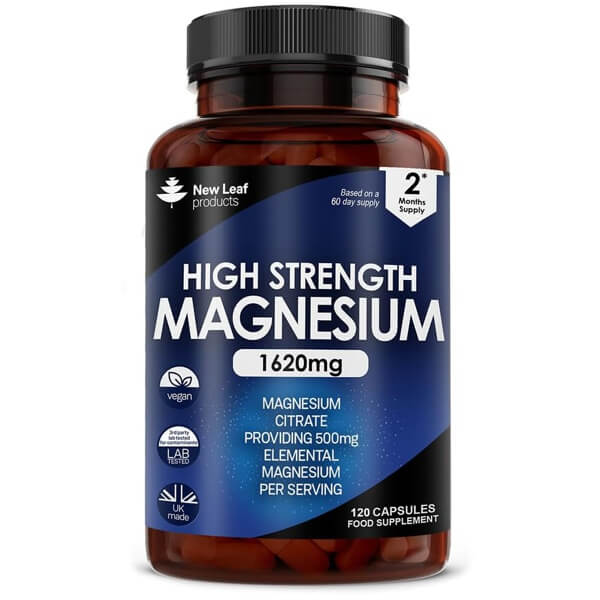
Magnesium
Magnesium is involved in over 300 biochemical reactions in the body, including some related to hormone regulation, cortisol management, and sleep. Some research links magnesium to reduced anxiety and PMS symptoms, though individual response varies.
Magnesium shortfalls are common among people going through menopause, and may be linked to symptoms like insomnia and mood changes for some. A magnesium citrate supplement is one option some people consider for sleep support during this time.
Vitamins & Minerals
For Younger Adults with Menstrual Cycles
Vitamin B6 is studied in relation to hormonal activity and PMS symptoms, and is understood to play a role in how the liver processes oestrogen — it’s also one of several B vitamins (alongside B12 and folic acid) important for energy production and mood regulation more generally. Evening primrose oil, rich in gamma-linolenic acid (GLA), is studied in relation to prostaglandins involved in hormone-related inflammation; evidence for symptoms like hot flushes specifically is inconsistent, though some people report improvements in breast tenderness, mood, and period pain with regular use, with individual response varying considerably.
Supplements Related to Testosterone
Age-Related Testosterone Decline
Sometimes referred to as “andropause,” the gradual decline in testosterone that can begin in the 40s or 50s is a genuinely different process from menopause, not a direct male equivalent — it’s typically more gradual and variable between individuals, and isn’t a formally recognised diagnosis in the same way menopause is. Natural testosterone production tends to decline gradually from around age 30, and lower testosterone is associated with reduced muscle mass, lower mood, and other changes in some men — though the relationship isn’t the same sharp transition seen in menopause.
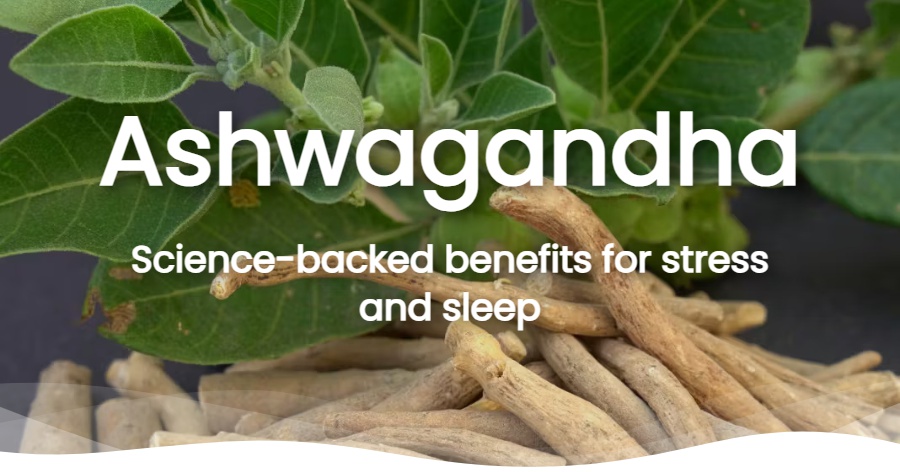
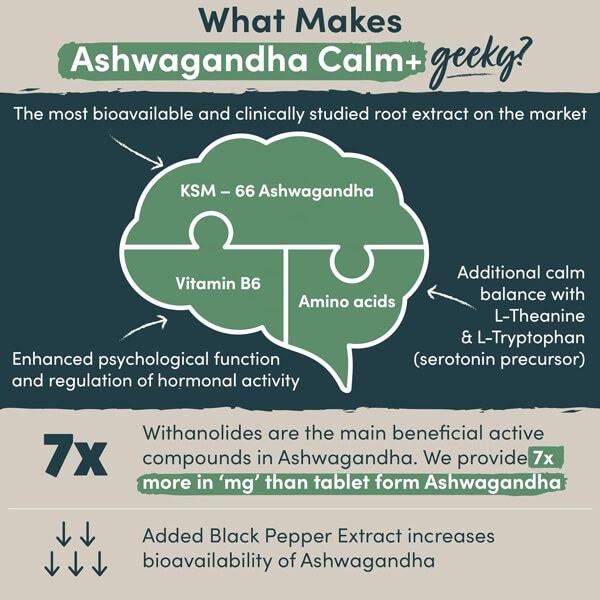
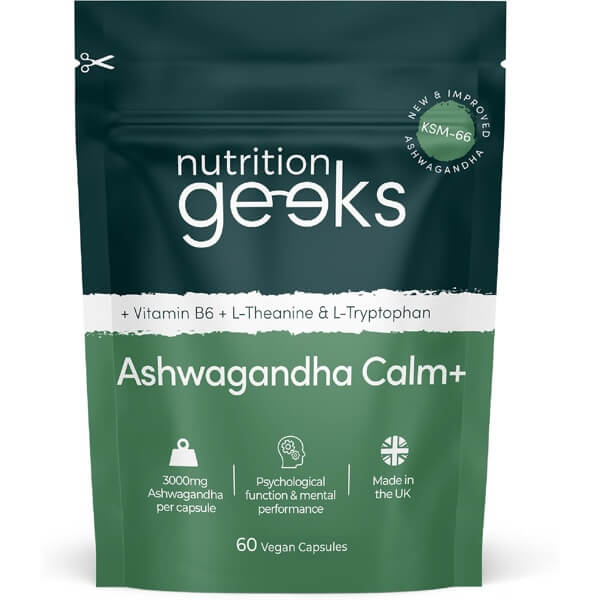
Ashwagandha
This adaptogenic herb is studied for a role in managing stress and, in some research, supporting testosterone levels. Standardised extracts such as KSM-66 have been used in several small-scale clinical studies.
Some studies suggest ashwagandha may be associated with improvements in energy, cognitive function, and aspects of sexual wellbeing in men experiencing age-related hormonal decline — these are generally small studies, and larger trials would strengthen confidence in the findings.
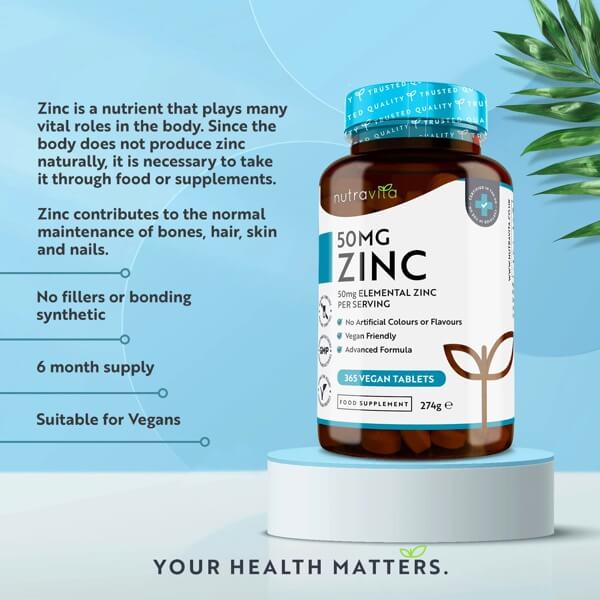
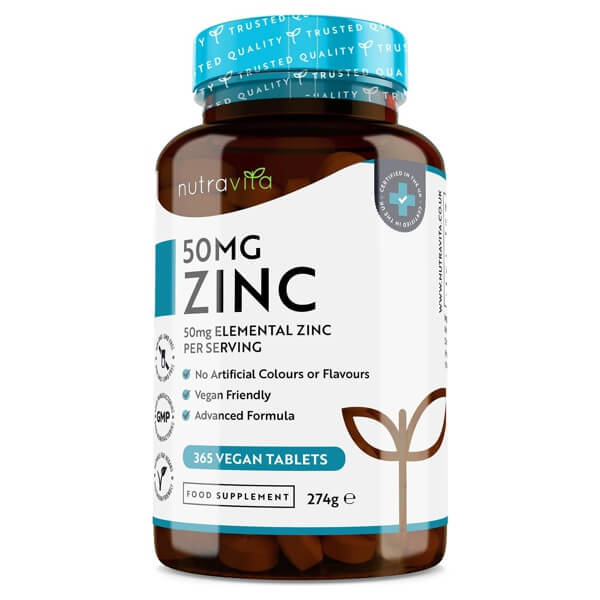
Zinc
Zinc plays a role in testosterone production, immune function, and protein synthesis, and is also involved in thyroid function and menstrual cycle regulation. Deficiency is associated with hormonal imbalances in research.
Zinc deficiency is fairly common, and correcting a genuine deficiency is where the evidence for hormonal benefit is strongest — this is less established as a general “boost” for people who aren’t deficient.
Vitamins & Minerals
Vitamin D3
Often called the “sunshine vitamin,” vitamin D functions somewhat like a hormone in the body and is studied in relation to sex hormone production, including testosterone and oestrogen, alongside its more established roles in bone health and immune function.
Many Britons run low on vitamin D, particularly in winter. A D3 supplement (sometimes combined with K2) is one of the more consistently recommended supplements for the UK population generally.


Vitamins & Minerals
Supplements Relevant Across Hormonal Changes
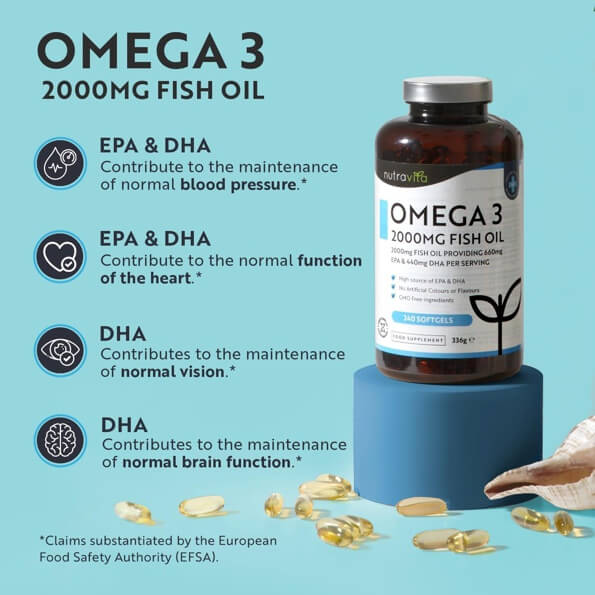
Omega-3 Fatty Acids
Omega-3 fatty acids, particularly EPA and DHA, are studied in relation to inflammation that can affect hormonal balance, alongside more established roles in brain health, mood, and insulin sensitivity.
Fish oil or algae-based omega-3 supplements are commonly considered supportive options across life stages and genders, alongside — not instead of — a generally balanced diet.
Omega-3 & Fatty Acids
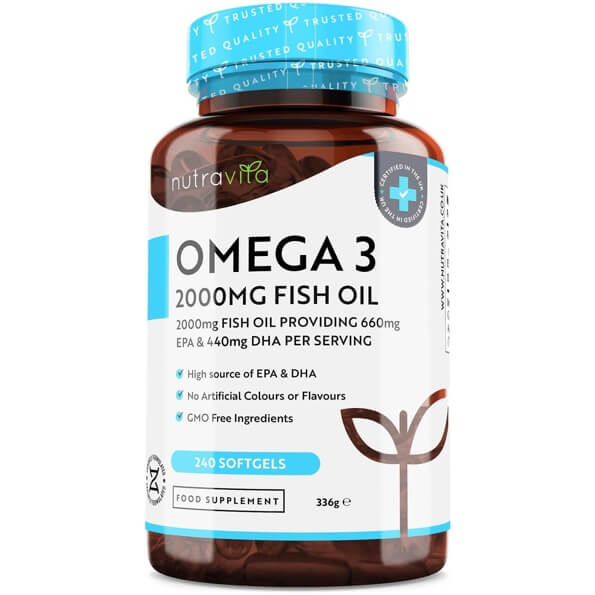
Omega 3 High Strength 2000mg EPA 660mg DHA 440mg 240 Softgels
Adaptogenic Herbs
Adaptogens like rhodiola, holy basil, and ashwagandha are studied for a role in the body’s stress response, which is relevant here because chronic stress and elevated cortisol can influence hormonal balance more broadly.
The Evidence: What We Know
Most women experience at least some premenstrual symptoms, and everyone assigned female at birth will eventually go through the hormonal changes associated with menopause.
The evidence for supplements in this area varies considerably by ingredient:
Reasonably established: Basic nutrients — magnesium, zinc, vitamin D, B vitamins, omega-3 — generally for correcting genuine shortfalls rather than boosting beyond normal levels.
Moderate evidence: Maca root and ashwagandha, based on small-scale studies.
Limited or inconsistent evidence: Black cohosh and evening primrose oil.
The NHS recommends HRT as the main medical treatment for menopause and perimenopause symptoms, describing it as safe and effective for most people going through menopause.
Lifestyle Factors for Hormonal Balance
Supplements work best alongside a few lifestyle factors, each with independent evidence behind it: balanced nutrition built around whole foods, healthy fats, quality protein, and plenty of vegetables; regular exercise, since both strength training and aerobic activity are linked to hormonal health; stress management through meditation, yoga, or time outdoors, given cortisol’s role in hormonal balance; quality sleep of 7-9 hours, given sleep’s role in hormone production; and general environmental awareness, minimising exposure to endocrine-disrupting chemicals where practical (plastics, some personal care products).
When to Seek Professional Guidance
Natural supplements provide some support for many people navigating hormonal changes, but a healthcare provider should be involved before starting any new regimen, particularly if you take prescription medication, have an existing health condition, experience severe symptoms, or are pregnant or breastfeeding. A GP can discuss prescription options and explain the relevant risks and benefits, and a qualified healthcare practitioner can help determine which supplements, if any, suit your specific situation and won’t interact with your medication.
Important Considerations
For Women and Menopause
If low sex drive persists during menopause despite HRT, testosterone is sometimes considered as an additional option. Testosterone is produced by the ovaries and typically declines with age. It isn’t currently licensed for use in women in the UK, though it can be prescribed off-label after menopause by a specialist doctor.
NICE advises considering testosterone supplementation for menopausal women with low sexual desire if HRT alone isn’t effective — though there are no licensed testosterone products for women in the UK, and NICE has not made a strong formal recommendation either way.
For Men and Testosterone
While supplements like ashwagandha and zinc are studied in relation to healthy testosterone levels, medical testosterone replacement therapy is a different matter entirely — it requires professional supervision and is appropriate only for a diagnosed testosterone deficiency, confirmed by blood tests, not self-identified symptoms.
Final Thoughts
Hormonal balance matters for wellbeing at every life stage, and a combination of appropriate supplements (where the evidence supports them), lifestyle habits, and professional guidance when needed can help people navigate hormonal transitions more comfortably.
Individual response varies considerably — what helps one person may do little for another — so it’s worth paying attention to how your body responds and adjusting accordingly, while prioritising quality products from reputable manufacturers.
For most people going through menopause, HRT remains the most effective treatment according to the NHS. Natural supplements are, at most, complementary support alongside conventional treatment and lifestyle changes — not a replacement for either.
Disclaimer: This article is for informational purposes only and does not constitute medical advice. Always consult your GP before starting any supplement, particularly if you take prescription medication, are pregnant or breastfeeding, or have an existing health condition.