Magnesium is involved in over 300 biochemical reactions, with genuinely solid research behind sleep, muscle function, and general shortfall correction — its role in blood sugar specifically is real but less consistently established than these core uses. For the full picture, including how to choose between citrate and glycinate, see our complete guide to Magnesium. Below you’ll find our picks, chosen for well-absorbed forms and appropriate dosing.


Vitamins & Minerals


Vitamins & Minerals


Vitamins & Minerals


Vitamins & Minerals


Vitamins & Minerals

Vitamins & Minerals
Choosing a Magnesium Supplement
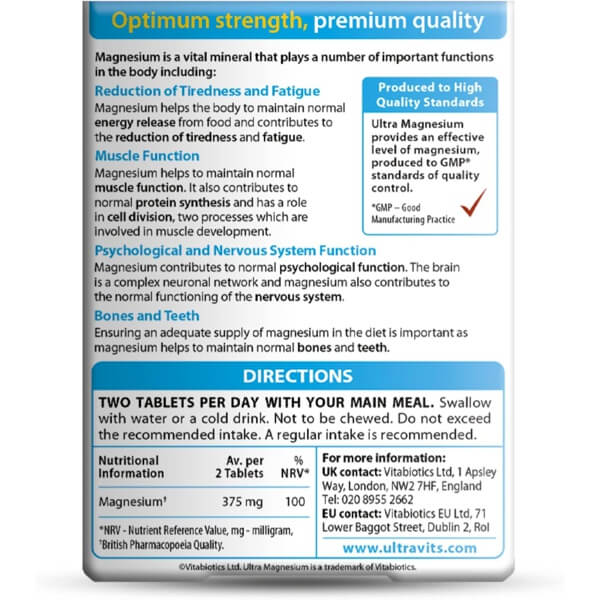
Magnesium glycinate is generally best absorbed and gentlest on digestion, making it a common choice for sleep and general use, while citrate is well-absorbed but can have a mild laxative effect at higher doses — both are reasonable choices over magnesium oxide, which is less well absorbed. On blood sugar specifically: magnesium status is genuinely linked to insulin sensitivity in research, though evidence for supplementation reliably improving glycaemic control is less consistent than for magnesium’s role in sleep and muscle function — if you have diabetes, magnesium is a reasonable complement to your care plan, not a substitute for it. The UK upper safe level for supplemental magnesium is 400mg daily. Our full guide covers dosing by goal, interactions (including with bisphosphonate medication), and more in detail.