Chronic inflammation is a factor researchers associate with numerous health conditions, including heart disease, type 2 diabetes, rheumatoid arthritis, inflammatory bowel disease, Alzheimer’s disease, and some respiratory conditions.
It’s worth being clear from the outset: these are all serious, diagnosed medical conditions with their own established medical treatment, and nothing in this guide is a treatment for any of them. What diet and lifestyle can genuinely influence is chronic low-grade inflammation more broadly — a different thing from managing a diagnosed inflammatory condition, which needs your GP or specialist’s guidance first.
Chronic inflammation differs from acute inflammation (the helpful, short-term response when you injure yourself). Chronic inflammation persists when the immune system stays activated without an immediate threat, which over time is associated with tissue changes researchers continue to study, and diet-related inflammation is understood to relate to cardiovascular function, blood sugar regulation, joint comfort, digestive function, brain health, and respiratory health.
The genuinely encouraging part: diet has a reasonably well-established relationship with general inflammatory markers, and it’s one of the more evidence-backed lifestyle factors available to you.
Foods That May Help Lower Inflammatory Markers
Whole foods are the main focus here — the Mediterranean eating pattern has shown consistent associations with lower inflammatory markers across multiple studies.
Foods to Emphasise
Colourful produce — berries, cherries, leafy greens, and orange vegetables such as sweet potatoes — contain antioxidant compounds studied in relation to oxidative stress, alongside blueberries, apples, Brussels sprouts, cabbage, broccoli, and cauliflower for similar reasons; five portions daily is the general UK dietary guideline. Oily fish (salmon, mackerel), walnuts, and flaxseeds supply omega-3 fatty acids, among the more researched dietary factors for inflammation, and extra virgin olive oil contains oleocanthal, a compound researchers have studied for anti-inflammatory properties working through a similar biological pathway to some anti-inflammatory medications — a mechanistic research finding, not a basis for treating olive oil as a substitute for medication.
Whole grains like brown rice, quinoa, barley, and oats provide fibre and nutrients, and higher dietary fibre intake is associated with lower levels of inflammatory markers such as IL-6 and TNF-alpha in observational research, alongside steadier blood sugar levels than refined alternatives. Almonds and other nuts are associated with lower cardiovascular disease and diabetes risk in population studies, with a small handful providing healthy fats and fibre that may help moderate inflammatory responses. And herbs and spices — turmeric, ginger, cinnamon, and garlic — contain compounds studied for effects on inflammatory pathways, reasonable, low-risk additions to a varied diet regardless of the specific research outcome.
Foods to Limit
White bread and pastries can spike blood sugar, which is linked to inflammatory processes, so wholemeal alternatives are generally a better everyday choice, and processed meats are associated with higher inflammatory markers in research, worth limiting to occasional consumption. Added sugars are worth minimising generally — check labels for less obvious sources in processed foods — and trans fats are still present in some processed foods, so look for “partially hydrogenated oils” on ingredient lists and avoid where possible.
On alcohol specifically: current UK guidance (from the Chief Medical Officers) doesn’t identify a level of consumption that’s without risk, and doesn’t recommend drinking for health benefits. If you do drink, staying within the UK guideline of no more than 14 units a week, spread across several days, is the relevant benchmark — not a specific “moderate” amount framed as beneficial.
Supplements for Targeted Support
Diet forms the foundation; supplements are, at most, additional support — not a treatment for any diagnosed inflammatory condition mentioned earlier in this guide.
Omega-3 Fatty Acids
Not everyone eats enough oily fish, and supplements are one way to help close that gap.
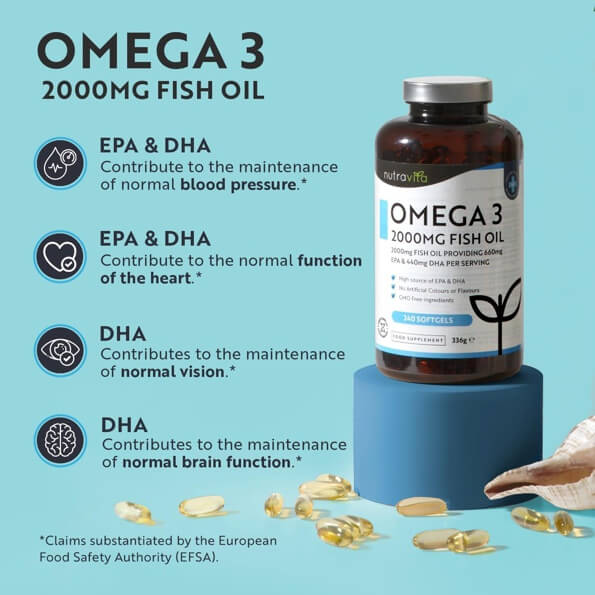
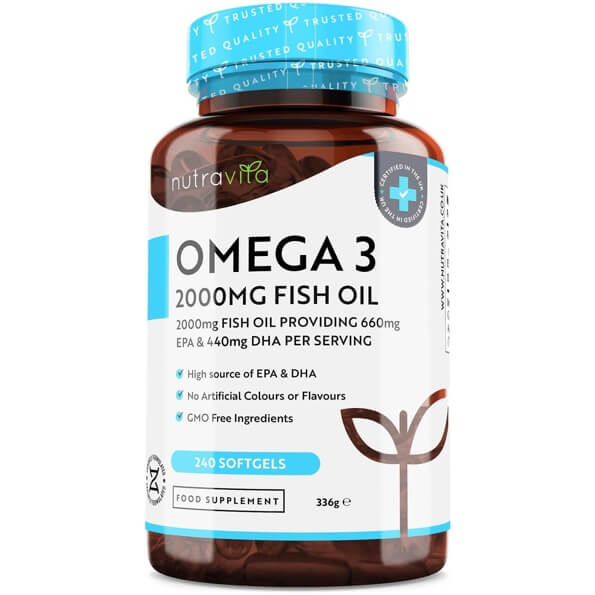
Omega-3 & Fatty Acids
Omega 3 High Strength 2000mg EPA 660mg DHA 440mg 240 Softgels
Look for products specifying EPA and DHA content. Seven Seas Pure Cod Liver Oil is one option providing these omega-3s.
Turmeric/Curcumin
Curcumin, turmeric’s main active compound, has been studied for anti-inflammatory and antioxidant properties across a number of trials, though effect sizes vary and curcumin alone is poorly absorbed by the body.
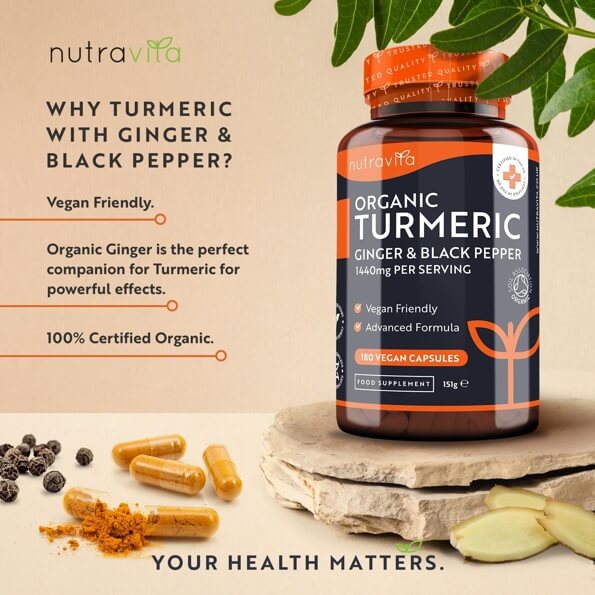
Traditional Herbs
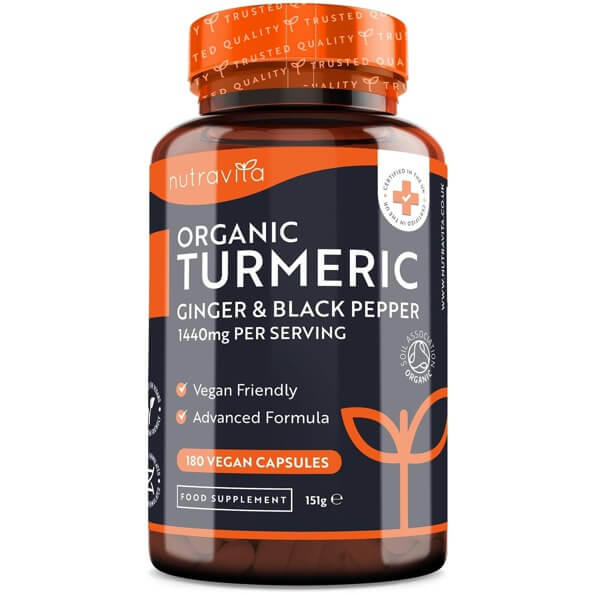
Organic Turmeric with Black Pepper & Ginger 180 Vegan Capsules
Pukka Wholistic Turmeric includes black pepper extract (piperine), which is studied for its role in improving curcumin absorption.
Probiotics
Gut bacteria and immune function are connected in ways research continues to explore — this is a genuinely active area of study rather than a fully settled picture.
Bio-Kult is studied for a possible role in supporting bacterial balance in the gut, which researchers are exploring in relation to broader immune function.
Vitamin D
Britain’s limited sunshine means many people fall short on vitamin D, particularly during autumn and winter — this is one of the more consistently recommended supplements for the UK population generally, independent of the inflammation topic specifically.


Vitamins & Minerals
Vitamin D3 & K2 by Nutrition Geeks is one option for maintaining adequate levels; vitamin D itself has a recognised role in normal immune function, and K2 is sometimes included for a complementary role in bone health.
Green Tea Extract
Green tea polyphenols, including EGCG, have been studied for associations with lower C-reactive protein (CRP), an inflammatory marker, in some clinical research. It’s worth knowing that high-dose green tea extract supplements — as opposed to drinking brewed green tea — have been linked to rare cases of liver injury; choosing a sensibly dosed, reputable product (and avoiding taking it on an empty stomach) is worth doing if you go this route.
A Practical Approach
Individual responses vary considerably — what helps one person may do little for another. Start with dietary changes before adding supplements, since this makes it easier to identify what’s actually making a difference, and if you try a supplement, introduce one at a time, allowing around 4-6 weeks before assessing whether it’s helping or adding another. A simple diary tracking energy levels, joint comfort, digestive function, sleep quality, and general wellbeing can help you notice genuine changes over that period.
Consult your GP before making significant dietary or supplement changes, particularly if you take medication or have a diagnosed inflammatory condition — some of the supplements above can interact with prescribed medication.
Beyond Nutrition
Diet and supplements are one part of a broader picture. Regular physical activity (walking counts), 7-9 hours of sleep, active stress management, maintaining a healthy weight, and avoiding tobacco smoke all matter too, each with strong independent evidence behind it.
Getting Started
General, low-grade inflammation genuinely does respond to lifestyle factors you have some control over — though, again, this is different from managing a diagnosed inflammatory condition, which needs medical guidance first.
Small, practical starting points: swap white bread for wholemeal, add berries to breakfast, introduce one new food from the list above each week. Small, consistent changes tend to add up more reliably than a complete overhaul attempted all at once.
Note: Track your own response and adjust accordingly — and if you have a diagnosed condition from the list at the start of this guide, loop in your GP or specialist on any significant dietary or supplement changes, rather than adjusting your management plan on your own.
Disclaimer: This article is for informational purposes only and does not constitute medical advice. It is not a treatment for heart disease, diabetes, rheumatoid arthritis, inflammatory bowel disease, Alzheimer’s disease, or any other diagnosed condition.