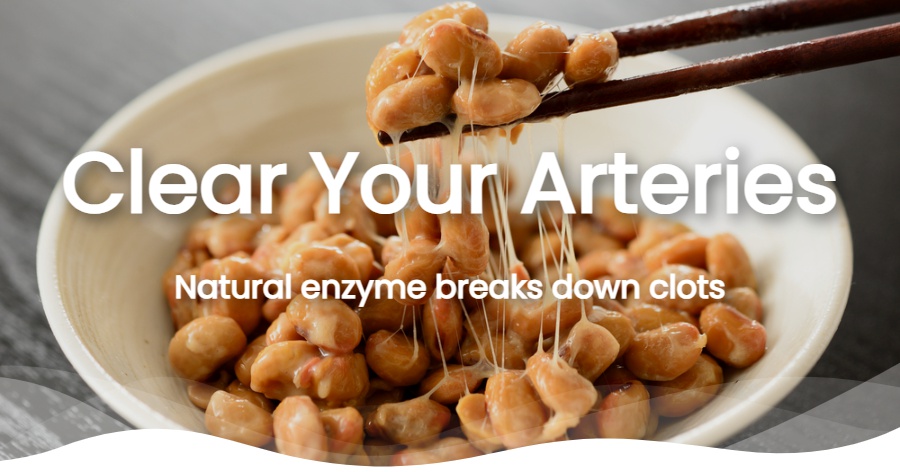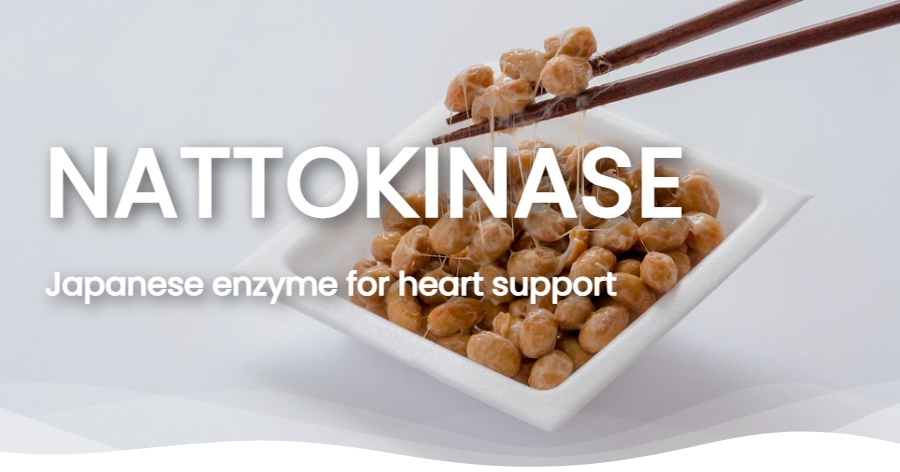
Nattokinase is an enzyme extracted from natto, a traditional Japanese food made from fermented soybeans. Bacillus subtilis bacteria produce this fibrinolytic enzyme during fermentation.
Dr. Hiroyuki Sumi discovered nattokinase in 1987 at the University of Chicago, observing the enzyme dissolving blood clots in laboratory conditions. This led to decades of research into its cardiovascular properties.
You don’t need to eat traditional natto to access nattokinase — modern supplements provide standardised doses without the strong smell and sticky texture of fermented soybeans. Before either option, though, there’s something more important to understand first.
Important Safety Information — Please Read First
Nattokinase affects blood clotting, which is exactly what makes it interesting to researchers — and exactly why it isn’t suitable for everyone. Speak to your doctor before taking nattokinase if you:
- Use blood thinners (warfarin, aspirin, clopidogrel, or similar medication)
- Take high-dose omega-3 supplements or ginkgo biloba, which can compound the effect on clotting
- Have surgery scheduled within two weeks — nattokinase should be stopped at least two weeks beforehand
- Are pregnant or breastfeeding
- Have a bleeding disorder or low blood pressure
If you take any regular medication or have a cardiovascular condition, this is a conversation to have with your GP before starting, not something to work out afterwards.
How Nattokinase Works in the Body
Nattokinase targets fibrin, the protein involved in blood clot formation. The body maintains a natural balance between clot formation and breakdown, and research suggests nattokinase may support the breakdown side of that equation, through a few possible mechanisms: some studies show it can help break down the mesh-like structure of fibrin deposits directly, research suggests it may activate plasmin (the body’s own clot-dissolving system), and some research indicates it may inhibit enzymes involved in excessive clotting.
A 2008 study by Kim and colleagues found nattokinase inhibited angiotensin-converting enzyme (ACE) activity in a laboratory setting. This is offered as one possible explanation for its studied effect on blood pressure — it is not a basis for comparing nattokinase to prescription ACE inhibitor medication, which works through a tightly regulated, clinically tested mechanism that a food supplement does not replicate.
What the Research Has Explored
Blood Flow and Circulation
Dr. Sumi’s 1990 study in Acta Haematologica found that oral nattokinase supplementation increased fibrinolytic activity in the bloodstream in study participants — notable because most enzymes break down during digestion, while nattokinase appears to survive stomach acid and remain active.
Blood Pressure
Kim’s randomised controlled trial in Hypertension Research involved 86 participants with elevated blood pressure. After eight weeks of nattokinase supplementation, participants showed reductions in systolic and diastolic blood pressure compared to placebo. This is one trial; larger and longer studies would be needed to confirm the effect.
Early-Stage Brain Research
A 2009 study in the Journal of Agricultural and Food Chemistry by Hsu found that nattokinase broke down amyloid fibrils in a laboratory setting — protein aggregates associated with certain neurological conditions. This is early, pre-clinical research; it has not been tested in human clinical trials for cognitive benefit, and it should not be read as evidence that nattokinase supports brain health or affects any neurological condition in people.
How Nattokinase Is Typically Used
Supplements come in capsules measured in fibrinolytic units (FU), with research studies generally using doses between 1,000–2,000 FU daily. Some people take it on an empty stomach; others split the dose through the day — neither approach has been shown to be clearly superior in research. Some formulations combine nattokinase with Coenzyme Q10 or red yeast rice; if you’re considering a combination product, the same safety considerations above still apply, and it’s worth checking with your GP given the additional ingredients.
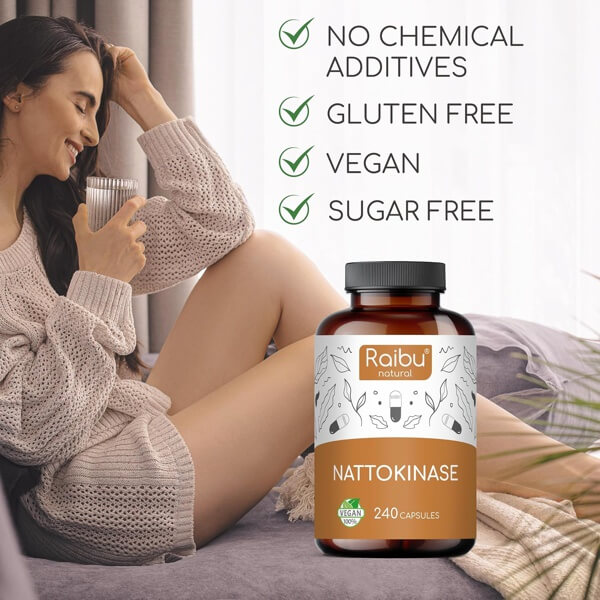
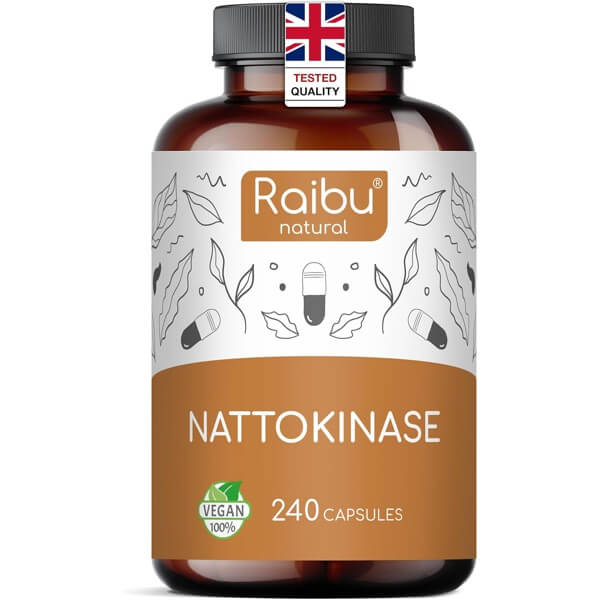
Nattokinase
If you’d rather get nattokinase from food, traditional natto provides it alongside vitamin K2 and probiotic bacteria, with a typical serving around two tablespoons daily — though the strong smell and texture make natto an acquired taste for many non-Japanese palates, which is largely why standardised supplements have become popular as an alternative.
A Note on Traditional Use
Natto has been eaten in Japan for centuries, well before nattokinase itself was identified. Japan also has comparatively low rates of cardiovascular disease, and some researchers have pointed to this as one reason to study natto’s components — but overall diet, lifestyle, and genetics all differ too, so this correlation on its own doesn’t establish that nattokinase is responsible. Laboratory and small clinical studies, discussed above, are what actually test the enzyme’s specific effects.
Practical Considerations
If you and your GP decide nattokinase might be worth trying, it works best as one part of a broader approach that includes balanced nutrition, regular physical activity, stress management, and ongoing medical supervision, especially if you have a cardiovascular condition. Nattokinase is not a substitute for prescribed cardiovascular treatment, and shouldn’t be started, stopped, or combined with medication without your doctor’s input.
Where Research Is Heading
Researchers are also exploring nattokinase in relation to respiratory health, blood sugar regulation, and combinations with other compounds — these are active research areas, not established uses, and it’s worth checking back on the evidence as it develops rather than acting on preliminary findings.
Getting Started — If Your GP Agrees
- Discuss it with your GP first, particularly if you take any regular medication
- If appropriate, choose a supplement from a reputable manufacturer with third-party testing
- Start with research-referenced dosages (1,000-2,000 FU daily), as guided by your GP or pharmacist
- Monitor how you respond over several weeks, and report anything unusual to your doctor
- Keep up the lifestyle habits that have the strongest evidence behind them regardless
Final Thoughts
Nattokinase is a genuinely researched compound with a real, if still-developing, evidence base for blood flow and blood pressure specifically — but its effect on blood clotting is exactly what makes it something to approach carefully, not casually. The safety considerations at the start of this guide matter more than any of the individual findings that follow them.
If you’re considering nattokinase, the right first step is a conversation with your GP, particularly if you take any regular medication, have a cardiovascular condition, or have surgery scheduled — nattokinase works best as one part of a broader, medically-informed approach, not a stand-alone decision made without that input.
Disclaimer: This article is for informational purposes only and does not constitute medical advice. Always consult your GP before starting nattokinase, particularly if you take blood-thinning medication, are pregnant or breastfeeding, have a bleeding disorder, or have a cardiovascular condition.