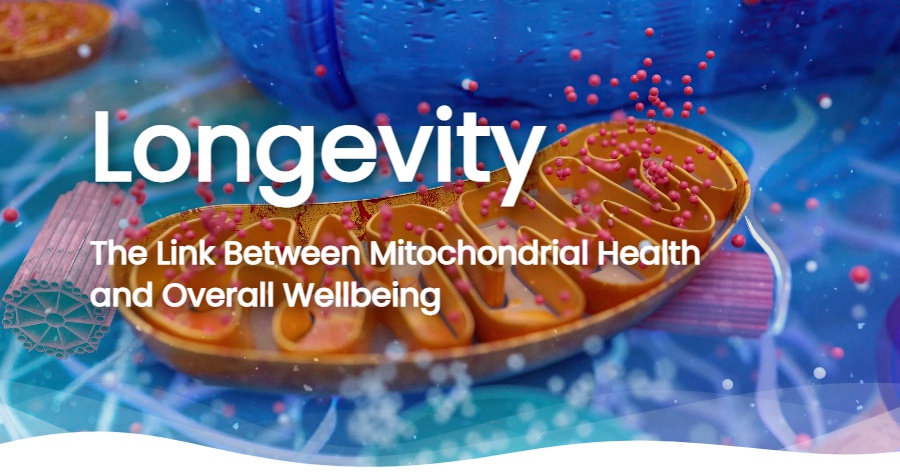
Mitochondria produce the energy that fuels nearly every biological process in the body. Research has identified AMP-activated protein kinase (AMPK) as a key regulator of how cells sense and respond to their energy status — which is why it’s attracted growing research interest in relation to metabolism and healthy ageing.
This guide looks at what’s actually known about AMPK, natural ways it’s activated, and several supplements studied in relation to this pathway — with an important caveat upfront: activating AMPK in a lab or animal study is not the same thing as a proven human health outcome, and the evidence quality varies a lot between the compounds discussed below.
Understanding AMPK
AMP-activated protein kinase (AMPK) is often described as a cellular energy sensor. It activates when cellular energy levels drop — during exercise, fasting, or metabolic stress.
Once activated, AMPK triggers processes aimed at restoring energy balance, including increased glucose uptake, changes in fat metabolism, and signals related to mitochondrial production.
Beyond immediate energy regulation, AMPK activity has been linked in research to broader areas of interest, including cardiovascular health and longevity-related pathways. Much of this broader research is in cell and animal models — genuinely interesting for understanding biology, but not yet the same as established, direct human health benefits from taking a supplement.
Natural Ways to Support AMPK Activity
Regular exercise and intermittent fasting are the most consistently evidenced ways to activate AMPK naturally. Certain compounds, several found in food and also available as supplements, have been studied for a possible role in this pathway too — summarised below.
Important Safety Considerations
Several of the compounds discussed below carry genuine safety considerations, particularly around interactions with medication:
- Berberine and ALA can lower blood sugar and may interact with diabetes medication, increasing the risk of hypoglycaemia if combined without medical guidance.
- Curcumin and resveratrol may have mild blood-thinning effects and can interact with anticoagulant medication such as warfarin.
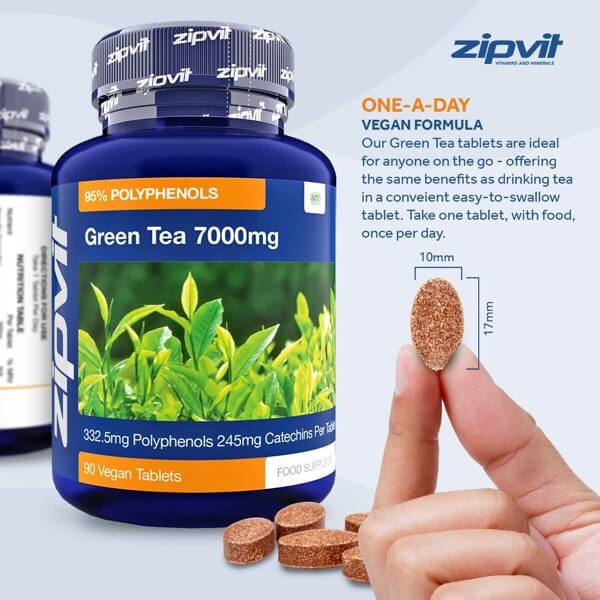
- High-dose green tea extract (EGCG) — as opposed to brewed green tea — has been linked to rare but documented cases of liver injury in supplement form; look for products with a sensible, tested dose rather than very high-concentration extracts, and avoid taking on an empty stomach, which appears to increase this risk.
- NMN and NR are newer to the supplement market, and long-term human safety data is more limited than for the other compounds here.
If you take any regular medication, particularly for diabetes or blood clotting, speak to your GP or pharmacist before adding any of the supplements below.
Compounds Studied in Relation to AMPK
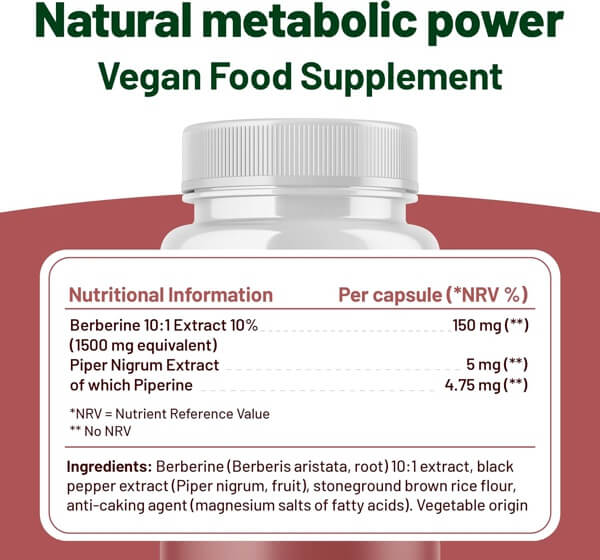
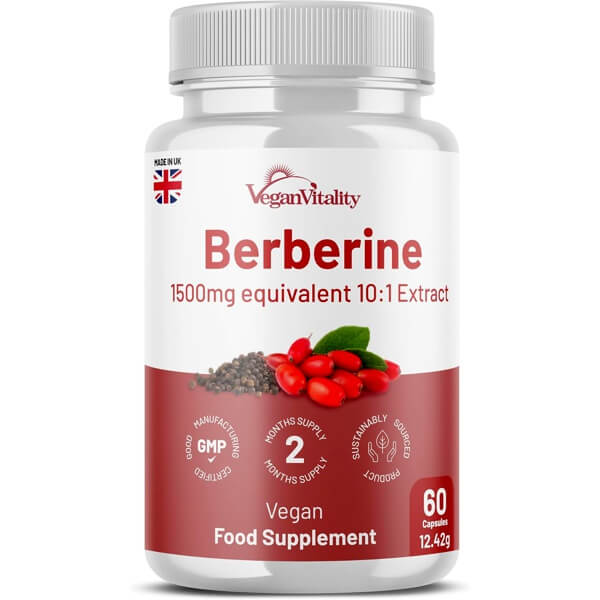
Berberine
Berberine is one of the more researched compounds here, with human studies primarily looking at its effects on blood sugar and insulin sensitivity — the AMPK-activation mechanism is one proposed explanation for these effects, based on laboratory research. Some researchers have drawn comparisons to how metformin (a prescription diabetes medication) affects similar pathways, but this is a mechanistic comparison from research, not a basis for treating berberine as an alternative to prescribed medication.
Herbal Supplements
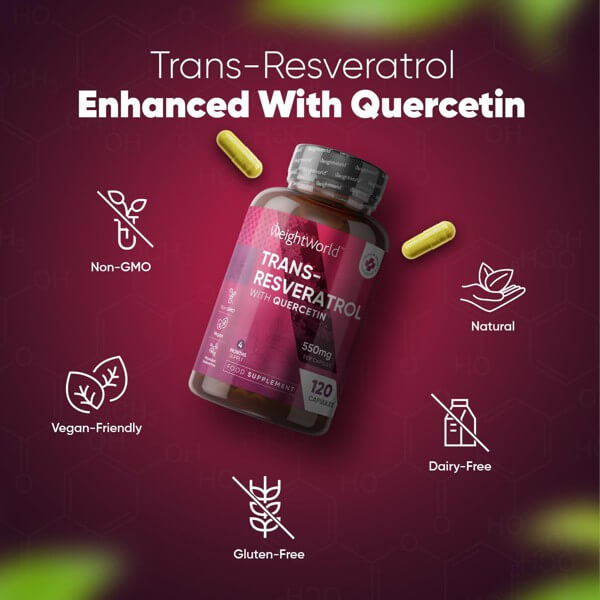
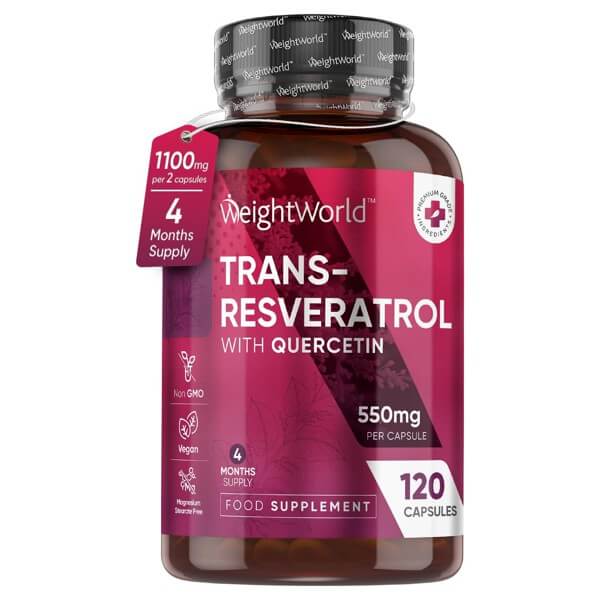
Resveratrol
Found in red grapes and berries, resveratrol has been studied in laboratory and animal research for effects on AMPK and a related pathway involving SIRT1, an area of ongoing interest for mitochondrial function and cellular ageing research. Human clinical evidence for these specific effects is more limited than the laboratory research might suggest.
Immunity & Antioxidants
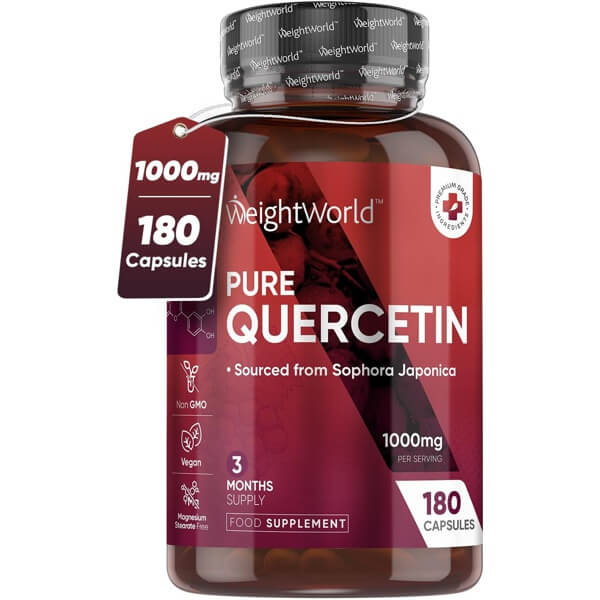
Quercetin
This antioxidant flavonoid, found in apples, onions and berries, has been studied in laboratory research for a possible role in AMPK activation and protecting mitochondria from oxidative stress — again, largely pre-clinical research at this stage.

Immunity & Antioxidants
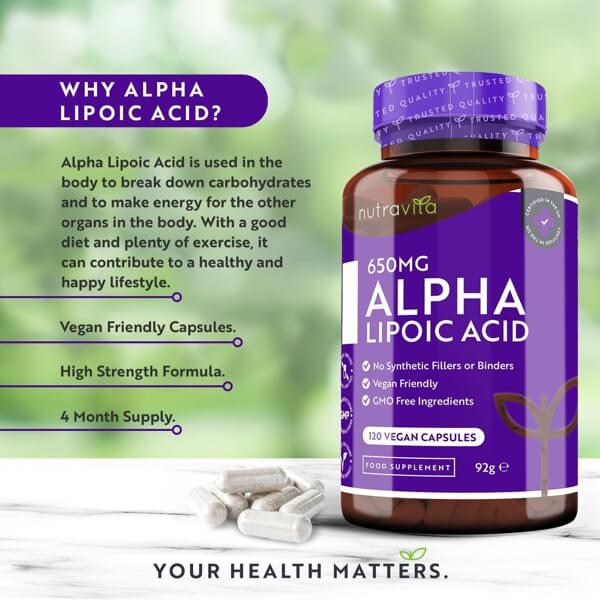
Alpha-Lipoic Acid (ALA)
This antioxidant has been studied for a role in AMPK activation and mitochondrial function, alongside more established research on its effects on blood sugar regulation — this latter point is why it needs the same caution as berberine around diabetes medication.
Immunity & Antioxidants
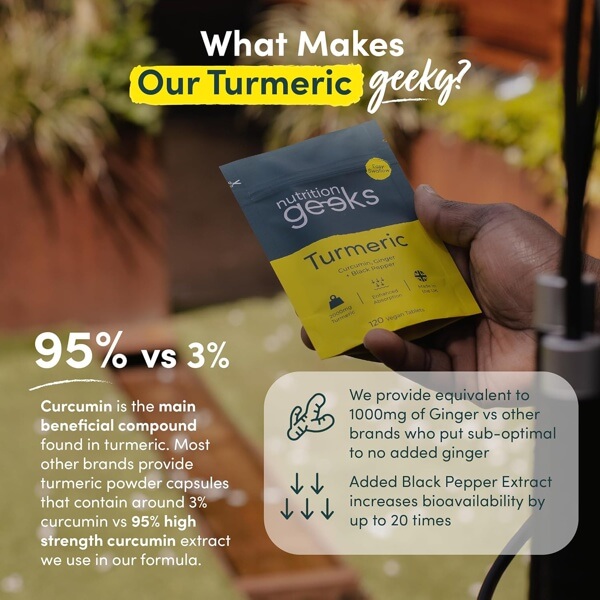
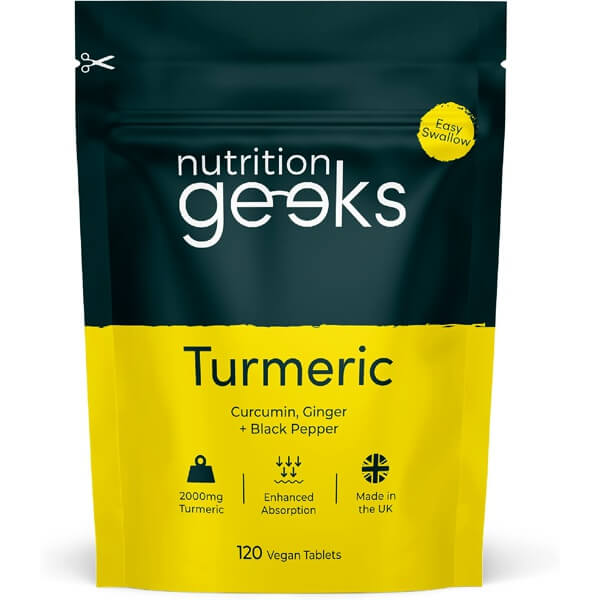
Curcumin
Turmeric’s active compound has been studied for AMPK-related effects alongside its more established research base in anti-inflammatory and antioxidant properties. Formulations combined with black pepper extract (piperine) are generally better absorbed, as curcumin alone is poorly bioavailable.
Traditional Herbs
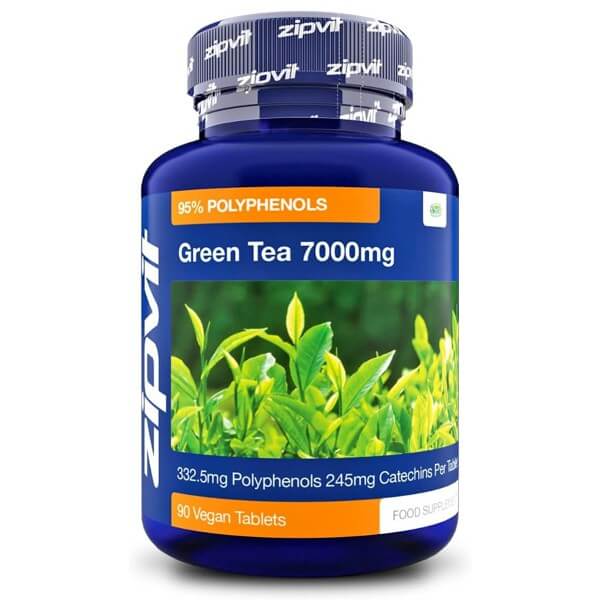
EGCG (Epigallocatechin Gallate)
Green tea contains this catechin abundantly, and it’s been studied for a possible role in AMPK activation and energy metabolism. See the safety note above regarding high-dose supplement forms specifically — this concern doesn’t apply to drinking green tea itself in normal amounts.
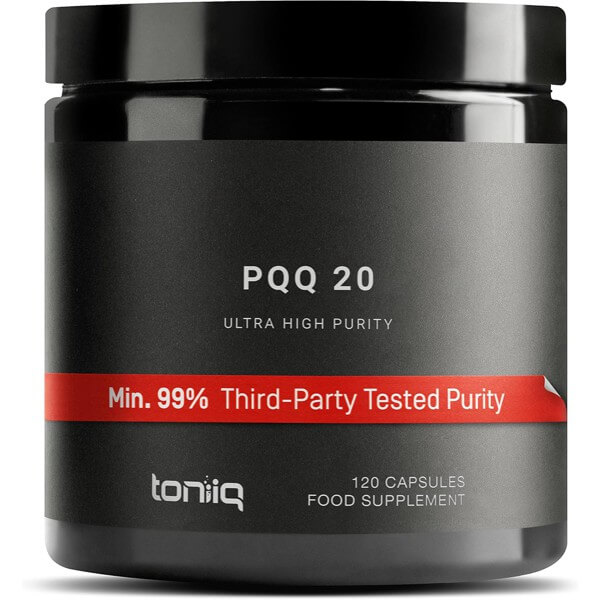
PQQ (Pyrroloquinoline Quinone)
PQQ is studied for a role in mitochondrial biogenesis — the process of creating new mitochondria — through pathways related to AMPK and PGC-1α. This is one of the newer compounds discussed here, and human research is still relatively limited compared to some of the others.
Immunity & Antioxidants
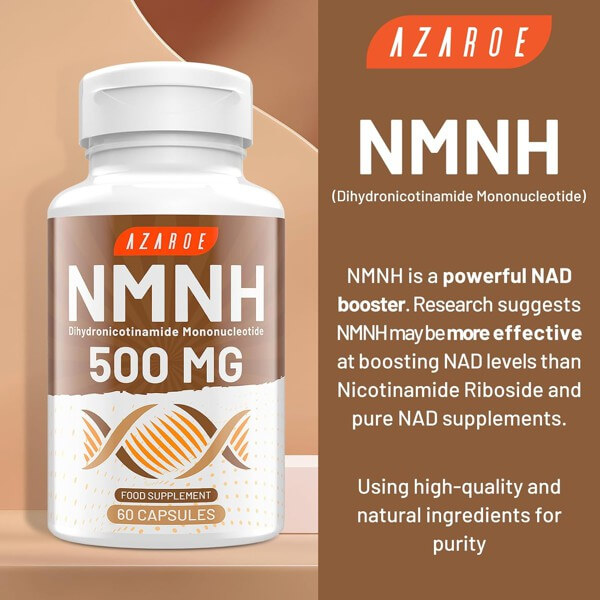
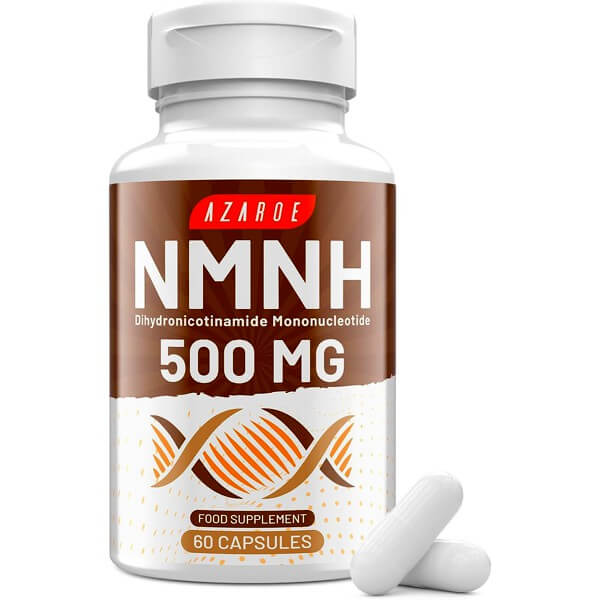
NAD+ Boosters (NMN and NR)
Nicotinamide mononucleotide (NMN) and nicotinamide riboside (NR) are studied for their role in raising NAD+ levels, with research exploring links to SIRT1 activity and mitochondrial function alongside AMPK-related pathways. This is an active and fast-moving area of research — worth keeping an eye on as more human data emerges, rather than treating current findings as settled.
Immunity & Antioxidants
The Bigger Picture
Exercise and intermittent fasting remain the most consistently evidenced ways to activate AMPK — the supplements above are, at most, a possible addition to that foundation, not a substitute for it.
Regular physical activity, balanced nutrition, stress management, and quality sleep all contribute to how efficiently your cells manage energy — and unlike most of the compounds above, the evidence for these fundamentals in relation to metabolic and mitochondrial health is well-established, not preliminary.
If you’re specifically interested in AMPK-related supplementation, particularly berberine or ALA given their effects on blood sugar, it’s worth discussing with your GP first — especially if you take any regular medication.
Disclaimer: This article is for informational purposes only and does not constitute medical advice. Always consult your GP or pharmacist before starting any supplement, particularly if you take regular medication or have an existing health condition.