Living in the UK comes with plenty of advantages, but abundant sunshine isn’t typically one of them — and that geographical reality has real implications for vitamin D levels, a nutrient that behaves more like a hormone than a typical vitamin and plays a role in far more than just bone health.
What Is Vitamin D and Why It Matters
Vitamin D is fat-soluble, and unusually among nutrients, the body can produce it when skin is exposed to sufficient sunlight — though geographical location, season, time of day, cloud cover, and sunscreen use all significantly affect how much gets made. It supports calcium absorption and bone health, contributes to normal immune function, is studied in relation to mood, supports muscle function, and is an area of ongoing research for cardiovascular and inflammatory processes. Research continues to expand what’s understood about vitamin D’s role in the body, well beyond the bone-health reputation it’s traditionally known for.
A Common UK Problem
The UK’s northern latitude means that from October to March, sunlight lacks sufficient UVB radiation for the skin to produce vitamin D at all, creating a genuine seasonal gap for most residents. UK health authorities (the UK Health Security Agency, formerly Public Health England) note that around 1 in 5 adults and 1 in 6 children in the UK have low vitamin D levels, with the situation becoming more pronounced during winter months when natural production essentially stops.
A number of symptoms are sometimes associated with low vitamin D — persistent fatigue, bone or back pain, low mood, slow wound healing, muscle or joint pain, reduced muscle strength, and more. It’s important to be upfront about these: every one of them is genuinely non-specific and has many possible causes beyond vitamin D, from thyroid issues to iron deficiency to simply not sleeping enough. This is a reason to consider a GP conversation and a blood test if several apply to you, particularly during winter — not a basis for self-diagnosis.


Vitamins & Minerals
What Research Shows
Vitamin D receptors are present on many immune cells, giving this nutrient genuine influence over both innate and adaptive immune function. A well-known systematic review in the British Medical Journal found that vitamin D supplementation was safe and offered some protection against acute respiratory infections, with the clearest benefit in people who were significantly deficient to begin with — a meaningful, if not universal, finding worth knowing during a UK winter when colds and flu circulate more.
The relationship between vitamin D and bone health is well established: this nutrient enables calcium absorption in the gut and helps maintain the calcium and phosphate balance bones need for normal mineralisation. Without sufficient vitamin D, bones can become thin, brittle, or misshapen over time, and research published in Osteoporosis International has found that adequate vitamin D combined with calcium reduces fracture risk in older adults specifically. Vitamin D is also relevant to muscle strength and fall risk, which matters particularly for older adults navigating age-related muscle loss.
The connection between vitamin D and mental health is genuinely studied, with research finding associations between deficiency and increased depression risk, and a meta-analysis in the Journal of Affective Disorders finding a moderate improvement in depression symptoms with supplementation, particularly in people who were clinically depressed and had lower baseline vitamin D levels. It’s important to be precise here rather than overstate it: this is not the same as vitamin D being comparable to antidepressant medication, and it shouldn’t be read that way. Depression deserves proper diagnosis and treatment, and correcting a genuine vitamin D deficiency is, at most, one small supporting factor — never a substitute for appropriate medical and psychological care. If you’re experiencing depression, please speak to your GP.
Growing research also points to a role for vitamin D in cardiovascular health, with studies exploring effects on inflammation, blood pressure, and how well blood vessels function — genuinely interesting research, though it’s too early to call this settled causation rather than an area still being actively studied, and it’s best understood as one part of an overall healthy lifestyle rather than a specific cardiovascular intervention on its own.
How Much Vitamin D Do You Need?
UK guidance suggests babies up to a year need 8.5-10mcg (340-400 IU) daily, while children over one and adults need 10mcg (400 IU) daily during autumn and winter — or year-round for anyone with limited sun exposure. Some health experts and international bodies, including the Endocrine Society, suggest these baseline figures may be conservative, particularly for people at higher risk of deficiency.
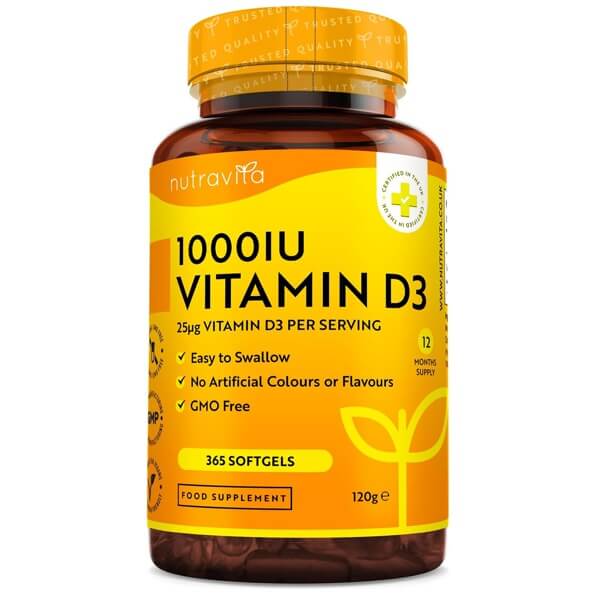
In practice, many adults take 25-50mcg (1,000-2,000 IU) of vitamin D3 daily, generally considered a safe and reasonably effective range for most people without a specific health condition — D3 (cholecalciferol) is the preferred form since it’s identical to what skin naturally produces and more effective at raising blood levels than D2 (ergocalciferol). Women may find this higher end of the range particularly relevant during pregnancy and breastfeeding, perimenopause and menopause specifically for bone health, and later life given increased osteoporosis risk — though baseline recommendations don’t otherwise differ meaningfully from men’s. Whatever your specific situation, individual needs vary with skin tone, age, weight, and existing health conditions, so it’s worth checking with a GP before going beyond standard maintenance doses.
Vitamins & Minerals
Getting Vitamin D From Food
Fatty fish (salmon, mackerel, sardines, trout), egg yolks, UV-exposed mushrooms, fortified foods (many UK plant milks, some cereals, and orange juice), and small amounts from red meat and liver (limited during pregnancy given its vitamin A content) are the main dietary sources. Plant-based diets offer more limited natural options — mainly UV-exposed mushrooms and fortified products — which is why vegans and vegetarians in particular are worth paying closer attention to vitamin D status, especially through autumn and winter. Even with a genuinely good diet, most UK residents will struggle to meet vitamin D needs through food alone during winter, which is part of why supplementation is so broadly recommended here specifically.
Choosing a Supplement
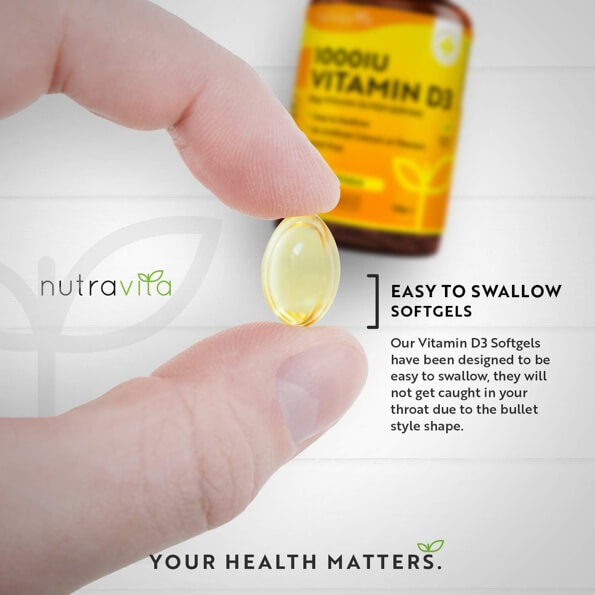
Vitamin D supplements come as tablets, oil-based softgels, liquid drops, oral or sublingual sprays, and gummies — the right format is mostly a matter of personal preference, though since vitamin D is fat-soluble, taking it with a meal containing some fat improves absorption regardless of format. D3 is generally the better choice over D2 for the reasons covered above; traditional D3 comes from lanolin (sheep’s wool), though vegan alternatives derived from lichen are increasingly available for those who need them.
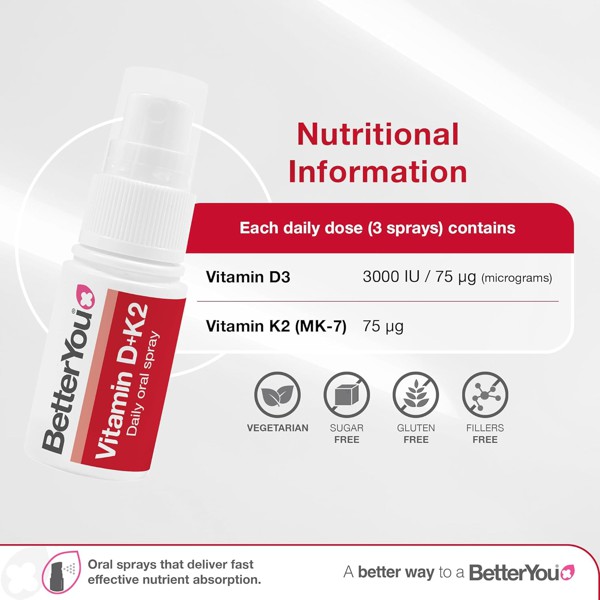
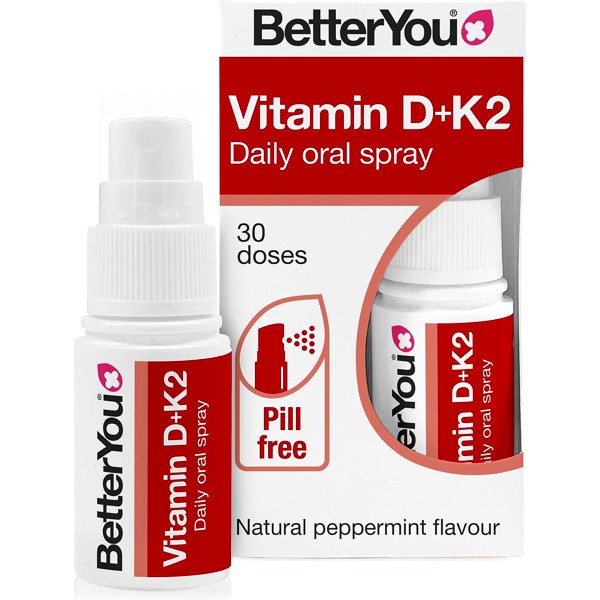
When choosing a product, it’s worth checking the form (D3 preferred), the dose relative to the ranges discussed above, whether it includes complementary nutrients like K2 (which some research suggests helps direct calcium toward bone), third-party testing, value for money, and any relevant allergen information.
Multivitamins
A Practical UK Strategy
Many health professionals suggest a seasonal approach: from April to September, sensible sun exposure (some skin uncovered, particularly between 11am and 3pm, balanced against sun safety) may be enough for many people without additional supplementation, while from October to March, daily supplementation is reasonable for virtually all UK residents, since UVB levels simply aren’t sufficient for the skin to produce meaningful vitamin D during these months.
Some groups are worth considering for year-round supplementation regardless of season: people with darker skin tones, those who cover most skin outdoors for religious or cultural reasons, people who are housebound or rarely go outside, care home residents, night-shift or predominantly indoor workers, people with malabsorption conditions, and those on medication known to affect vitamin D metabolism. For these groups, slightly higher supplementation within safe ranges may be appropriate, ideally discussed with a GP rather than self-selected.
Vitamin D is also studied alongside other nutrients — K2 for calcium direction, magnesium (which is actually required for the body to metabolise and activate vitamin D in the first place), zinc for vitamin D receptor function, and boron, with more preliminary research behind it. This is why combined D3+K2 formulations in particular have become popular for people interested in comprehensive bone and cardiovascular support together.
Safety and Precautions
Vitamin D supplementation is considered safe for most people at standard doses, with the UK upper safe limit generally set at 100mcg (4,000 IU) daily for adults — higher amounts should only be taken under medical supervision. A few groups need particular caution: people with conditions like sarcoidosis, some lymphomas, or primary hyperparathyroidism, since these can affect how the body handles vitamin D and calcium; anyone with kidney disease, who may need specialised guidance; and anyone taking medications that can interact with vitamin D, including certain steroids, weight-loss drugs, and some cholesterol-lowering medicines. Excessive, sustained high-dose supplementation can lead to hypercalcaemia (too much calcium in the blood), though this typically requires doses well above standard maintenance levels over an extended period. As with any of this, speak to your GP before starting high-dose supplementation, particularly alongside existing health conditions or medication.
Final Thoughts
The evidence for vitamin D’s importance in the UK specifically is genuinely strong — the geography here means most residents need a conscious strategy, not just good intentions, to maintain adequate levels through much of the year. Whether that’s sensible sun exposure in summer, vitamin D-rich foods, or supplementation from autumn through winter (which covers most people), making vitamin D a consistent part of your routine is one of the more evidence-backed, low-effort things you can do for your health in the British climate — while keeping expectations realistic about what it can and can’t do, particularly around mental health, where it’s a supporting factor and never a substitute for proper care.
Disclaimer: This article is for informational purposes only and does not constitute medical advice. Vitamin D supplementation is not a treatment for diagnosed depression or any other medical condition. Always consult your GP before starting high-dose supplementation, particularly if you take regular medication or have an existing health condition such as sarcoidosis, kidney disease, or a condition affecting calcium levels.