Modern lifestyles often leave us feeling sluggish and sleep-deprived. While ‘detox’ products abound, what does the evidence actually say about supporting your liver and improving sleep naturally?
The Truth About Detoxification: Beyond the Hype
The word ‘detox’ has become a marketing buzzword, often promising miraculous cleansing effects with little scientific backing. Let’s be clear about what actually happens: your body has its own sophisticated detoxification system, with the liver as its central processing unit — no product “detoxes” it for you.
How Your Liver Actually Works
Your liver performs hundreds of essential functions, including processing substances in your bloodstream — from alcohol and medications to environmental compounds — converting them into forms the body can safely excrete.
Rather than trendy ‘detox’ regimens, the evidence points toward supporting your liver’s existing processes through nutrition and lifestyle choices, not replacing or accelerating them artificially.
Evidence-Based Liver Support
1. Milk Thistle (Silymarin)
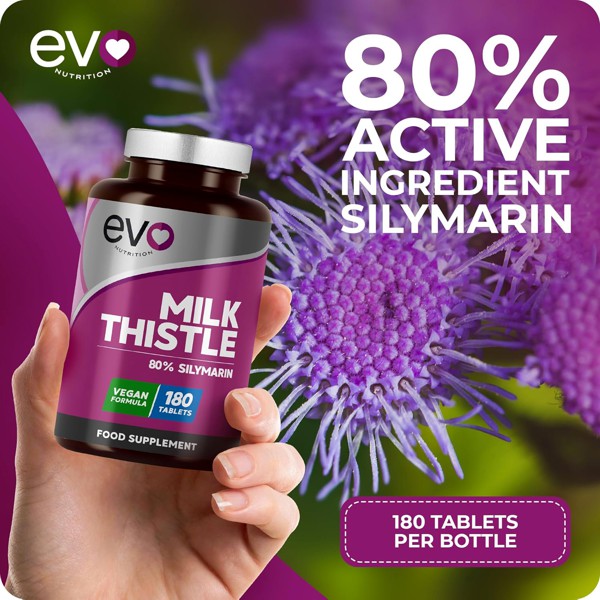
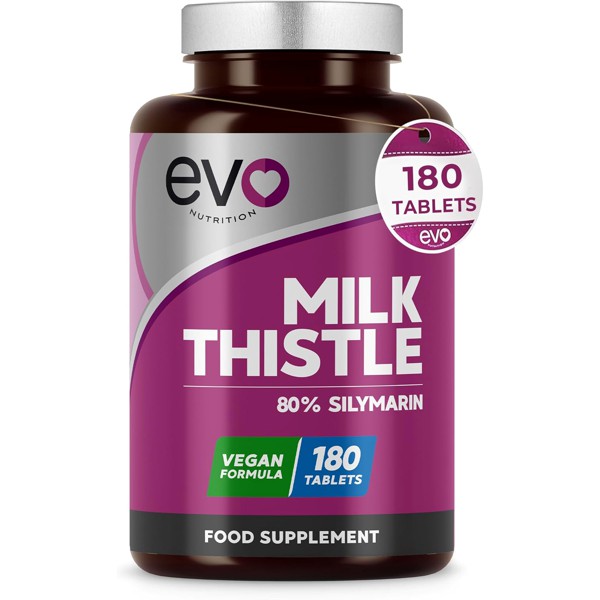
Silymarin, the active compound in milk thistle, has been studied for its potential protective role in liver health. Much of the strongest research involves people with diagnosed liver conditions, such as hepatitis or fatty liver disease, under medical supervision — evidence for otherwise healthy livers is more limited. Research has explored a possible role in liver inflammation, liver cell protection against oxidative stress, and general antioxidant activity.
If you have a diagnosed liver condition, milk thistle should only be considered alongside your doctor’s guidance, not as a substitute for treatment.
Herbal Supplements
2. NAC (N-Acetyl Cysteine)
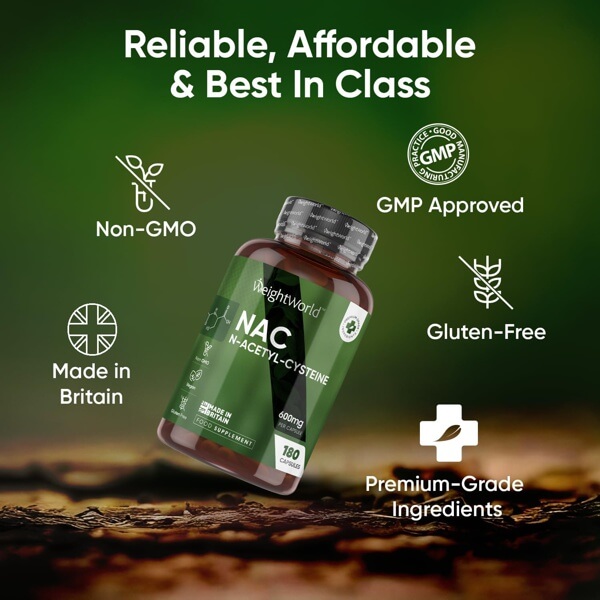
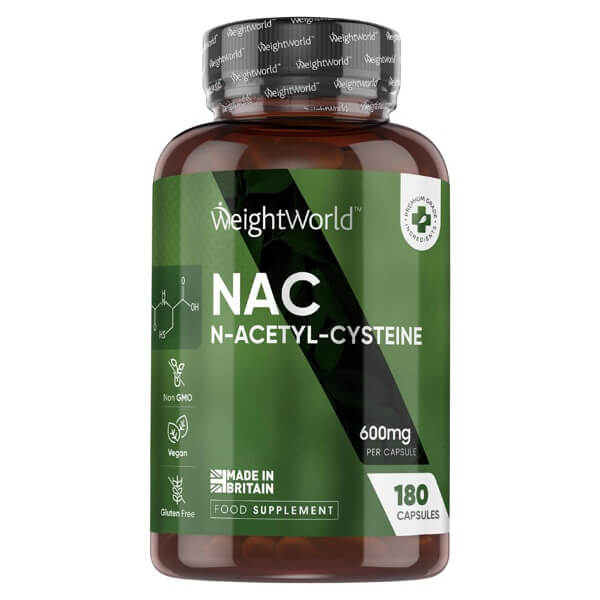
NAC is an amino acid that serves as a precursor to glutathione, sometimes referred to as one of the body’s key internal antioxidants. It’s studied for a possible role in supporting glutathione levels, antioxidant activity relevant to how the body processes certain compounds, and general liver cell support in early research.
NAC can interact with certain medications, including nitroglycerin, and is used in a specific, medically supervised clinical context for paracetamol overdose — this clinical use is not the same as general supplementation, and if you take regular medication, check with your GP or pharmacist first.
Amino Acids
3. Turmeric Extract (Curcumin)
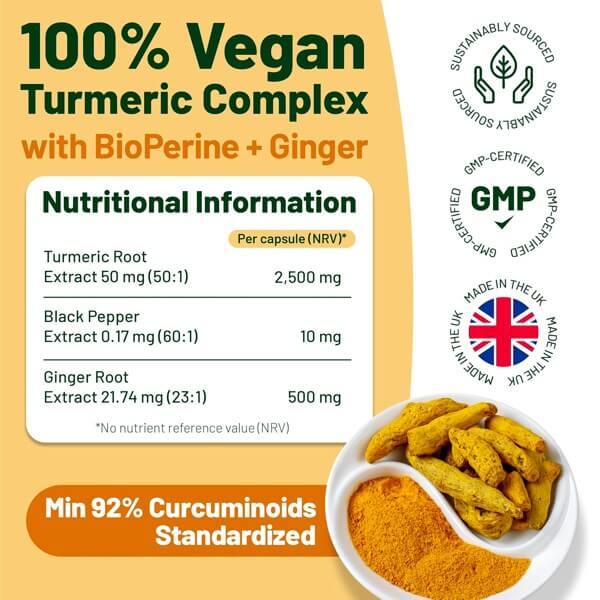
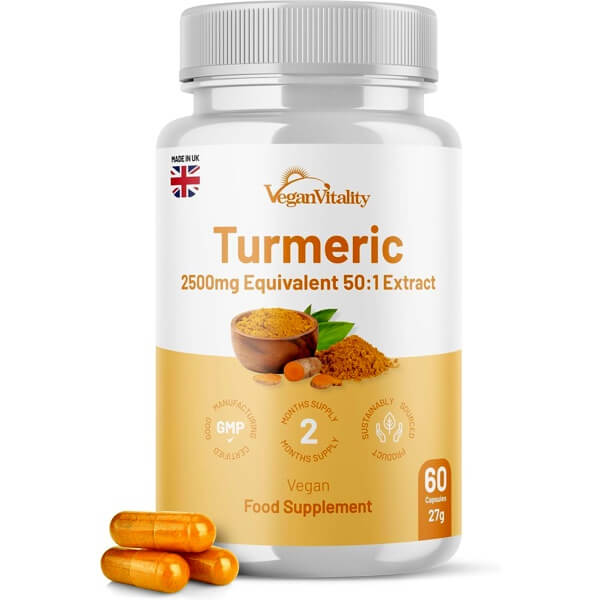
Curcumin, turmeric’s main active compound, is studied for anti-inflammatory and antioxidant properties, including some research exploring a role in liver inflammation and bile flow.
An important safety note: despite being studied for liver support, concentrated curcumin/turmeric supplements have, in rare cases, been linked to documented instances of liver injury — reported through the MHRA’s Yellow Card adverse event scheme and similar systems elsewhere. This appears to be uncommon and not fully understood, but it’s a genuine reason for caution: if you notice symptoms like unusual fatigue, yellowing skin or eyes, dark urine, or abdominal pain after starting a turmeric or curcumin supplement, stop taking it and see your GP promptly. This risk applies to concentrated supplements, not turmeric used as a culinary spice. Our complete turmeric guide covers this in full detail.
Traditional Herbs
4. Dandelion Root
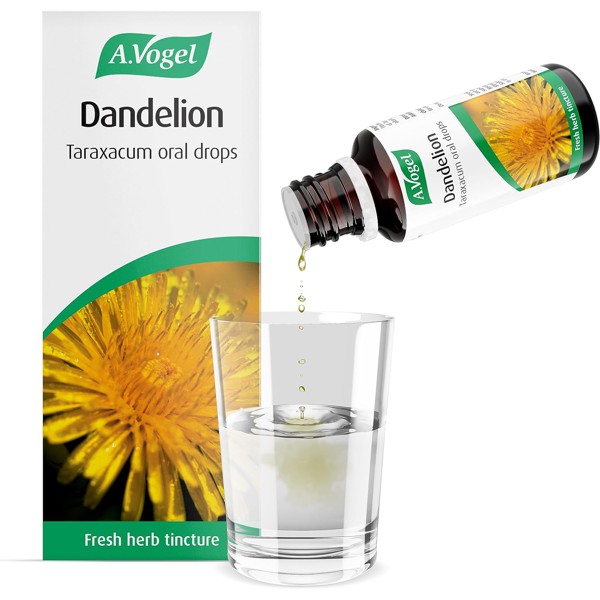
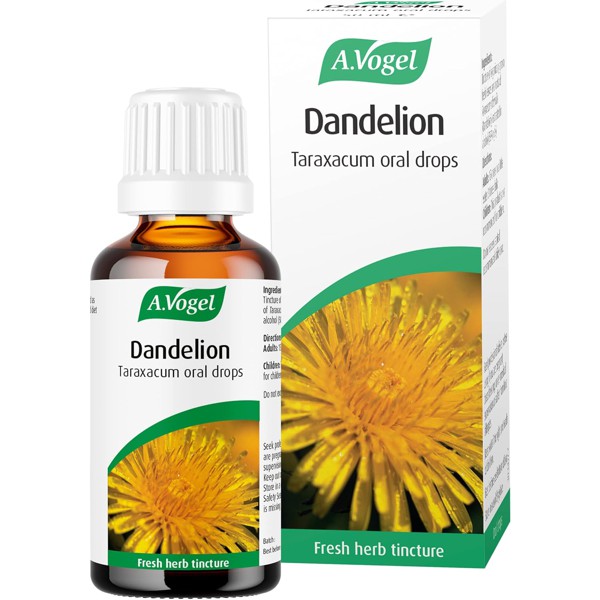
Dandelion root has a long traditional association with liver support, largely based on its ability to stimulate bile production. It’s worth being precise about this: the traditional “liver health” framing reflects historical use rather than a specific, well-established modern clinical claim — closer in evidence strength to milk thistle’s more limited findings above than to a settled recommendation.
Dandelion belongs to the Asteraceae (daisy) family, alongside artichoke, milk thistle, ragweed, and chrysanthemums — anyone with an allergy to these plants should be cautious and watch for reactions when trying it for the first time. If you’re considering a tincture form specifically, check the alcohol content: some dandelion tinctures are extracted at 50% alcohol by volume, which adds up to a meaningful intake across a full daily dose and should be avoided during pregnancy and breastfeeding for that reason specifically, not just as a general caution. Tincture-based dandelion products are also not suitable for pets — alcohol is genuinely toxic to dogs even in small amounts.
Multivitamins
Debunking Common Detox Myths
Myth: You Need to ‘Cleanse’ Your Body Regularly
Reality: If your kidneys and liver are functioning normally, your body continuously processes and eliminates waste on its own. No special cleanse or juice fast adds to this.
Myth: Detox Teas Flush Out Toxins
Reality: Most detox teas are simply diuretics or mild laxatives — they increase urination or speed up digestion, rather than removing anything beyond what your body already handles naturally.
Myth: You Need to Eliminate All “Toxins” from Your Diet
Reality: While minimising ultra-processed foods is generally sensible, the idea of a completely “toxin-free” diet is more marketing than science. A nutrient-dense, varied diet supports your body’s own processes better than any elimination protocol.
Sleep Quality: The Overlooked Health Essential
Poor sleep affects cognitive function, immune health, and general wellbeing. Some people turn to prescription sleep aids, which can carry a risk of dependency and side effects with longer-term use — which is why some look into natural approaches as well.
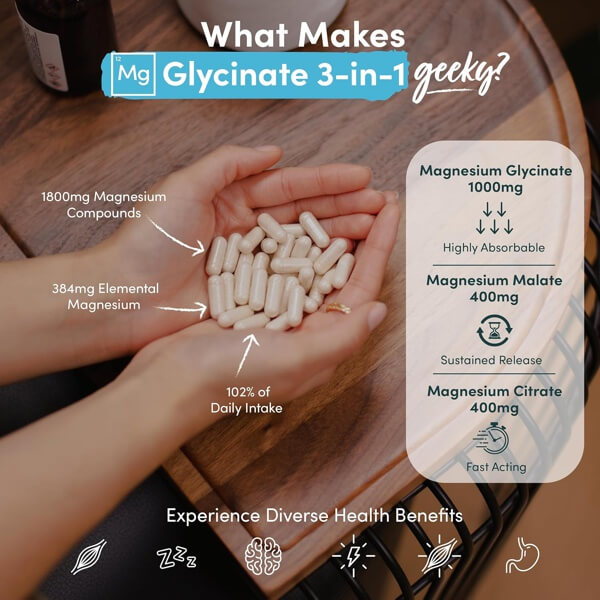
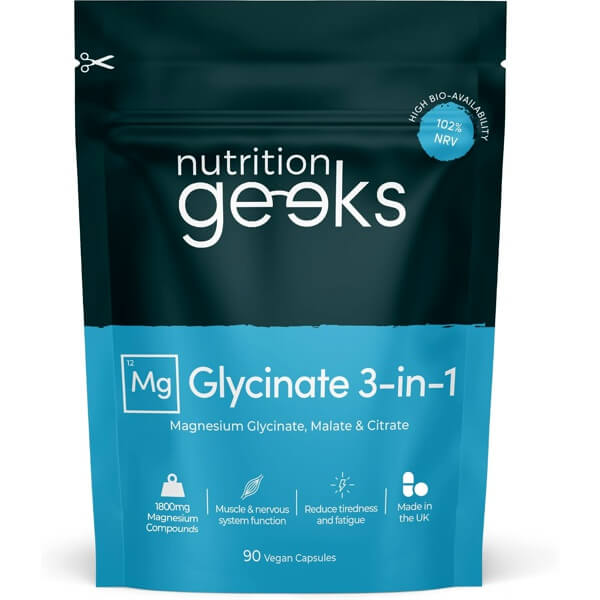
1. Magnesium Glycinate
Magnesium shortfalls are common in the UK and may contribute to poorer sleep quality for some people. It’s studied in relation to neurotransmitters involved in sleep regulation, muscle relaxation, and, in some research, insomnia symptoms specifically.
Vitamins & Minerals
2. Montmorency Cherry Extract
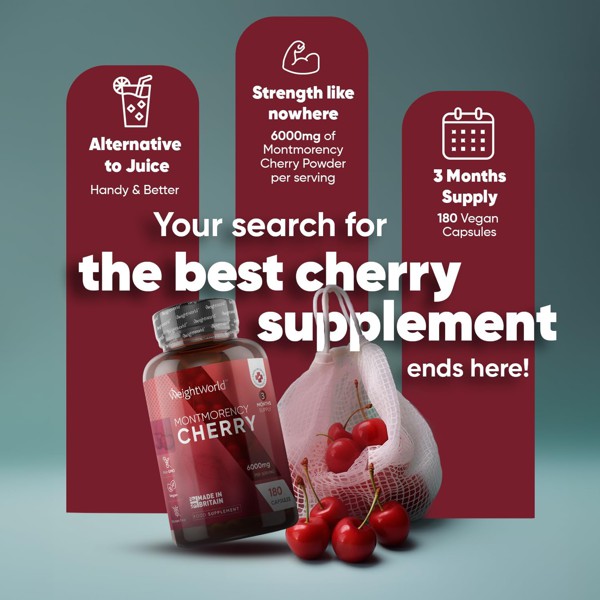
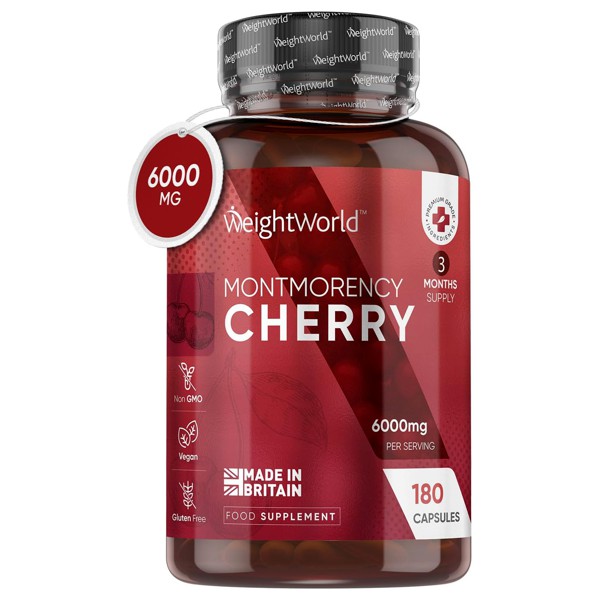
Montmorency cherries naturally contain melatonin and anti-inflammatory compounds. Research published in the European Journal of Nutrition, using tart cherry juice specifically, reported associations with increased sleep duration, improved sleep quality measures, and reduced insomnia symptom scores. Worth noting that most of this research used cherry juice rather than a concentrated extract, so dosing equivalence between the two isn’t fully established.
Fruit & Berry Extracts
3. L-Theanine
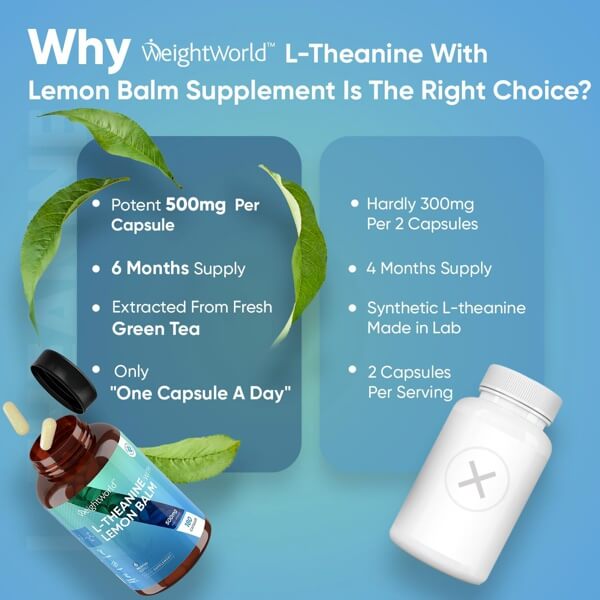
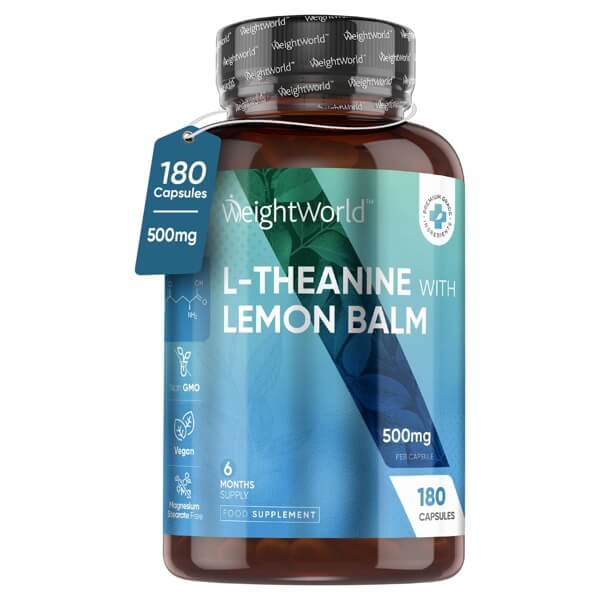
This amino acid, found in green tea, is studied for promoting relaxation without drowsiness, with research exploring a role in GABA and other calming neurotransmitter activity, stress-related hormone levels, and a subjective state some describe as “alert relaxation.”
Amino Acids
Sleep Hygiene Fundamentals
Beyond supplements, sleep hygiene has a strong, well-established evidence base for improving sleep quality: a consistent schedule with similar bed and wake times daily, including weekends; reduced blue light exposure before bed and a dark bedroom; a cool bedroom, generally around 16-18°C; white noise or earplugs if useful for you; and a mattress and pillows suited to how you sleep. These fundamentals generally have stronger, more consistent evidence behind them than any single supplement discussed above.
Final Thoughts
Rather than chasing trendy detox programmes or relying solely on pharmaceutical sleep aids, the more sustainable approach is generally supporting your body’s own processes — through nutrition, sleep hygiene, and, where appropriate, supplements with a reasonable evidence base behind them.
Supplements can complement — but never replace — good nutrition, regular activity, stress management, and proper sleep hygiene. If you have a diagnosed liver condition or a persistent sleep problem, these are conversations for your GP, not something to self-manage indefinitely with supplements.
Disclaimer: This article is for informational purposes only and does not constitute medical advice. Always consult your GP before starting any of these supplements, particularly if you have a diagnosed liver condition, take regular prescription medication (including nitroglycerin or blood-thinning medication), are pregnant, breastfeeding, or avoiding alcohol for any reason.