
Vitamin D Benefits: Why This Sunshine Nutrient Is Essential for Britons
Living in the United Kingdom comes with many advantages, but abundant sunshine isn’t typically one of them. This geographical reality has significant implications for our vitamin D levels, a crucial nutrient that plays multiple roles in maintaining optimal health. Understanding the vitamin D benefits can help UK residents make informed decisions about supplementation and dietary choices to support their wellbeing throughout the year.
What Is Vitamin D and Why Is It Important?
Vitamin D is a fat-soluble vitamin that functions more like a hormone in the body. Unlike most nutrients, our bodies can produce vitamin D when our skin is exposed to sufficient sunlight. However, factors like geographical location, season, time of day, cloud cover, and sunscreen use significantly impact this natural production process.
The sunshine vitamin plays numerous vital roles in the body:
- Supports calcium absorption and bone health
- Regulates immune system function
- Influences mood and mental health
- Supports muscle function and strength
- Contributes to cardiovascular health
- Helps regulate cell growth and reduce inflammation
Research continues to discover new vitamin D benefits, highlighting its importance beyond just bone health. With increasing evidence of widespread deficiency, particularly in northern countries like the UK, understanding how to maintain adequate levels has become a public health priority.
Vitamin D Deficiency: A Common Problem in Britain
The UK’s northern latitude means that from October to March, the sunlight lacks sufficient UVB radiation for vitamin D synthesis in the skin. This geographical reality creates a seasonal vitamin D gap for most British residents.
Public Health England acknowledges this challenge, noting that approximately 1 in 5 adults and 1 in 6 children in the UK have low vitamin D levels. The situation becomes more concerning during winter months when natural production essentially stops.
14 Signs of Vitamin D Deficiency
Recognizing potential vitamin D deficiency symptoms can help identify when supplementation might be necessary. Common indicators include:
- Frequent illness or infections
- Fatigue and tiredness
- Bone and back pain
- Depression or low mood
- Impaired wound healing
- Bone loss or osteoporosis
- Hair loss
- Muscle pain
- Joint pain or stiffness
- Reduced muscle strength
- Sleep issues
- Weight gain
- Dental problems
- Respiratory issues (including asthma symptoms)
If you experience multiple symptoms, especially during winter months, consulting with a healthcare provider about vitamin D testing may be worthwhile. A simple blood test can determine your vitamin D status and guide appropriate supplementation strategies.


Vitamins & Minerals
Vitamin D3 & K2 MK7 4000 IU Immune Support by Nutrition Geeks
Discover the benefits of Vitamin D3 and K2 MK7 with our year's supply of high-strength tablets. Support your bone health and immune system with easy-to-swallow, vegetarian-friendly supplements. Made in the UK with sustainable packaging.
The Science-Backed Vitamin D Benefits
Research continues to expand our understanding of vitamin D’s diverse roles in human health. Here’s what scientific evidence reveals about the vitamin D benefits:
Immune System Support
Vitamin D plays a crucial role in modulating both innate and adaptive immune responses. Research published in the Journal of Investigative Medicine highlights how vitamin D receptors are present on many immune cells, allowing this nutrient to influence immune function at multiple levels.
During winter months, when colds and flu are more prevalent, maintaining adequate vitamin D levels may provide additional immune support. A systematic review in the British Medical Journal found that vitamin D supplementation was safe and protected against acute respiratory infections, with the most significant benefit seen in those with severe deficiency.
Bone and Muscle Health
The relationship between vitamin D and bone health is well-established. This nutrient facilitates calcium absorption in the gut and maintains appropriate calcium and phosphate concentrations to enable normal bone mineralization.
Without sufficient vitamin D, bones can become thin, brittle, or misshapen. Research published in Osteoporosis International demonstrates that adequate vitamin D status, combined with calcium, reduces fracture risk in older adults.
For muscle function, vitamin D helps maintain muscle strength and reduce fall risk. This is particularly important for older adults, as age-related muscle loss (sarcopenia) affects many seniors and increases vulnerability to falls and fractures.
Mental Health Benefits
The connection between vitamin D and mental health continues to gain scientific attention. Studies have found associations between vitamin D deficiency and increased risk of depression, with some research suggesting that supplementation may help improve symptoms in deficient individuals.
A meta-analysis published in the Journal of Affective Disorders found that vitamin D supplementation had a moderate effect in reducing depression symptoms, comparable to antidepressant medication in some cases. This effect was more pronounced in those with clinically significant depression and lower baseline vitamin D levels.
British residents, particularly during darker winter months, may find that addressing vitamin D status helps support mood and emotional wellbeing as part of a comprehensive approach to mental health.
Cardiovascular Protection
Growing evidence suggests that vitamin D plays a role in cardiovascular health. Research published in Circulation Research indicates that vitamin D affects heart and blood vessel function through various mechanisms, including reducing inflammation, lowering blood pressure, and improving endothelial function.
While more research is needed to establish definitive causation, maintaining adequate vitamin D levels appears to support heart health as part of an overall healthy lifestyle.
How Much Vitamin D Do You Need?
The recommended daily vitamin D intake varies by age, health status, and national guidelines. In the UK, current recommendations from Public Health England include:
- Babies up to 1 year: 8.5-10 mcg (340-400 IU) daily
- Children over 1 year and adults: 10 mcg (400 IU) daily during autumn and winter months
- People with limited sun exposure: 10 mcg (400 IU) daily year-round
However, many health experts suggest these recommendations may be conservative. The Endocrine Society and other international organizations often recommend higher intakes, particularly for those at risk of deficiency or with certain health conditions.

Vitamins & Minerals
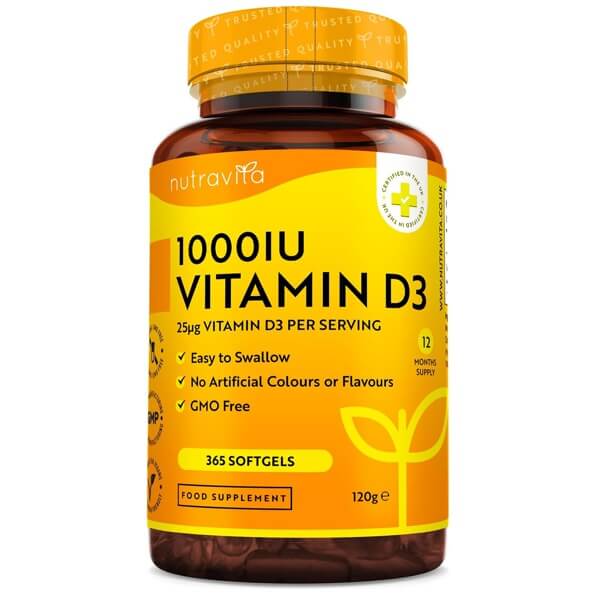
Vitamin D3 1000 IU by Nutravita 365 Softgel Capsules
Vitamin D is essential for our health as it supports the normal function of the immune system. Scientific studies show that it plays a vital role in cell division and the absorption of calcium and phosphorus, which are crucial for maintaining healthy bones and teeth.
How Much Vitamin D3 Should I Take Daily?
Vitamin D3 (cholecalciferol) is the preferred form for supplementation as it’s identical to the vitamin D produced in your skin and more effective at raising blood levels. For most adults without specific health conditions, taking 25-50 mcg (1,000-2,000 IU) of vitamin D3 daily is considered safe and may be more effective than the minimum recommended amounts.
How Much Vitamin D3 Per Day for a Woman?
Women have specific considerations regarding vitamin D needs. Research suggests women may particularly benefit from adequate vitamin D during:
- Pregnancy and breastfeeding
- Perimenopause and menopause (for bone health)
- Later life (to reduce osteoporosis risk)
While baseline recommendations remain similar to men, women during these life stages may benefit from the higher end of the safe supplementation range (25-50 mcg or 1,000-2,000 IU daily), particularly during winter months or with limited sun exposure.
Always consult with a healthcare provider before starting higher-dose supplementation, as individual needs vary based on factors like skin tone, age, weight, and existing health conditions.
Natural Sources of Vitamin D
While supplementation is often necessary in the UK climate, incorporating vitamin D-rich foods provides additional benefits and contributes to overall nutrient intake.
Vitamin D Foods to Include in Your Diet
The following foods contain notable amounts of vitamin D:
- Fatty fish (salmon, mackerel, sardines, trout)
- Egg yolks (particularly from free-range chickens)
- Mushrooms (especially those exposed to UV light)
- Fortified foods (including most UK milk alternatives, some breakfast cereals, and orange juice)
- Red meat (in smaller amounts)
- Liver (though consumption should be limited, especially during pregnancy)
Even with a diet rich in these foods, most UK residents will struggle to meet their vitamin D needs through food alone during winter months, making supplementation advisable for many.
Vitamin D Fruits and Plant Sources
Few fruits naturally contain significant vitamin D, which presents challenges for those following plant-based diets. Limited plant sources include:
- UV-exposed mushrooms
- Fortified plant milks
- Fortified breakfast cereals
- Fortified orange juice
Vegans and vegetarians in the UK should pay particular attention to their vitamin D status and consider supplementation, especially during autumn and winter.
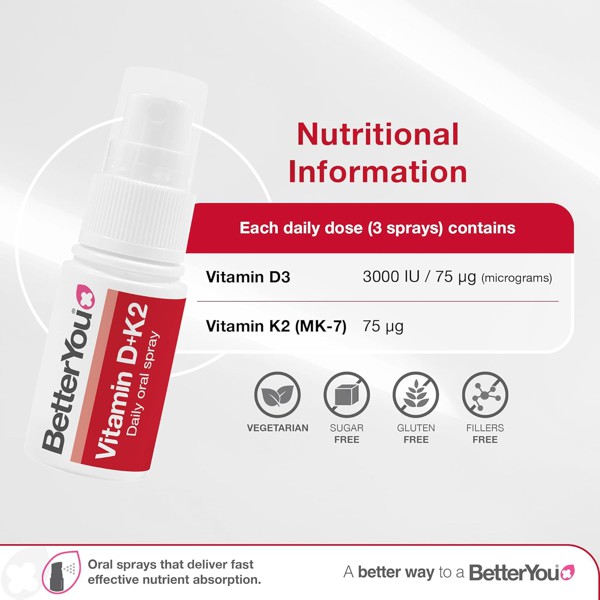
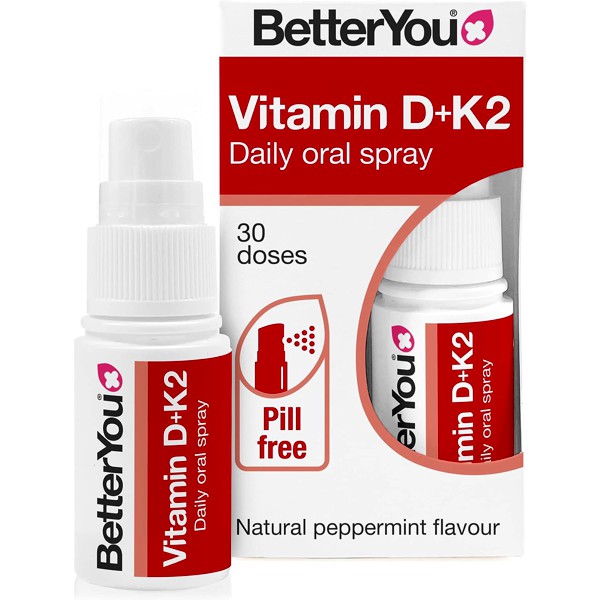
Experience fast absorption of essential vitamins with our D3 K2 Oral Spray. Delivering 3000 IU of vitamin D3 and 75μg of K2 in a refreshing peppermint flavour, this spray supports bone strength, immune function, and heart health. Simply spray inside your cheek for optimal absorption - no pills to swallow, no water needed.
Vitamin D Supplements: Options for UK Residents
With numerous supplement options available, choosing the right vitamin D product can feel overwhelming. Here’s guidance on navigating the choices:
Forms of Vitamin D Supplements
Vitamin D supplements come in several forms:
- Tablets and capsules
- Soft gels (often in oil for better absorption)
- Liquid drops
- Sprays (oral or sublingual)
- Gummies and chewables
The best form depends on personal preference, absorption needs, and lifestyle factors. Vitamin D is fat-soluble, so supplements taken with a meal containing some fat may be better absorbed.
Vitamin D2 vs D3: Which Is Better?
Research consistently shows that vitamin D3 (cholecalciferol) raises blood levels more effectively than vitamin D2 (ergocalciferol). D3 is the form naturally produced in human skin and found in animal-based foods.
Traditional vitamin D3 supplements are derived from lanolin (sheep’s wool), though vegan alternatives made from lichen are increasingly available. For most people, D3 represents the optimal choice for supplementation.
Best Vitamin D Supplement Options
When selecting a supplement, consider these factors:
- Form (D3 preferred over D2)
- Dosage (typically 25-50 mcg/1,000-2,000 IU for adults)
- Additional ingredients (some include vitamin K2, which works synergistically)
- Third-party testing for quality assurance
- Value (cost per dose)
- Allergen considerations
Vitamin D Supplements at Boots and Other UK Retailers
Boots and other UK pharmacies offer numerous vitamin D options. Popular choices at Boots include:
- Boots own-brand vitamin D supplements (various strengths)
- BetterYou vitamin D oral sprays
- Vitabiotics Ultra Vitamin D
- Holland & Barrett vitamin D3 products
- Solgar vitamin D3 supplements
Many of these products combine good value with reliable quality, making them reasonable choices for most UK residents. When in doubt, pharmacists can provide guidance based on individual needs.
Optimal Vitamin D Supplementation Strategies for UK Residents
Living in the UK requires thoughtful approaches to vitamin D supplementation due to the limited sunlight, particularly during winter months.
Seasonal Supplementation
Many health experts recommend following a seasonal approach to vitamin D supplementation in the UK:
- April to September: Spend time outdoors with some skin exposed, particularly between 11am and 3pm. Supplementation may be optional for those getting regular sun exposure without sunscreen (though sun safety remains important).
- October to March: Daily supplementation recommended for virtually all UK residents, as UVB radiation is insufficient for natural vitamin D production.
This approach aligns with the body’s natural cycles and the UK’s seasonal sunlight patterns.
Supplementation for High-Risk Groups
Certain groups should consider year-round supplementation regardless of season:
- People with darker skin tones
- Those who cover most skin when outdoors (for religious or cultural reasons)
- People who are housebound or rarely go outside
- Residents of care homes
- Those working night shifts or primarily indoors
- People with malabsorption conditions
- Individuals taking certain medications that affect vitamin D metabolism
For these groups, slightly higher supplementation levels (within safe ranges) may be appropriate.
Combining Vitamin D with Other Nutrients
Emerging research suggests that vitamin D works synergistically with other nutrients:
- Vitamin K2: Helps direct calcium to bones rather than arteries when vitamin D increases calcium absorption
- Magnesium: Required for vitamin D metabolism and activation
- Zinc: Supports vitamin D receptor function
- Boron: May help maintain vitamin D levels
Supplements combining these nutrients, particularly vitamin D with K2, have gained popularity among those seeking comprehensive bone and cardiovascular support.
Safety Considerations and Potential Interactions
While vitamin D supplementation is considered safe for most people, certain precautions warrant attention:
- Upper limits: The UK safe upper limit is generally considered to be 100 mcg (4,000 IU) daily for adults. Higher doses should only be taken under medical supervision.
- Medical conditions: People with certain conditions like sarcoidosis, some lymphomas, or primary hyperparathyroidism should use vitamin D supplements cautiously.
- Medications: Vitamin D may interact with several medications, including steroids, weight-loss drugs, and certain cholesterol-lowering medicines.
- Hypercalcemia risk: Excessive vitamin D supplementation can lead to hypercalcemia (too much calcium in the blood), though this typically requires very high doses over extended periods.
- Kidney disease: Those with kidney disease may need specialized guidance on vitamin D supplementation.
Always consult with a healthcare provider before starting high-dose vitamin D supplementation, particularly if you have existing health conditions or take medications.
The Future of Vitamin D Research
Scientific understanding of vitamin D continues to evolve. Current research areas include:
- Optimal blood levels for various health outcomes
- Personalized dosing based on genetic factors
- Role in preventing or managing specific conditions
- Impact on athletic performance and recovery
- Interactions with gut microbiome and immune function
As research progresses, recommendations may be refined to provide more personalized guidance based on individual factors beyond just geographical location.
Top-Rated Vitamin D3 & K2 MK7 Picks from Amazon
Table could not be displayed.Conclusion: Making Vitamin D a Priority for UK Health
The evidence overwhelmingly supports the importance of maintaining adequate vitamin D levels for UK residents. While our bodies are remarkably adaptable, the geographical reality of limited UVB radiation for much of the year means most Britons need conscious strategies to ensure sufficient vitamin D status.
By understanding the vitamin D benefits and implementing appropriate supplementation, particularly during autumn and winter, UK residents can support their immune function, bone health, mental wellbeing, and overall vitality throughout the year.
Whether through mindful sun exposure during summer months, consumption of vitamin D foods, or judicious supplementation, making vitamin D a health priority represents a simple yet powerful step toward optimizing wellbeing in the British climate.