
Your kidneys filter approximately 180 litres of blood daily, producing around 1.5 litres of urine. These bean-shaped organs perform essential functions: removing waste products, balancing electrolytes (sodium and potassium), regulating blood pressure, activating vitamin D for bone health, and producing hormones that stimulate red blood cell production.
When kidney or urinary tract function faces challenges (from diet, lifestyle factors, or health conditions), various issues arise: kidney stones, urinary tract infections, or reduced filtration capacity.
IMPORTANT MEDICAL NOTICE
People with chronic kidney disease should consult healthcare professionals before taking any supplements. Some supplements accumulate in the body when kidney function is impaired and cause harm. This article focuses on preventive support for healthy kidneys and urinary tract wellness, not treatment of kidney disease.
Common Urinary System Concerns
Urinary Tract Infections (UTIs): Bacterial infections affecting the bladder and urethra. Women face higher risk – nearly half experience at least one UTI in their lifetime.
Kidney Stones: Hard mineral deposits form when urine becomes concentrated. The NHS estimates 1 in 10 people develop kidney stones.
Reduced Kidney Function: Diabetes, high blood pressure, and certain medications affect kidney performance over time.
Fluid Retention: Inefficient fluid removal leads to swelling in ankles, feet, and legs.
Evidence-Based Supplements for Urinary Health
Proper hydration and balanced nutrition form the foundation. Specific supplements provide targeted support for urinary tract wellness and UTI prevention.
D-Mannose
D-Mannose is a simple sugar found naturally in some fruits. Unlike antibiotics, D-Mannose prevents bacteria from adhering to urinary tract walls.

Fruit & Berry Extracts
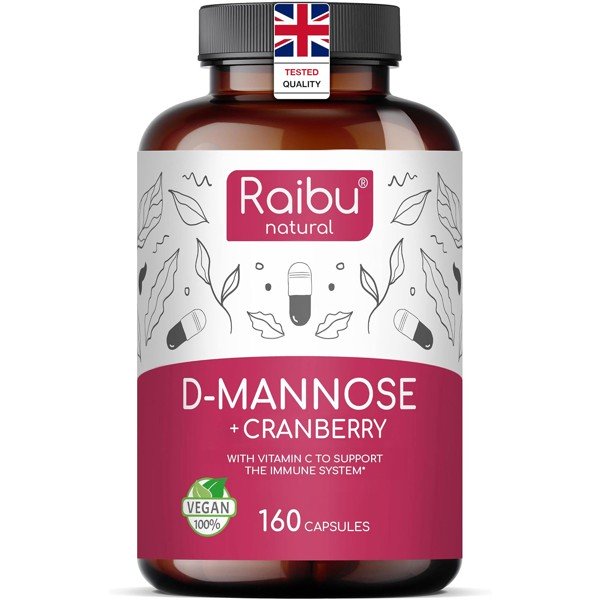
D-Mannose with Cranberry Strength Complex 2100mg 160 Capsules by Raibu
Natural urinary tract support combining 1000mg pure D-mannose with 200mg cranberry extract. This powerful formula helps maintain urinary health and provides comfort when needed most. High-quality, vegan-friendly supplement made in the UK without unnecessary additives.
Research shows D-Mannose reduces bacterial adhesion and replication in the bladder and urinary tract lining, aiding removal through urine. This mechanism helps prevent recurring UTIs without contributing to antibiotic resistance.
How it works: E. coli bacteria (responsible for most UTIs) bind to D-Mannose instead of urinary tract walls, allowing the body to flush them out naturally.
Typical dosage: 2000mg daily for prevention, higher doses for acute support.
Cranberry Extract
Cranberries contain proanthocyanidins (PACs) that prevent bacteria from attaching to urinary tract lining.
Fruit & Berry Extracts
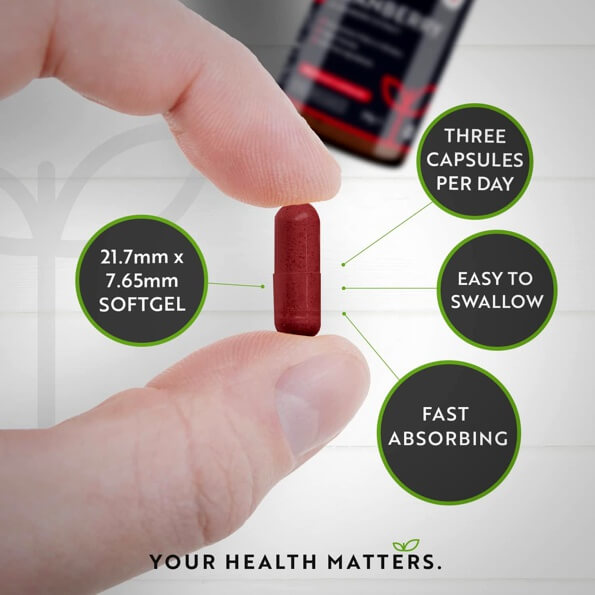
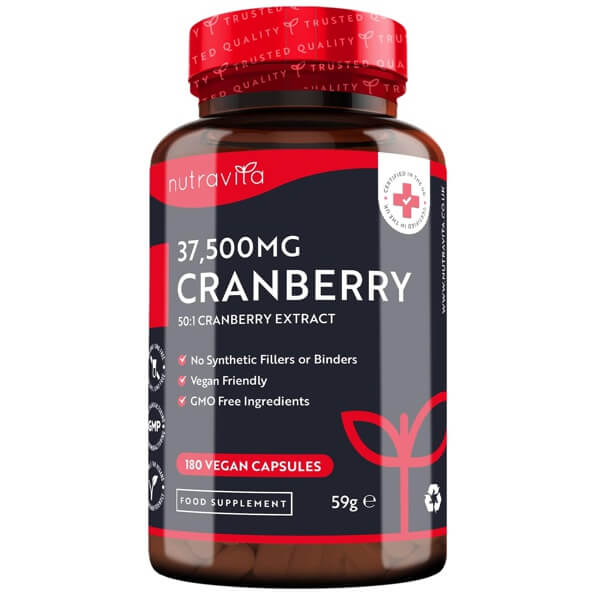
Cranberry Max Strength by Nutravita 180 Vegan Capsules
Cranberries are highly nutritious superfoods packed with natural benefits. This nutrient-rich fruit contributes to an overall healthier lifestyle and supports general well-being. Our high-quality Cranberry fruit extract in convenient capsules makes it easier to enjoy its many benefits without the sour taste.
Cranberry Max Strength by Nutravita provides concentrated extract equivalent to 37.5g of fresh cranberries per capsule. This formulation delivers PACs without the high sugar content of cranberry juice (which feeds bacteria and raises blood sugar).
Evidence: Multiple studies support cranberry’s role in reducing UTI recurrence, particularly for women with frequent infections.
Nettle Leaf
Stinging nettle has traditional use in British herbalism for supporting kidney function and reducing water retention.
Research indicates Nettle Leaf #ad supports the excretory function of kidneys. The plant contains compounds that increase urine flow and reduce urinary tract inflammation.
Forms available:
- Organic nettle leaf tea (Viridian) – gentle daily option
- Nettle Leaf capsules (Lifeplan) – concentrated supplement form
Note: Nettle affects fluid balance. People taking diuretics or blood pressure medications should consult their GP before use.
Vitamin B6 and Magnesium for Kidney Stone Prevention
Magnesium reduces kidney stone risk through its calcium antagonistic effect, helping regulate calcium levels and preventing stone formation.

Vitamins & Minerals
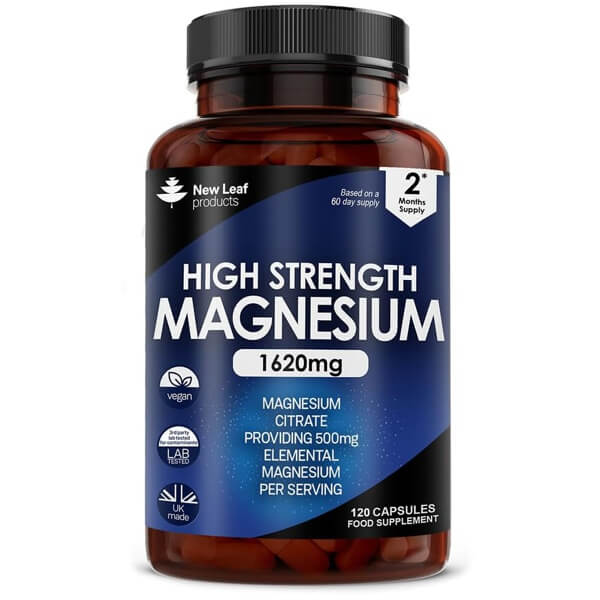
Magnesium Citrate 1620mg 500mg Elemental 2 Months Supply by New Leaf
Magnesium citrate stands out as a highly bioavailable form of essential magnesium supporting multiple body functions. This guide explores how it contributes to bone health, muscle function, sleep quality, and digestive regularity while comparing it with magnesium glycinate and outlining potential side effects for informed supplementation choices.
This combination works specifically for calcium oxalate stones (the most common type, accounting for 80% of kidney stones).
Mechanism:
- Vitamin B6 reduces urinary oxalate excretion
- Magnesium binds to oxalate in the gut, preventing absorption
- Together they reduce stone formation risk
Typical dosages:
- Vitamin B6: 50-100mg daily
- Magnesium: 300-400mg daily
Important: High-dose vitamin B6 (above 100mg daily) requires medical supervision to avoid nerve damage.
Omega-3 Fatty Acids
Research shows omega-3 supplementation produces a 42% decrease in inflammatory markers during stage 2 CKD compared to 28% in stage 3, suggesting early supplementation provides better results.
Omega-3s (EPA and DHA) support kidney health through:
- Reducing inflammation
- Supporting healthy blood pressure
- Protecting kidney tissue from oxidative stress
Quality matters: Look for supplements specifying EPA and DHA content. Sustainable sources include algae-based options for vegetarians.
Omega-3 & Fatty Acids
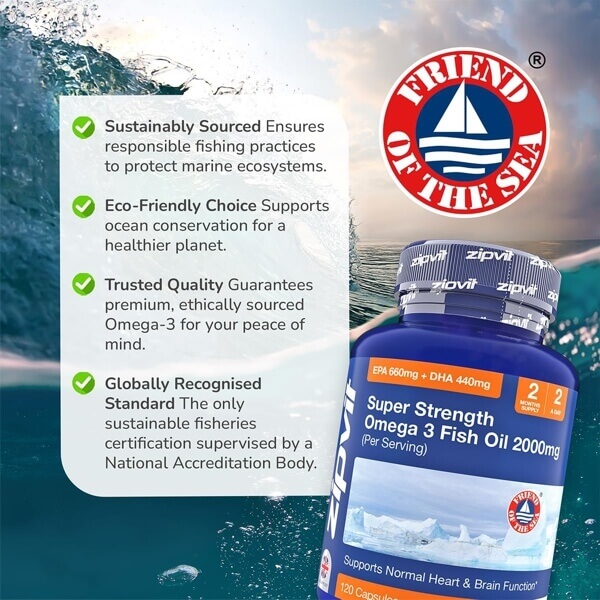
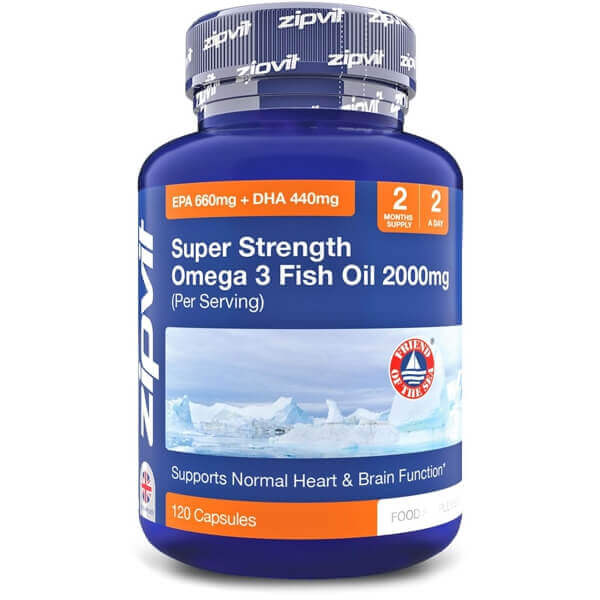
Omega-3 Fish Oil 2000mg, EPA 660mg DHA 440mg 120 Capsules by Zipvit
Experience the remarkable benefits of our premium Omega 3 Fish Oil with 2000mg per serving. Each daily dose delivers 660mg EPA and 440mg DHA – up to 3 times stronger than competing brands. Our UK-made capsules support heart health, enhance brain function, and maintain healthy vision. Enjoy two months' supply in one convenient 120-capsule bottle, backed by our quality guarantee.
Lifestyle Factors for Kidney Function
Supplements work alongside healthy practices:
Hydration: Aim for 2 litres daily. Light yellow or clear urine indicates adequate hydration; darker urine signals dehydration.
Salt Intake: The average Briton consumes 8.4g daily – well above the NHS recommendation of 6g. Excess sodium strains kidneys and raises blood pressure.
Blood Pressure Monitoring: High blood pressure links intrinsically with poor organ health and increases risks of developing heart or kidney disease. Regular monitoring catches issues early.
Alcohol Limits: Follow UK guidelines: maximum 14 units weekly, spread over several days.
Regular Exercise: Physical activity maintains healthy blood pressure and circulation, benefiting kidney function.
Protein Balance: High-protein diets strain kidneys, which work harder to filter protein waste. Balance protein intake with your activity level and health status.
Implementation Strategy
Start with prevention:
- Drink adequate water throughout the day
- Consider cranberry extract or D-Mannose if you experience recurring UTIs
- Address kidney stone risk with magnesium and B6 if you have history of stones
Track your response:
- Monitor urination patterns
- Note any changes in frequency, colour, or comfort
- Keep a simple symptom diary
Timing matters:
- Take supplements with food to improve absorption
- Space doses throughout the day for water-soluble nutrients (B vitamins, vitamin C)
- Consistency matters more than timing for preventive supplements
When to Seek Medical Advice
Consult your GP immediately if you experience:
- Persistent pain in the back near kidneys
- Changes in urination patterns, colour, or odour
- Blood in urine
- Swelling in hands, feet, or face
- Unexplained fatigue
- Fever with urinary symptoms
NHS kidney function tests (blood and urine) are readily available through your GP. Testing is particularly necessary if you have diabetes, high blood pressure, or family history of kidney disease.
Supplement Safety Considerations
Who should avoid kidney supplements:
- People with diagnosed chronic kidney disease (without medical supervision)
- Those taking immunosuppressants or blood thinners
- Individuals with potassium restrictions
- Anyone with kidney transplant (without nephrologist approval)
Potential interactions:
- D-Mannose: Generally safe, may affect blood sugar monitoring
- Cranberry: Avoid with warfarin (blood thinner)
- Nettle: Interacts with diuretics and blood pressure medications
- Magnesium: Affects absorption of certain antibiotics
Quality standards: Look for supplements manufactured to GMP (Good Manufacturing Practice) standards. Reputable UK brands include Nutravita, Viridian, and Lifeplan.
Best-Selling Omega 3 Supplements on Amazon UK
Table could not be displayed.Taking Action
Supporting kidney and urinary tract health combines hydration, balanced nutrition, targeted supplements, and regular medical monitoring.
Start small:
- Increase water intake by one glass daily
- Add one preventive supplement based on your specific needs
- Track changes over 4-6 weeks
- Adjust based on results
Choose supplements based on your situation:
- Frequent UTIs: D-Mannose + Cranberry Extract
- Kidney stone history: Magnesium + Vitamin B6
- General kidney support: Omega-3 + adequate hydration
- Water retention: Nettle Leaf (with medical clearance)
Remember: supplements support health, they do not replace medical treatment. Before starting any supplement regimen (particularly with existing kidney conditions or medications), consult your healthcare provider for personalised guidance.
Your kidneys work continuously to keep you healthy. Give them the support they deserve.