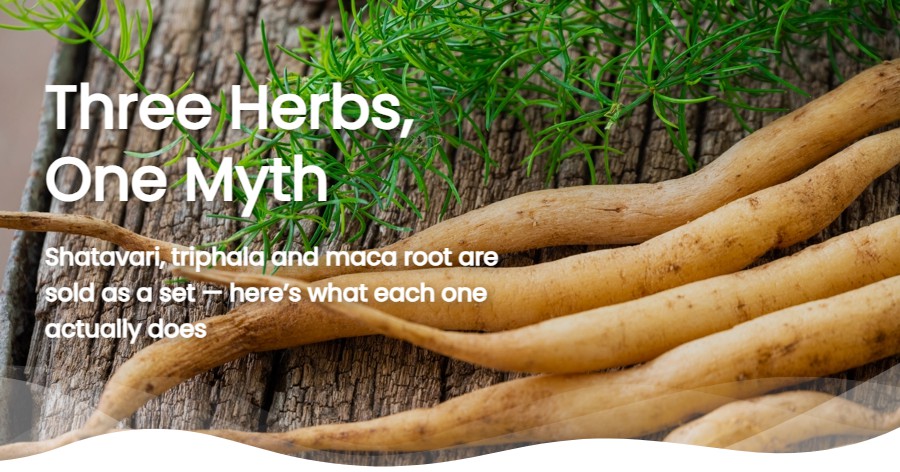
Shatavari, triphala and maca root are frequently bundled together as “women’s wellness” herbs, but they don’t actually do the same job. Here’s what UK-relevant research supports for each one individually — and the specific claims worth reading with caution.
Ruslan Paryhin, Founder of VitMax UK
A medical education from Dnipro State Medical University gives me a grounded understanding of physiology, pharmacology basics, and how supplements interact with the body — knowledge I apply when researching and fact-checking every guide published on VitMax.
With over nine years of hands-on experience in the health and wellness e-commerce space, I've managed large product catalogues, worked directly with supplement formulations and ingredient sourcing, and built VitMax UK to help British readers make informed, evidence-based decisions about supplements — free from hype or unproven claims.
Every article on VitMax is checked against current research and UK/EU regulatory guidance before publication.
Connect with me on LinkedIn, or send me a message via the contact page.

Ruslan Paryhin
Founder of VitMax UK
All Guides
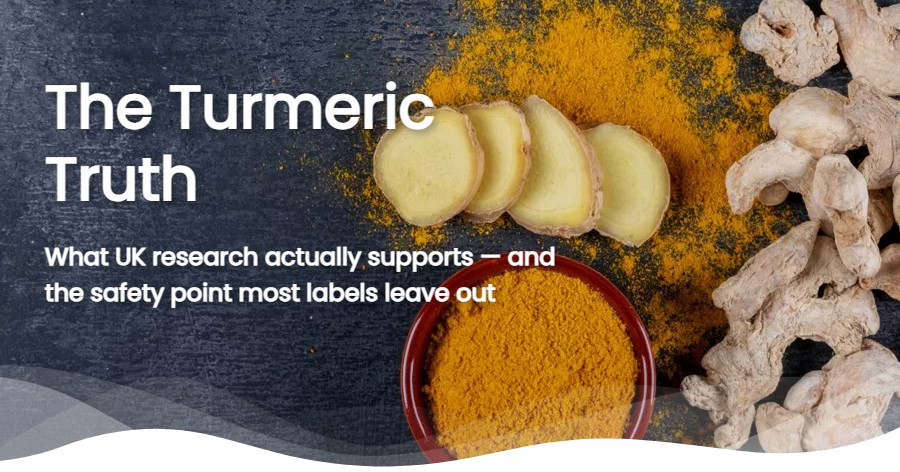
Turmeric supplements are everywhere, but not all of them are the same thing — whole turmeric powder and concentrated curcumin extract carry different doses and different risks. Here’s what UK research actually supports, plus a liver safety point that most product listings leave out entirely.

A research-based comparison of three popular adaptogens — how ashwagandha, rhodiola and holy basil differ in effects, onset time, and safety considerations.
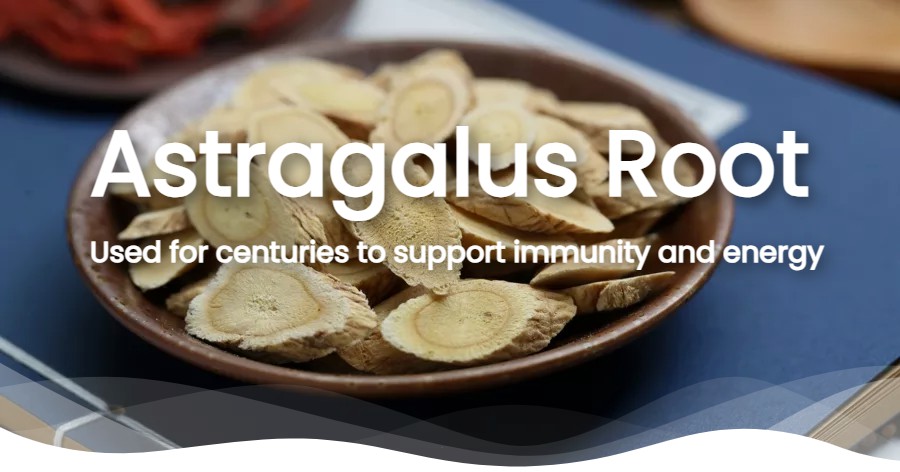
What astragalus root is, what early research says about its traditional uses, and what to know about safety and interactions before trying it.
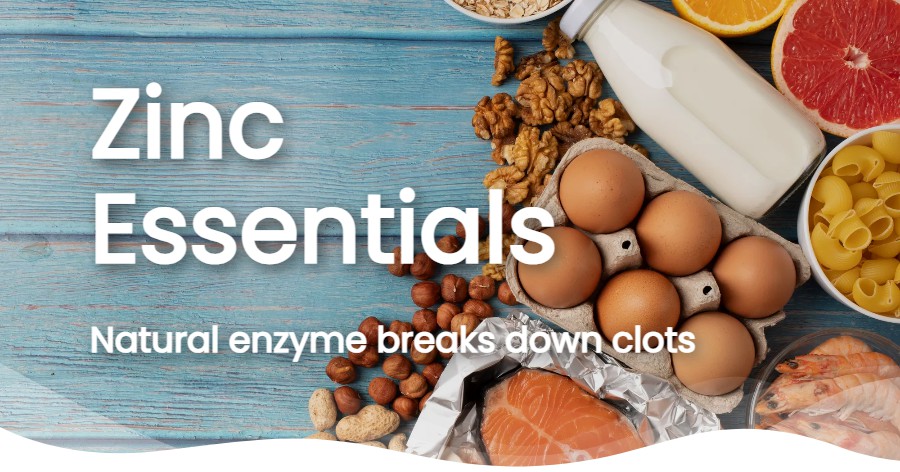
What zinc actually does in the body, who’s most likely to be deficient, and how to choose and dose a supplement safely.

Folic acid vs methylfolate: what NHS, NICE and UKTIS guidance actually says — including why folic acid, not methylfolate, remains the evidence-backed standard for pregnancy.