
Understanding Chronic Inflammation
Chronic inflammation drives numerous health conditions. Heart disease, Type 2 diabetes, rheumatoid arthritis, inflammatory bowel disease, Alzheimer’s disease, and respiratory conditions all share this common link.
Research shows chronic inflammation differs from acute inflammation (the helpful response when you injure yourself). Chronic inflammation persists when the immune system stays activated without an immediate threat, leading to tissue damage over time.
Your immune system affects:
- Cardiovascular function
- Blood sugar regulation
- Joint health
- Digestive system
- Brain function
- Respiratory health
The encouraging news: diet and targeted supplements make measurable differences. Clinical evidence supports this approach.
Foods That Reduce Inflammation
Focus on whole foods that calm inflammatory responses. The Mediterranean eating pattern demonstrates consistent benefits across multiple studies.
Foods to Emphasise
Colourful Produce Berries, cherries, leafy greens, and orange vegetables (such as sweet potatoes) contain antioxidants that combat oxidative stress. Blueberries, apples, Brussels sprouts, cabbage, broccoli, and cauliflower provide natural compounds that help protect against inflammation. Aim for five portions daily.
Omega-3 Sources Oily fish (salmon, mackerel), walnuts, and flaxseeds supply omega-3 fatty acids. Extra virgin olive oil contains oleocanthal, a compound with effects similar to ibuprofen but without gastrointestinal side effects.
Whole Grains Brown rice, quinoa, barley, and oats provide fibre and nutrients. High dietary fibre intake associates with lower levels of inflammatory markers IL-6 and TNF-alpha. These grains stabilise blood sugar levels.
Nuts and Seeds Almonds and other nuts associate with reduced cardiovascular disease and diabetes risk. A small handful provides healthy fats and fibre that help moderate inflammatory responses.
Herbs and Spices Turmeric, ginger, cinnamon, and garlic contain compounds that block inflammatory pathways. These additions enhance both flavour and health benefits.
Foods to Limit
Refined Carbohydrates White bread and pastries spike blood sugar and trigger inflammation. Choose wholemeal alternatives.
Processed Meats These products increase inflammatory markers. Limit consumption to occasional use.
Added Sugars Simple sugars and refined carbohydrates should be minimised. Check labels for hidden sugars in processed foods.
Trans Fats Still present in some processed foods. Avoid “partially hydrogenated oils” on ingredient lists.
Excess Alcohol Moderate consumption (one glass) differs significantly from excessive intake. Balance matters.
Supplements for Targeted Support
Diet forms the foundation. Supplements provide additional support for those managing inflammatory conditions.
Omega-3 Fatty Acids
Fish consumption isn’t feasible for everyone. Quality supplements help bridge this gap.
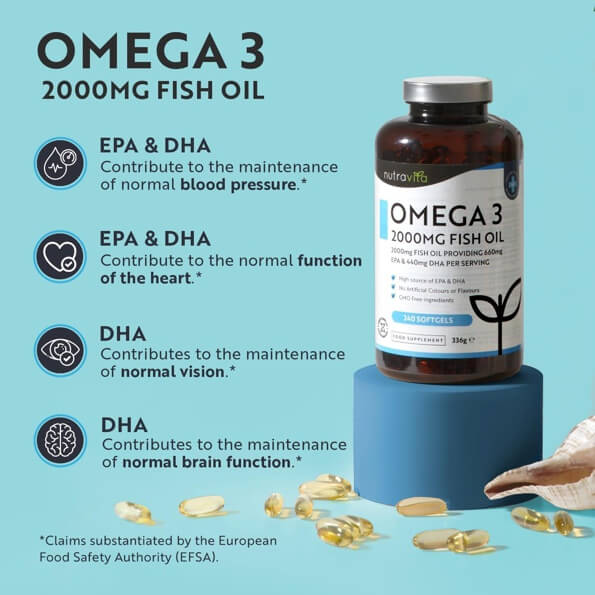
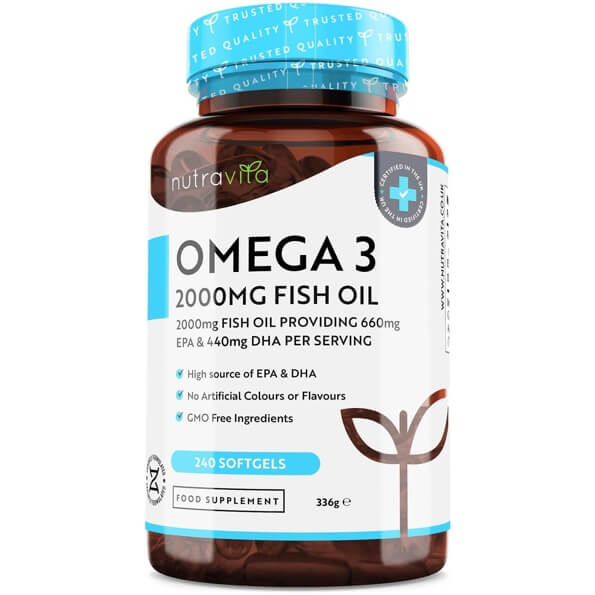
Omega-3 & Fatty Acids
Omega 3 High Strength 2000mg Pure Fish Oil 240 Capsules
Each daily dose of our premium Omega 3 Fish Oil supplement delivers high-potency Essential Fatty Acids—Eicosapentaenoic Acid (EPA) and Docosahexaenoic Acid (DHA). These acids contribute to the maintenance of various body functions, most importantly the normal function of the heart.
Look for products specifying EPA and DHA content. Seven Seas Pure Cod Liver Oil provides these essential omega-3s.
Turmeric/Curcumin
Curcumin, a constituent of turmeric, shows significant benefits in multiple studies. The body absorbs curcumin poorly without enhancement.
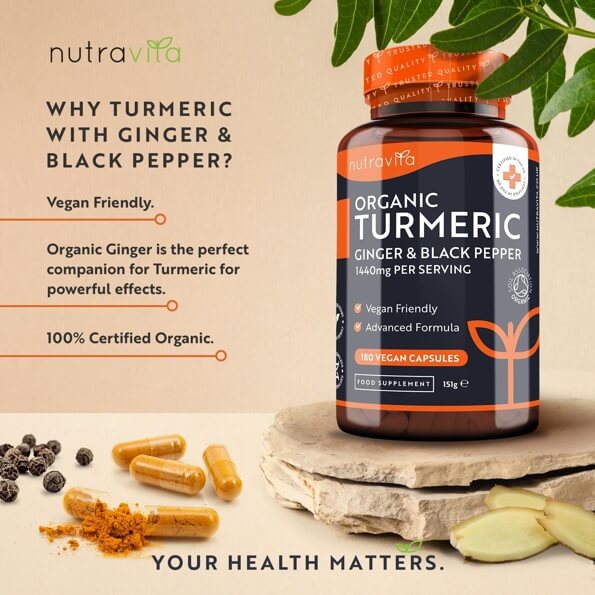
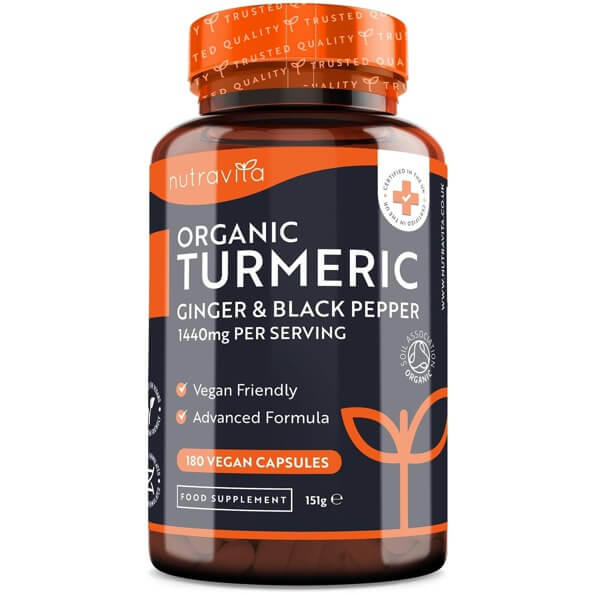
Traditional Herbs
Organic Turmeric with Black Pepper & Ginger 180 Vegan Caps
Our capsules contain Turmeric powder enriched with Organic Black Pepper (Piperine) and Organic Ginger, to increase the absorption of Curcumin (active ingredient in Turmeric). Furthermore, our supplements are vegan and vegetarian-friendly, contain NO excipients, fillers or binders; we only use ingredients which are sustainably sourced, non-GMO and allergen-free.
Pukka Wholistic Turmeric includes black pepper extract (piperine) to increase absorption significantly.
Probiotics
Gut health influences immune function. The microbiome and inflammation connect in ways research continues to reveal.


Digestive Health
Bio Cultures Complex Probiotics 77B CFU 60 Capsules by WeightWorld
Our premium Probiotics and Prebiotics supplement delivers an impressive 77 billion CFU with 20 diverse bacterial strains including Lactobacillus Acidophilus, Gasseri, Rhamnosus and Reuteri. Enhanced with organic prebiotic inulin and FOS powder in delayed-release capsules for maximum effectiveness. Vegan-friendly, gluten-free and manufactured in the UK under strict GMP guidelines.
Bio-Kult helps maintain healthy bacterial balance, supporting immune regulation.
Vitamin D
Britain’s limited sunshine means most people need supplementation, particularly during autumn and winter months.


Vitamins & Minerals
Vitamin D3 & K2 MK7 4000 IU Immune Support by Nutrition Geeks
Discover the benefits of Vitamin D3 and K2 MK7 with our year's supply of high-strength tablets. Support your bone health and immune system with easy-to-swallow, vegetarian-friendly supplements. Made in the UK with sustainable packaging.
Vitamin D3 & K2 by Nutrition Geeks provides optimal levels of this inflammation regulator. D3 combined with K2 enhances effectiveness.
Green Tea Extract
Green tea polyphenols associate with reduced C-reactive protein (CRP) in clinical studies. The compound EGCG shows particular promise in reducing inflammatory markers. Supplements offer a convenient alternative if you dislike the taste.
Implementation Strategy
Individual responses vary. What works for one person requires adjustment for another.
Start with dietary changes before adding supplements. This approach helps you identify what provides benefit.
Try one supplement at a time. Wait 4-6 weeks before assessing results or adding another.
Track symptoms using a simple diary. Note changes in:
- Energy levels
- Joint comfort
- Digestive function
- Sleep quality
- General wellbeing
Consult your GP before making significant changes, particularly if you take medications. Some supplements interact with pharmaceutical drugs.
Allow time for results. Your body needs weeks or months to respond to dietary changes.
Beyond Nutrition
Diet and supplements form part of a comprehensive approach:
- Regular physical activity (walking counts)
- Sleep duration of 7-9 hours
- Stress management techniques
- Healthy weight maintenance
- Tobacco smoke avoidance
These factors work together to reduce inflammatory burden.
Best-Selling Omega-3 Supplements on Amazon UK
Table could not be displayed.Taking Action
Chronic inflammation responds to lifestyle modifications. You have control over multiple factors that influence inflammatory processes.
Start small: swap white bread for wholemeal tomorrow. Add berries to breakfast. Choose one new anti-inflammatory food each week.
Small, consistent changes accumulate into significant health improvements over time.
Consult healthcare professionals before making major changes, especially with existing conditions or medications. This guidance informs rather than replaces medical advice.
Note: Track your progress. Notice how your body responds. Adjust your approach based on results.