
Managing Blood Sugar with Top Supplements
Living with diabetes means making informed choices daily. Medication and lifestyle changes form the foundation. Certain supplements offer additional support for healthy blood sugar levels.
Understanding Diabetes: A Growing Concern in the UK
Diabetes affects over 5.8 million people across the UK, with numbers rising yearly. This metabolic condition occurs when your body struggles to regulate blood glucose properly.
Type 1 vs Type 2: Different Paths, Same Challenge
Type 1 diabetes is an autoimmune condition where the pancreas produces little to no insulin. Those with Type 1 require insulin therapy for life. The condition typically develops in childhood or adolescence.
Type 2 diabetes accounts for about 90% of UK cases. The body becomes resistant to insulin or produces insufficient amounts. Genetics play a role, but diet, physical activity, and weight significantly influence development.
Gestational diabetes temporarily affects some women during pregnancy. The condition typically resolves after childbirth but indicates higher risk for Type 2 later.
The Role of Supplements in Diabetes Management
Currently there is insufficient scientific evidence to suggest that any dietary supplements help prevent or manage diabetes unless there is a known deficiency. Diabetes UK does not recommend herbal remedies and supplements as there is not enough evidence that they are safe and effective.
However, emerging research suggests certain natural compounds complement conventional treatment by supporting:
- Improved insulin sensitivity
- Enhanced glucose metabolism
- Reduced inflammation
- Protection against diabetes-related complications
Important: Always consult your GP or diabetes specialist before adding supplements. Some combinations with insulin or diabetes medications cause dangerous drops in blood sugar.
Top Supplements for Blood Sugar Management
1. Chromium Picolinate
Chromium picolinate has significant effects on insulin levels and improves blood sugar metabolism in those with type 2 diabetes. Studies suggest 200-1000mcg chromium as chromium picolinate improves blood glucose control.
Chromium enhances insulin’s action in the body. The trace mineral improves glucose tolerance and reduces insulin resistance.
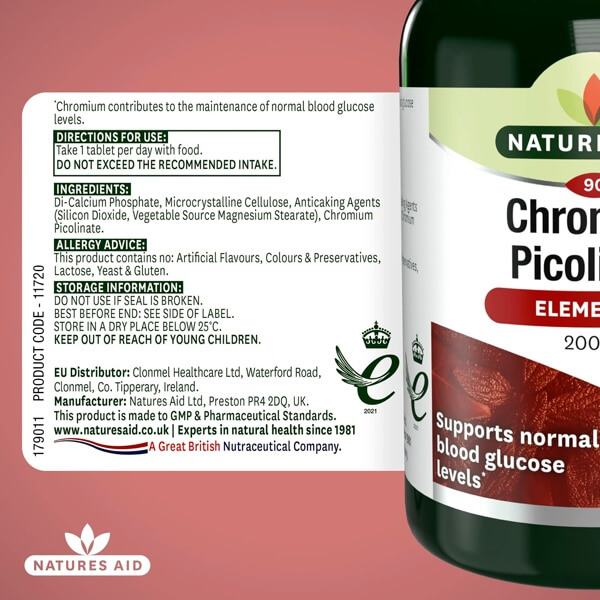
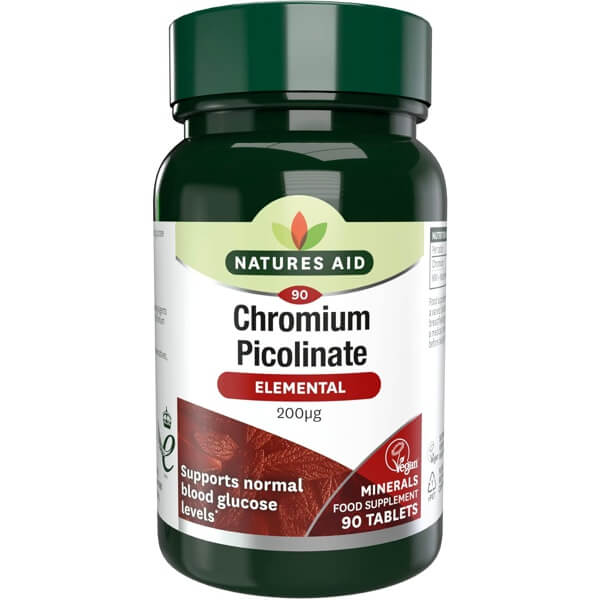
Natures Aid Chromium Picolinate offers a quality option for incorporating this mineral into your routine. The UK’s recommended daily allowance ranges from 200-1000mcg for blood sugar concerns.
Vitamins & Minerals
Chromium Picolinate 200ug by Natures Aid 90 Tablets
High Strength Supplement Support for Healthy Blood Glucose Level & Reducing Sugar Cravings, Vegan, Vegetarian, Gluten Free, Not Gummies or Capsules. Chromium affects insulin levels it is recommended that diabetics should only supplement with chromium after consultation with, and under the supervision of, a doctor.
2. Alpha-Lipoic Acid (ALA)
ALA is a versatile antioxidant that helps diabetic neuropathy and reduces pain from free-radical damage. Studies link ALA to decreased insulin resistance and blood sugar control.
This antioxidant is both fat and water-soluble, working throughout the body. Research indicates ALA improves insulin sensitivity and reduces oxidative stress linked to diabetes complications.
Alpha-Lipoic Acid supplements benefit those experiencing diabetes-related nerve discomfort. Typical dosages range from 300-600mg daily.

Immunity & Antioxidants
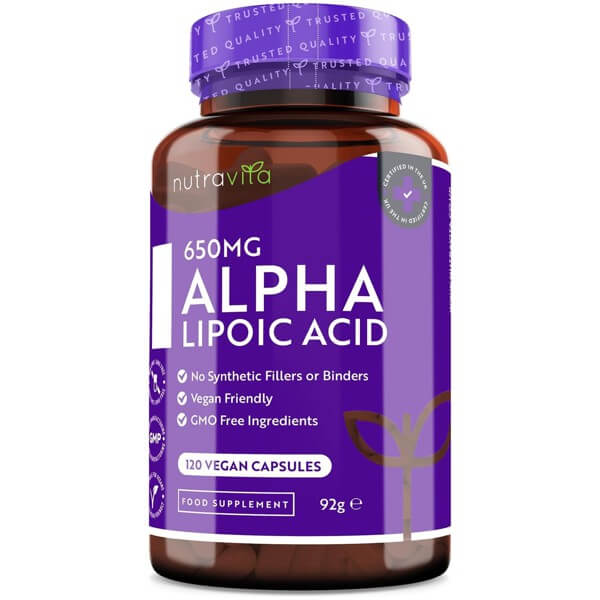
Alpha-Lipoic Acid 650mg 120 Vegan Capsules 4 Month Supply by Nutravita
Discover the remarkable benefits of Alpha Lipoic Acid with our high-strength 650mg supplement. This powerful antioxidant supports nerve health, helps maintain healthy blood sugar levels, and fights free radicals. With 120 vegan-friendly capsules providing a 4-month supply, our premium ALA supplement delivers exceptional quality and value for your wellness journey.
3. Cinnamon Extract
Ceylon Cinnamon #ad contains numerous antioxidants, which help the body reduce oxidative stress. Oxidative stress is implicated in chronic disease development.
Studies suggest cinnamon compounds act similarly to insulin, helping glucose enter cells while improving insulin sensitivity.
Ceylon Cinnamon supplements are preferred over Cassia cinnamon for long-term use due to lower coumarin content. Look for standardised extracts for consistent potency.
4. Berberine
Berberine has garnered attention for significant effects on blood glucose. Research suggests the compound improves insulin sensitivity and reduces glucose production in the liver.
Berberine supplements typically come in 500mg capsules. Common protocols involve 1-1.5g daily, divided into 2-3 doses with meals.

Herbal Supplements
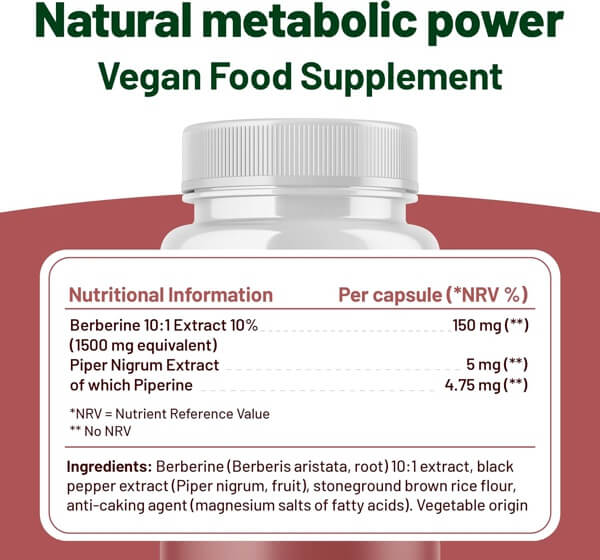
Berberine Extract High Strength 1500mg 60 Capsules by Vegan Vitaliy
Discover our high-strength berberine supplement with enhanced absorption from black pepper extract. Each vegan capsule delivers 500mg of pure berberine HCl to support healthy blood sugar levels, weight management, and cardiovascular health. UK-made with premium ingredients for those seeking natural metabolic support.
5. Magnesium
Magnesium deficiency is common among people with diabetes. Magnesium deficiency directly influences blood sugar control in type 2 diabetics, interrupting insulin secretion and increasing insulin resistance.
Many Britons lack this essential mineral. Magnesium plays a crucial role in glucose metabolism and insulin sensitivity.
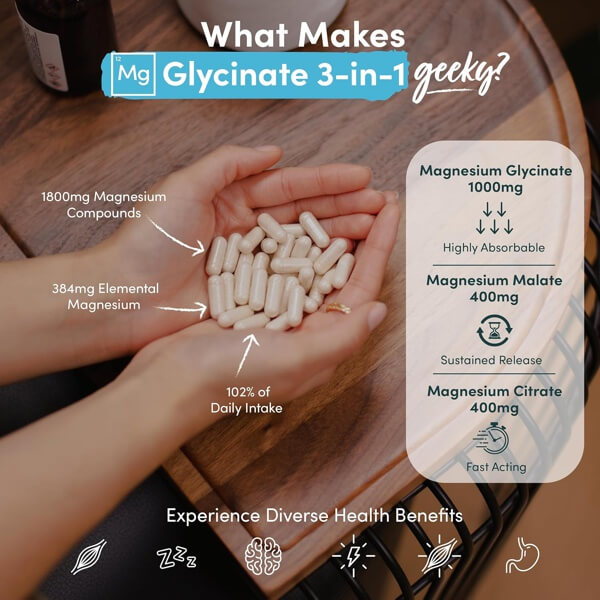
Magnesium Glycinate or Citrate forms are better absorbed and gentler on digestion than oxide forms. The UK recommended daily allowance is 300mg for men and 270mg for women.

Vitamins & Minerals
Magnesium Glycinate 1800mg Complex 90 Capsules by Nutrition Geeks
Experience the benefits of our Magnesium Glycinate 3-in-1 Complex, featuring 1800mg of magnesium compounds in a highly absorbable formula. This vegan-friendly supplement supports muscle relaxation, energy levels, and overall well-being. Each pack contains 90 capsules, providing a convenient and sustainable solution for your daily magnesium needs.
Beyond Supplements: Holistic Approaches to Diabetes Management
Supplements work best alongside proven strategies:
Balanced nutrition: Focus on low-glycaemic foods, plenty of vegetables, moderate protein, and healthy fats
Regular physical activity: Aim for at least 150 minutes of moderate exercise weekly
Weight management: Even modest weight loss significantly improves insulin sensitivity
Stress reduction: Chronic stress elevates blood glucose; mindfulness practices help
Adequate sleep: Poor sleep disrupts glucose regulation and increases insulin resistance
When to Consult a Healthcare Professional
Always work with your healthcare team when making changes to your diabetes management plan. Seek immediate medical attention if you experience:
- Unexplained changes in blood glucose readings
- Symptoms of hypoglycaemia (low blood sugar)
- Signs of hyperglycaemia (high blood sugar) that don’t respond to treatment
- Concerning side effects from supplements or medications
Best-Selling Berberine Supplements on Amazon UK
Table could not be displayed.Final Thoughts
Supplements offer valuable support for diabetes management, but work best as part of a comprehensive strategy. Proper medical care, balanced nutrition, regular physical activity, and healthy lifestyle choices form the foundation.
Taking a holistic approach to blood sugar management and working closely with healthcare providers helps many people with diabetes maintain better glucose control and reduce long-term complication risks.
Disclaimer: This article is for informational purposes only and should not replace professional medical advice. Always consult your GP or diabetes specialist before starting any supplement regimen.