Your Hidden Health Ally for Immunity and Wellbeing
Trillions of microorganisms living in your digestive tract influence immunity, mood, and overall health. The gut microbiome has emerged as one of the most studied areas of health research, with scientists discovering profound impacts on virtually every aspect of wellbeing.
What Is Your Gut Microbiome?
The gut microbiome refers to the community of bacteria, fungi, viruses, and other microorganisms residing primarily in your large intestine. This ecosystem weighs approximately 2kg and contains more than 1,000 different species of bacteria.
These microbes actively participate in your health. They’re not passive inhabitants.
How Your Gut Microbiome Influences Your Health
Immunity: Your First Line of Defence
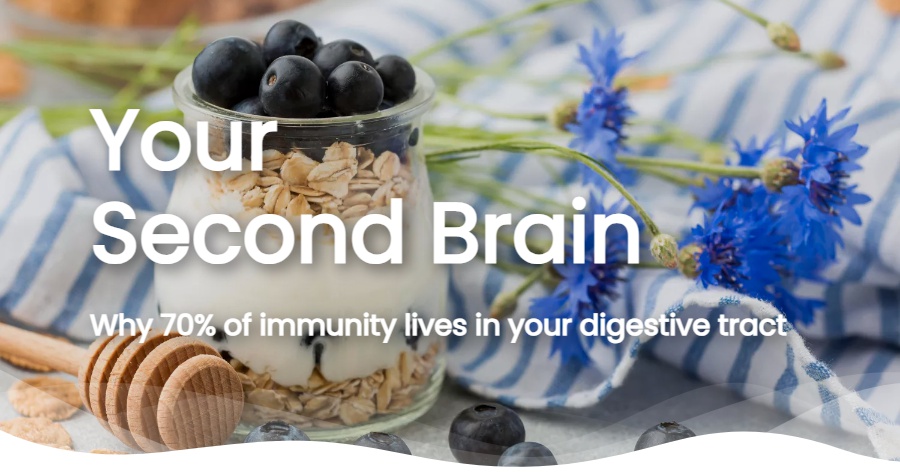
Up to 70% of your immune system can be found in the gut. These microorganisms train your immune system to distinguish between harmful invaders and beneficial substances.
A diverse and balanced gut microbiome helps:
- Strengthen barrier function in the intestinal lining
- Regulate inflammatory responses
- Produce antimicrobial compounds that fight pathogens
- Support production of immune cells
Research published in the British Journal of Nutrition suggests people with more diverse gut bacteria typically experience fewer respiratory infections and recover more quickly when ill.
The Gut-Brain Connection: Your Second Brain
The profound connection between gut and brain is called the “gut-brain axis.” Your microbiome communicates with your brain through neural, immune, and hormonal pathways, significantly influencing:
- Mood regulation
- Stress response
- Anxiety levels
- Cognitive function
Scientists at Oxford University discovered that certain beneficial bacteria increase levels of serotonin and GABA – neurotransmitters needed for mood regulation and mental wellbeing. This explains why digestive discomfort often coincides with feelings of anxiety or low mood.
Overall Wellbeing: Beyond Digestion
A thriving gut ecosystem also supports:
- Nutrient absorption and metabolism
- Healthy weight management
- Balanced hormone levels
- Better sleep quality
- Skin health
- Heart health
Signs of an Unhealthy Gut Microbiome
Common indicators your gut microbiome needs attention:
- Frequent digestive discomfort (bloating, gas, constipation, diarrhoea)
- Food intolerances
- Unexplained fatigue
- Frequent infections
- Skin problems like eczema
- Mood fluctuations and brain fog
- Sugar cravings
Best-Selling Microbiome Supplements on Amazon UK
Table could not be displayed.Restoring Balance: Prebiotics and Probiotics
You improve your gut microbiome through targeted nutrition and supplementation.
Prebiotics: Feeding Your Friendly Bacteria
Prebiotics are specialised plant fibres that act as food for beneficial bacteria. They help good microbes thrive and multiply, creating a healthier gut environment.
Excellent natural sources include:
- Onions, garlic, and leeks
- Jerusalem artichokes
- Asparagus
- Bananas
- Oats
- Apples
For easy daily use, high-quality prebiotic supplements provide concentrated benefits. Inulin Prebiotic Fibre Powder dissolves easily in water or smoothies and supports beneficial Bifidobacteria growth.
Probiotics: Introducing Beneficial Microbes
Probiotics are live bacteria and yeasts promoted as having various health benefits. They’re usually added to yoghurts or taken as food supplements, and are often described as “good” or “friendly” bacteria.
There’s some evidence that probiotics may be helpful in some cases, such as helping to ease some symptoms of irritable bowel syndrome (IBS).
Good dietary sources include:
- Live yoghurt with active cultures
- Kefir
- Sauerkraut
- Kimchi
- Kombucha
For therapeutic support, multi-strain probiotic supplements offer concentrated benefits. Look for products containing diverse Lactobacillus and Bifidobacterium strains with high CFU (colony-forming unit) counts.
The number of colony-forming units (CFU) per dose needs to be over 1 billion (for each type of bacteria) to be effective.
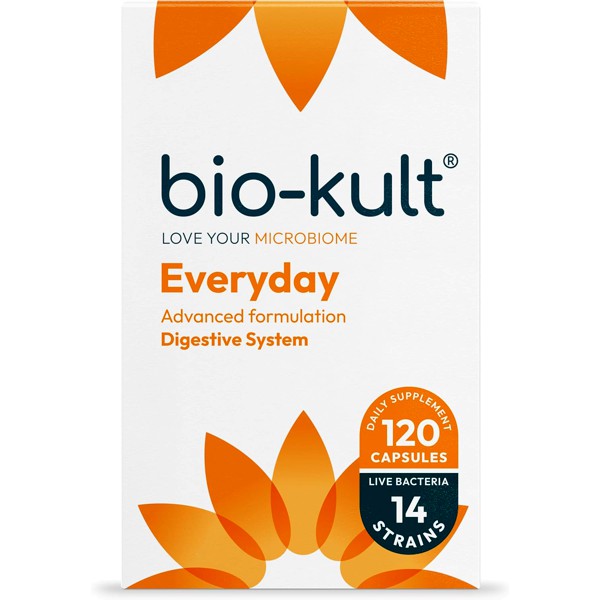
Bio-Kult Advanced Multi-Strain Formula is well-regarded for its research-backed combination of 14 bacterial strains.
Symprove is different from other probiotics because it is water-based, which means it limits exposure to gastric juices and digestive enzymes. 94% of customers feel a difference within 12 weeks or less.

Bacterial Cultures
Multi-Strain Formulation Probiotics Everyday 120 Capsules by Bio-Kult
Our advanced Multi-Strain Formulation Probiotics deliver 14 beneficial bacterial strains to support digestive health and restore gut balance. With 2 billion CFU per capsule, these shelf-stable, vegetarian-friendly probiotics help reduce bloating, support IBS management, and enhance overall wellbeing - no refrigeration required. Suitable for adults, children over 3, and during antibiotic treatment.
Beyond Supplements: Lifestyle Factors for Gut Health
Prebiotics and probiotics play crucial roles. Other lifestyle factors significantly impact your gut microbiome:
Diet Diversity
Aim to eat 30+ different plant foods weekly. Each plant food nourishes different beneficial bacteria, creating a more diverse microbiome.
Reduce Ultra-Processed Foods
Emulsifiers, artificial sweeteners, and preservatives disrupt gut bacteria. The typical British diet, often high in processed foods, contributes to poorer gut health outcomes.
Manage Stress
Chronic stress alters gut function and microbial composition. Regular mindfulness practices, adequate sleep, and physical activity all support a healthier gut-brain connection.
Appropriate Antibiotic Use
While sometimes necessary, antibiotics can drastically reduce microbial diversity. Only use when prescribed and consider specific post-antibiotic probiotics like Symprove, which shows effectiveness in restoring gut balance after antibiotic treatments.
Timeline for Results
Despite the hype, there is no strong evidence for specific recommendations. Research evidence for the short and long-term use of probiotics is still limited.
However, gut microbiome changes take time. Consistency with prebiotics, probiotics, and gut-friendly habits typically yields noticeable improvements within 4-12 weeks.
When to Consult a Healthcare Professional
If you have an existing health condition or a weakened immune system, you should talk to a doctor before taking any probiotic supplements.
Situations warranting professional guidance:
- Persistent digestive symptoms lasting more than two weeks
- Sudden changes in bowel habits
- Blood in stool
- Unexplained weight loss
- Severe abdominal pain
Final Thoughts
Your gut microbiome is not merely a passive collection of microbes – it’s an active partner in your health journey. Nurturing this ecosystem through targeted nutrition, supplementation, and lifestyle choices enhances immunity, improves mood, and supports overall wellbeing.
And while supplements have benefits, not everyone needs them, especially if you’re healthy with no symptoms.
For personalised guidance, particularly with complex health conditions, consult with a registered nutritional therapist or healthcare provider familiar with gut microbiome science.
Your microbiome is as unique as your fingerprint – take care of this system, and the beneficial bacteria will take care of you.