Best Immune Supplements UK 2026: Evidence-Based Guide
Your immune system faces daily challenges. British winters bring limited sunlight. Workplace stress never stops. Urban pollution affects respiratory health. Understanding which supplements work helps you make informed choices.
This guide examines five supplements supported by research. You’ll learn optimal dosages, timing, and how each one strengthens your body’s natural defences.
Understanding Your Immune System
Your immune system is a network of cells, tissues, and organs working together. When functioning well, this system identifies and neutralises threats – from cold viruses to bacterial infections.
Recognise These Warning Signs
Your body sends signals when immunity weakens:
- Frequent infections (more than 3-4 colds yearly)
- Wounds healing slowly
- Constant tiredness despite adequate sleep
- Digestive problems
- Cold sores appearing regularly
- Persistent headaches
What Weakens Immunity
Nutritional Gaps
Diet forms the foundation of immune health. Deficiencies in vitamin C, vitamin D, zinc, and selenium directly compromise immune function. UK residents face particular challenges with vitamin D during winter months – limited sunlight means limited production.
Chronic Stress
Modern life triggers cortisol release. When stress becomes chronic, elevated cortisol suppresses immune function. Research shows stressed individuals catch more infections.
Sleep Deprivation
Your body performs immune maintenance during sleep. Studies demonstrate people sleeping under seven hours face nearly triple the infection risk compared to those getting eight hours or more.
Limited Movement
Physical activity promotes circulation, allowing immune cells to move freely. Remote work has reduced daily movement for many Britons, affecting immune health.
Environmental Stress
Urban air pollution – particularly in London and Manchester – stresses respiratory systems and compromises immunity. Indoor pollutants and seasonal allergens add further burden.
Five Evidence-Based Supplements for 2025
Diet comes first. Supplements fill gaps and provide targeted support. Here are the most effective options available in the UK.
1. Vitamin D3: The Sunshine Vitamin
Vitamin D regulates immune function. Research shows intake of 1,000-2,000 IU daily maintains adequate levels in most people PubMed Central, though many experts believe official guidelines may be too low Healthline.
A British Medical Journal systematic review found vitamin D supplementation protected against respiratory tract infections, especially in deficient individuals.
Optimal approach:
- Take 1,000-2,000 IU daily year-round
- Higher doses (4,000 IU) for deficiency (consult your GP)
- Take with fatty foods for better absorption
- Consider testing your levels through NHS


Vitamins & Minerals
Vitamin D3 & K2 MK7 4000 IU Immune Support by Nutrition Geeks
Discover the benefits of Vitamin D3 and K2 MK7 with our year's supply of high-strength tablets. Support your bone health and immune system with easy-to-swallow, vegetarian-friendly supplements. Made in the UK with sustainable packaging.
2. Zinc: Essential Mineral for Immune Cells
Zinc strengthens the immune system and aids cellular activities Frontiers. Research from 2024 confirms zinc deficiency leads to T-cell problems and increased infection susceptibility.
A Cochrane review of 18 studies found zinc lozenges (at least 75mg daily) administered within 24 hours of symptom onset reduced cold duration in healthy people Drugs.com.
Optimal approach:
- Daily maintenance: 8-11mg (women need 8mg, men need 11mg)
- At cold onset: 75mg daily for 5-7 days
- Take with food to avoid nausea
- Avoid exceeding 40mg daily long-term without medical supervision
Vitamins & Minerals
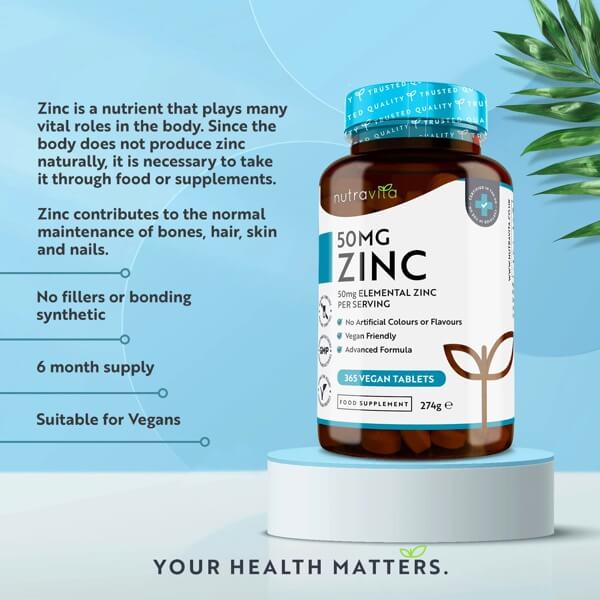
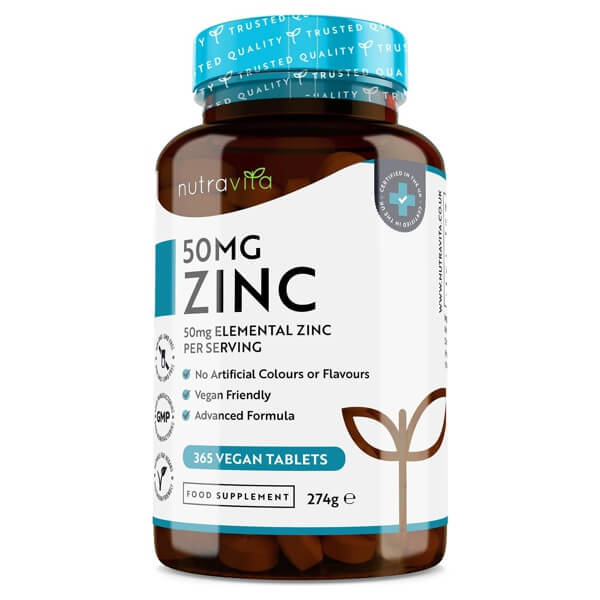
Zinc 50mg High Strength by Nutravita 365 Vegan Tablets
Zinc is an essential nutrient that supports numerous biological functions. Apart from its vital role in immune defense, it protects cells from oxidative stress, and contributes to normal cognitive function, DNA synthesis, carbohydrates and fatty acids metabolism, and in maintaining normal testosterone levels in the blood. All claims are substantiated by EFSA.
3. Vitamin C with Bioflavonoids: Enhanced Absorption
Most people know vitamin C supports immunity. Fewer understand that bioflavonoids enhance absorption and effectiveness. These plant compounds work synergistically with vitamin C to reduce inflammation.
Optimal approach:
- Daily dose: 500-1,000mg
- Divide doses (morning and evening) for better absorption
- Choose formulas with bioflavonoids
- Higher doses (2,000mg) during illness
Vitamins & Minerals
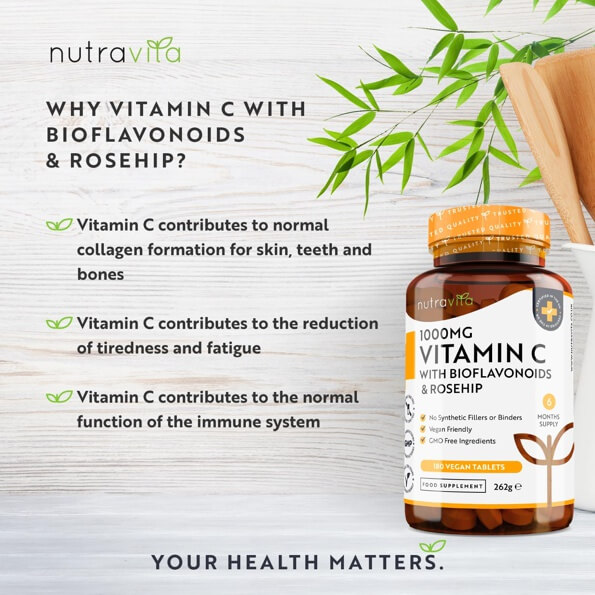
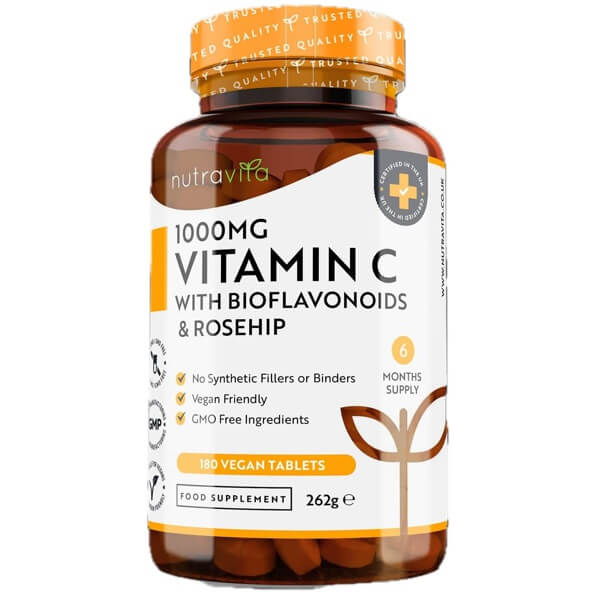
Vitamin C 1000mg with Bioflavonoids & Rosehip 180 Tabs
One of Vitamin C’s most important function is that it contributes to the maintenance of normal immune system. It helps in collagen formation for the normal function of bones, skin, teeth and gums. Furthermore, it contributes to reduction of tiredness and fatigue as it increases iron absorption to help carry oxygen throughout the body.
4. Elderberry Extract: Traditional European Medicine
Elderberry has centuries of use in European medicine for fighting colds and flu. Modern research supports these traditional applications. Studies show elderberry reduces symptom duration and severity in upper respiratory infections.
Optimal approach:
- Preventive dose: 300-600mg daily during cold season
- Therapeutic dose: 1,200-1,500mg daily when symptoms appear
- Start at first sign of infection
- Continue for 5-7 days
Fruit & Berry Extracts
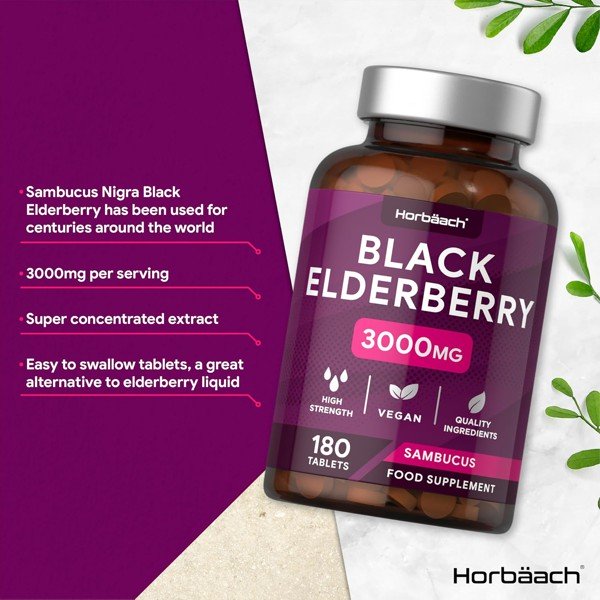
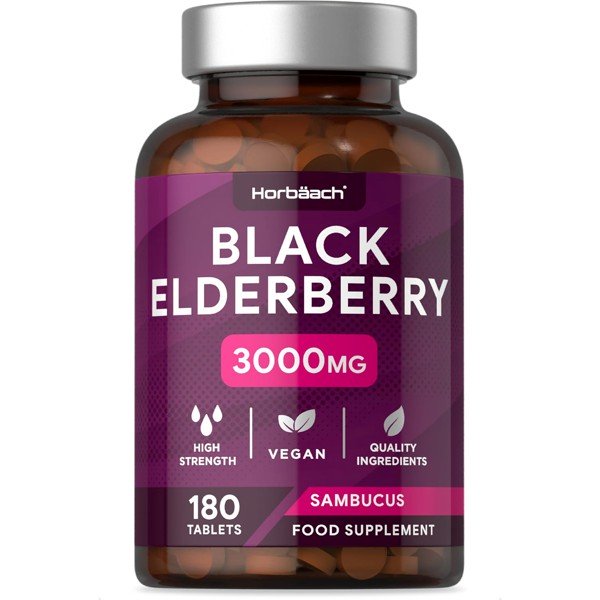
Black Elderberry Extract 3000mg High Strength 180 Tablets by Horbaach
Our high-strength Black Elderberry Extract delivers 3000mg equivalent of Sambucus nigra per daily serving in convenient vegan tablets. Rich in natural flavonoids and antioxidants, this traditional remedy supports immune function, overall wellness, and may benefit skin health. Enjoy the power of nature with our carefully crafted 180-tablet supply.
5. Probiotics: Gut-Immune Connection
Approximately 70% of your immune system resides in your gut. This makes gut health essential for immune function. Probiotic supplements maintain healthy bacterial balance in your digestive system.
Optimal approach:
- Choose multi-strain formulas (10+ different strains)
- Minimum 50 billion CFU (colony-forming units)
- Take on empty stomach or with light meal
- Continue for at least 8-12 weeks for full benefits

Digestive Health
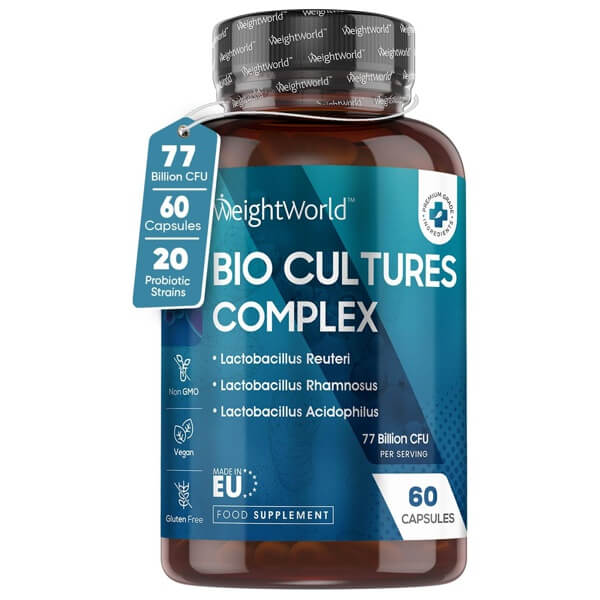
Bio Cultures Complex Probiotics 77B CFU 60 Capsules by WeightWorld
Our premium Probiotics and Prebiotics supplement delivers an impressive 77 billion CFU with 20 diverse bacterial strains including Lactobacillus Acidophilus, Gasseri, Rhamnosus and Reuteri. Enhanced with organic prebiotic inulin and FOS powder in delayed-release capsules for maximum effectiveness. Vegan-friendly, gluten-free and manufactured in the UK under strict GMP guidelines.
Creating Your Supplement Protocol
Timing Matters
Morning routine:
- Vitamin D3 with breakfast (fat-soluble, needs food)
- Vitamin C (first dose if splitting)
- Zinc (with food)
Evening routine:
- Probiotics (30 minutes before bed)
- Vitamin C (second dose if splitting)
- Elderberry (during cold season)
Safety Considerations
Upper limits (do not exceed without medical advice):
- Vitamin D3: 4,000 IU daily
- Zinc: 40mg daily (long-term)
- Vitamin C: 2,000mg daily
- Elderberry: Follow product guidelines
- Probiotics: Generally safe at higher doses
Interactions to watch:
- Zinc reduces copper absorption (consider copper supplement if taking zinc long-term)
- High-dose vitamin C affects blood sugar readings
- Elderberry may interact with immunosuppressants
- Always inform your GP about supplements before surgery
Lifestyle Foundation
Supplements work best alongside healthy habits:
Sleep: Target 7-9 hours nightly. Quality matters as much as quantity.
Stress management: Try mindfulness meditation, gentle yoga, or daily walks.
Hydration: Drink water throughout the day. Proper hydration supports all bodily functions.
Exercise: Even 30 minutes of brisk walking strengthens immune response.
Nutrition: Focus on colourful vegetables, fruits, lean proteins, and healthy fats.
When to Consult Your GP
Seek medical advice if you experience:
- Persistent signs of weakened immunity despite lifestyle changes
- Frequent infections (monthly or more)
- Unexplained weight loss
- Night sweats
- Prolonged fever
Certain conditions, medications, and autoimmune disorders affect immune function and require specialised care beyond supplementation.
Building Strong Immunity
Strong immunity results from consistent daily choices. Understanding which supplements work and how they function helps you make informed decisions. Individual needs vary based on health status, deficiencies, and lifestyle factors.
Consider testing for specific deficiencies through your GP before beginning supplementation. Blood tests reveal vitamin D and zinc levels, allowing targeted approaches.
The supplements discussed here – vitamin D3, zinc, vitamin C with bioflavonoids, elderberry, and probiotics – have substantial research supporting their immune benefits. Combined with adequate sleep, stress management, regular movement, and proper nutrition, they strengthen your body’s natural defences.
Face 2025 with confidence in your body’s ability to protect itself. Start with one or two supplements, monitor how you feel, and adjust as needed. Your immune system works for you every day – give it the support it deserves.