Herbal supplements draw on centuries of traditional use across Ayurvedic, Chinese, and European herbalism, alongside a growing body of modern research into specific plant compounds. Below you’ll find our picks across adaptogens, traditional herbs, medicinal mushrooms, and botanical extracts — chosen for genuine research interest and quality sourcing, not just tradition alone. As with any supplement, it’s worth checking for interactions with medication you already take before adding a new herb to your routine.
Herbal Supplements
Fruit & Berry Extracts
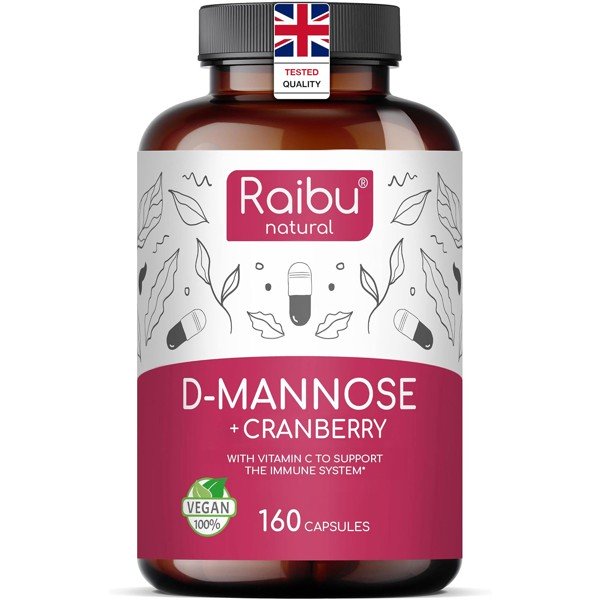
D-Mannose 2100mg Complex with Cranberry & Vitamin C 160 Capsules

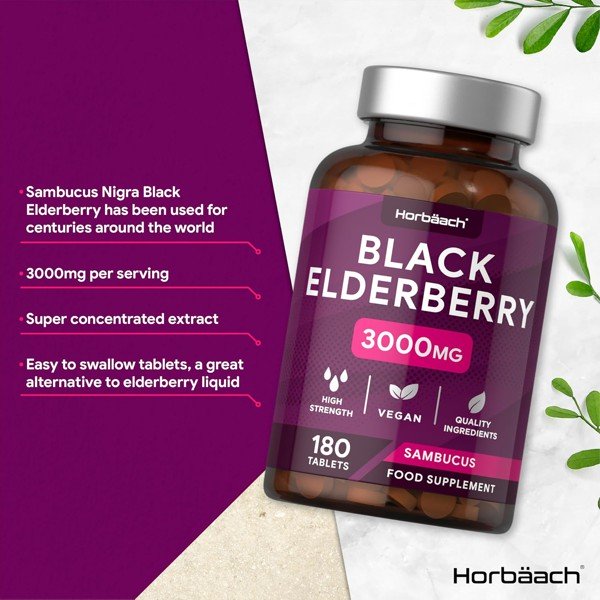
Fruit & Berry Extracts
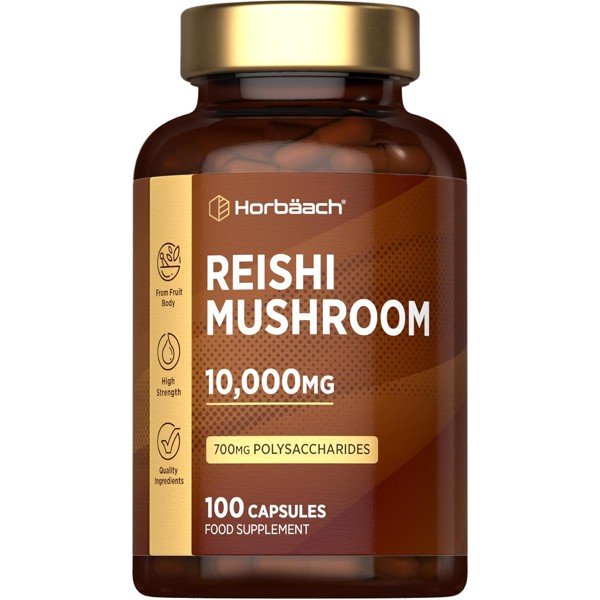
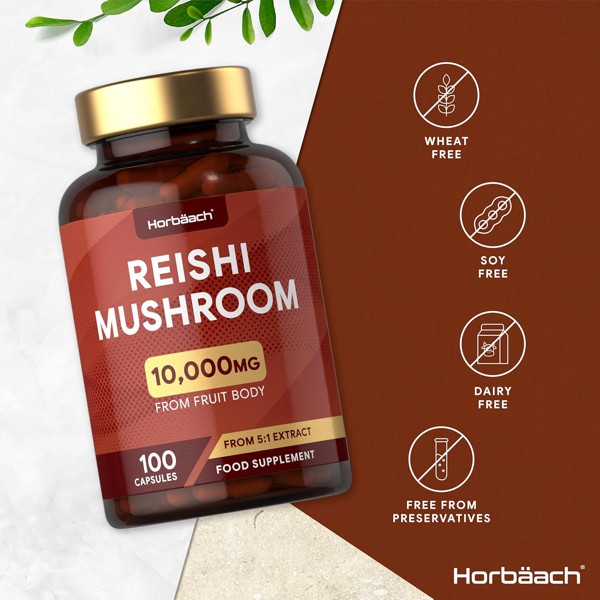
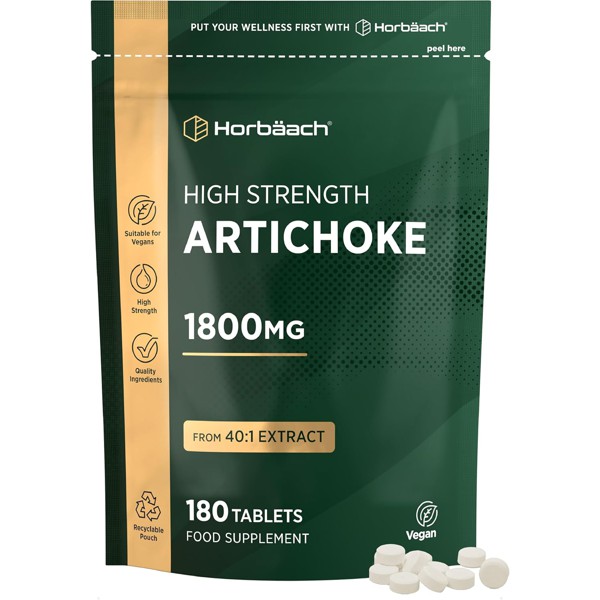
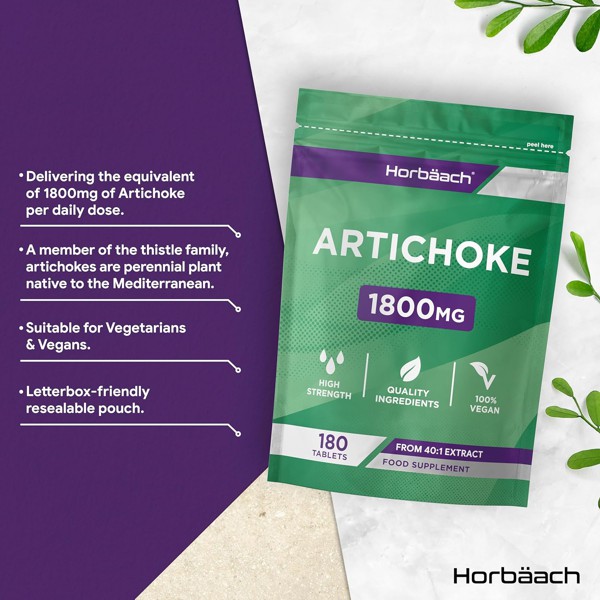
Herbal Supplements
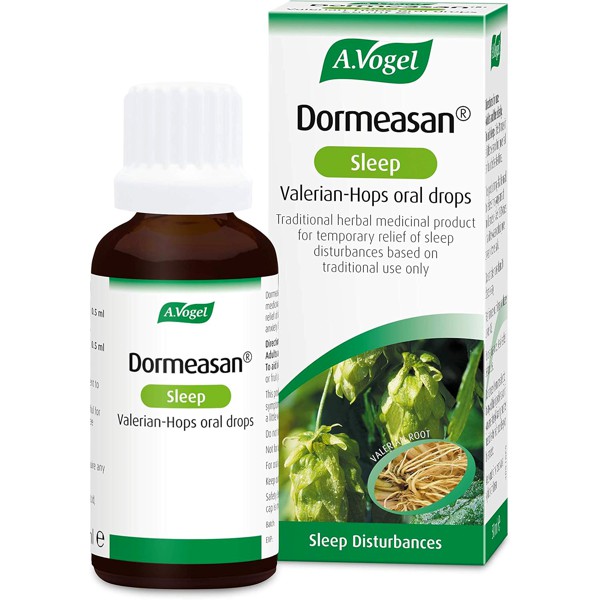
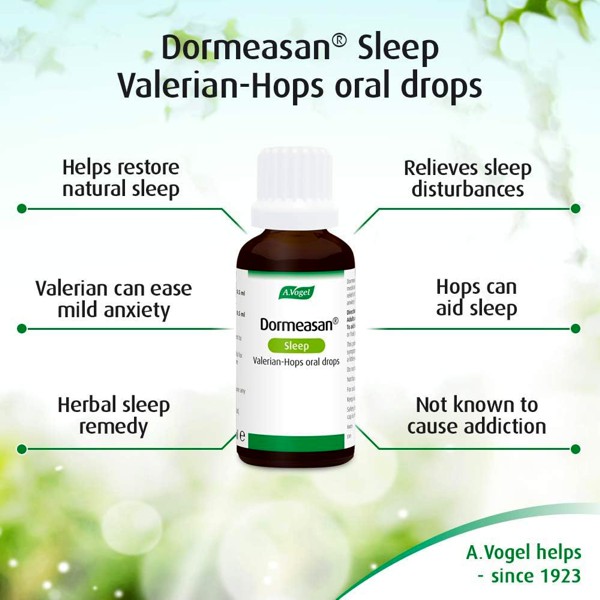
Traditional Herbs
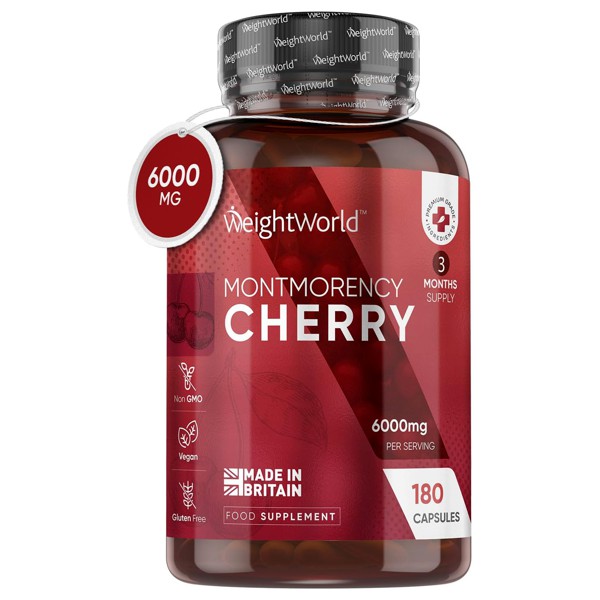
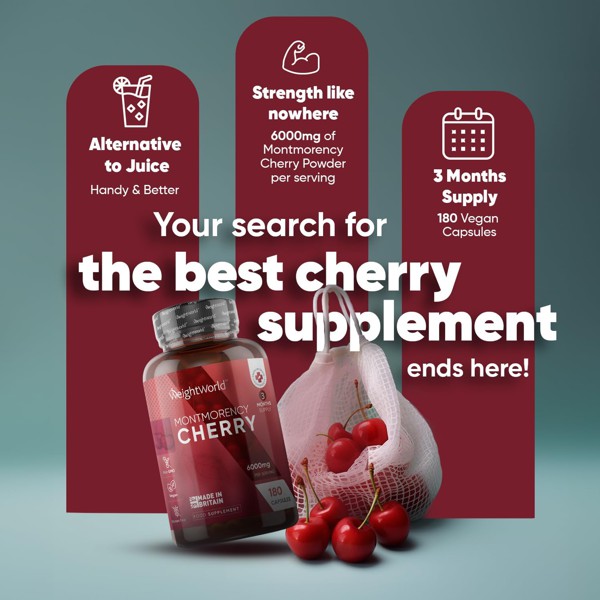
Fruit & Berry Extracts
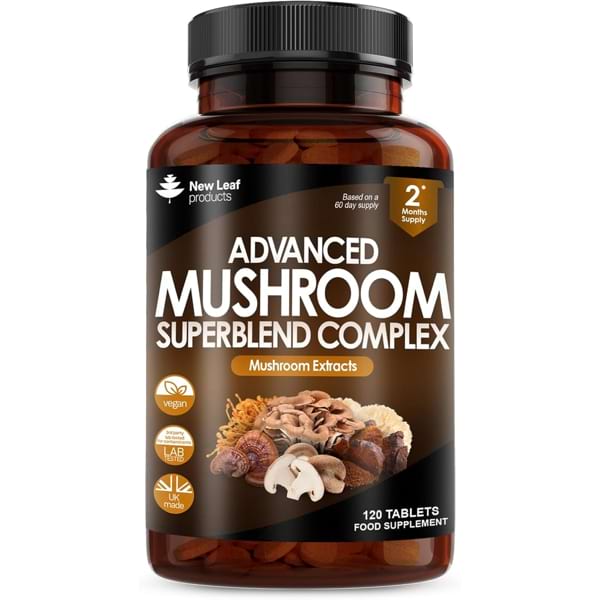
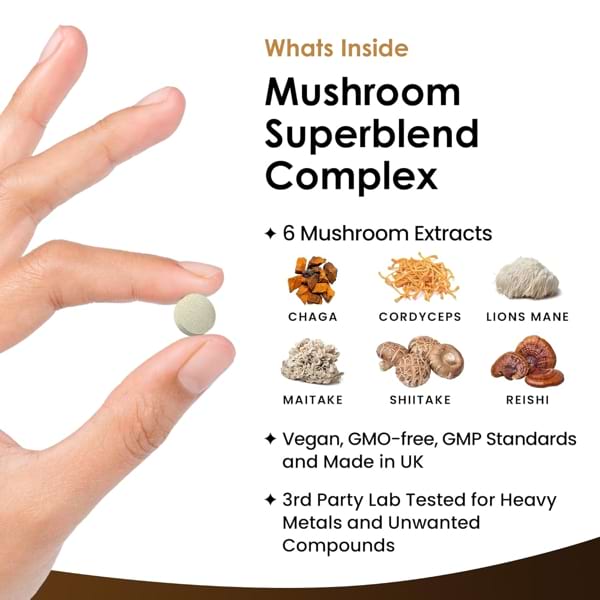
Mushroom Complex
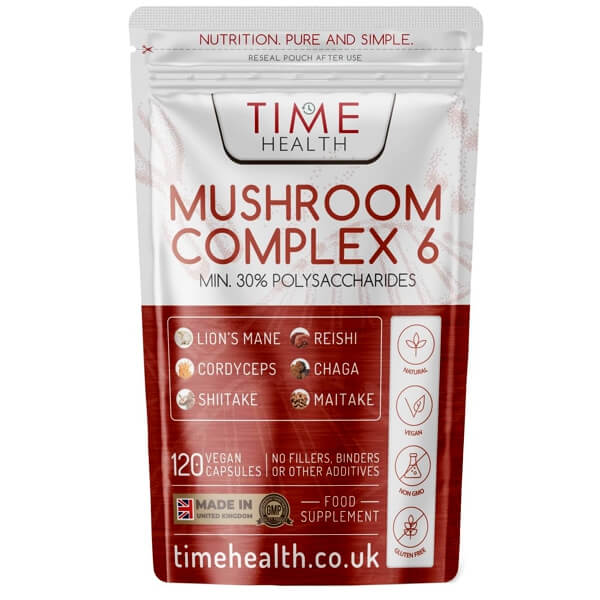
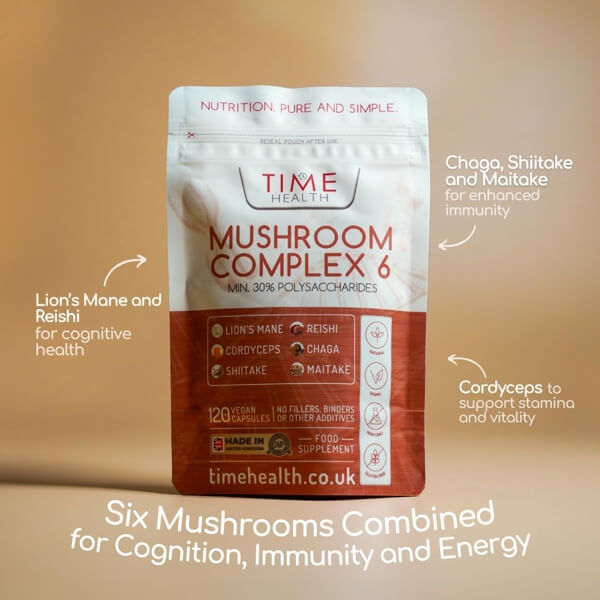
Mushroom Complex
Vitamins & Minerals
Herbal Supplements: What’s Actually Worth Knowing
Herbal supplements span an enormous range of traditions and compounds, from adaptogens like ashwagandha and rhodiola, studied for their role in stress response, to medicinal mushrooms like reishi and lion’s mane, whose beta-glucans are of genuine research interest for immune and cognitive health. Traditional herbs such as turmeric, ginger, and berberine have some of the more developed modern evidence bases in this category, while others — including many Ayurvedic remedies and fruit extracts — rest on a mix of long-standing traditional use and earlier-stage research.
It’s worth being realistic about what herbal supplements can and can’t do: none of them are a substitute for prescribed medication or professional diagnosis, and the strength of evidence varies considerably from one herb to the next. Some, like curcumin and ginkgo biloba, come with specific safety considerations — curcumin in concentrated form has, in rare cases, been linked to liver injury, while ginkgo has genuine blood-thinning properties worth knowing about if you take anticoagulant medication. Others, like ashwagandha, can affect thyroid hormone levels in some people, and rhodiola is generally best avoided with bipolar disorder given its stimulating properties.
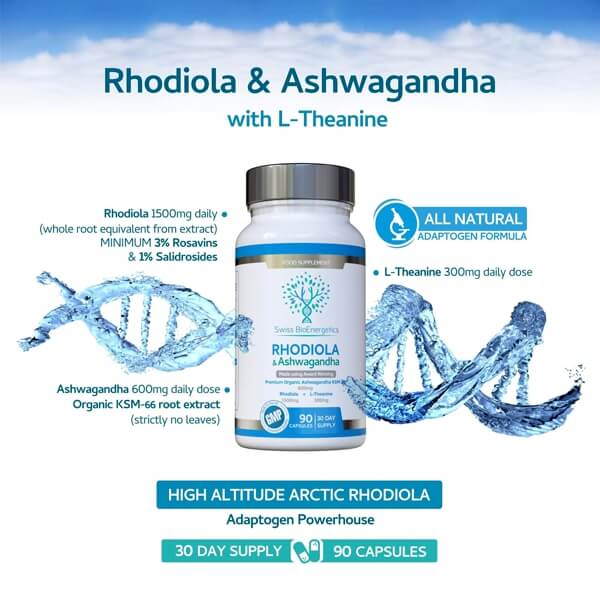
Choosing a quality herbal supplement means looking beyond marketing claims: check for third-party testing, clear species identification, standardised active compound content where relevant (such as withanolide percentages for ashwagandha or rosavin content for rhodiola), and a transparent ingredient list without unnecessary fillers. If you take regular medication or manage an existing health condition, it’s worth checking with your GP or pharmacist before starting a new herbal supplement, rather than assuming “natural” means automatically risk-free.