Understanding Nattokinase and Its Origins
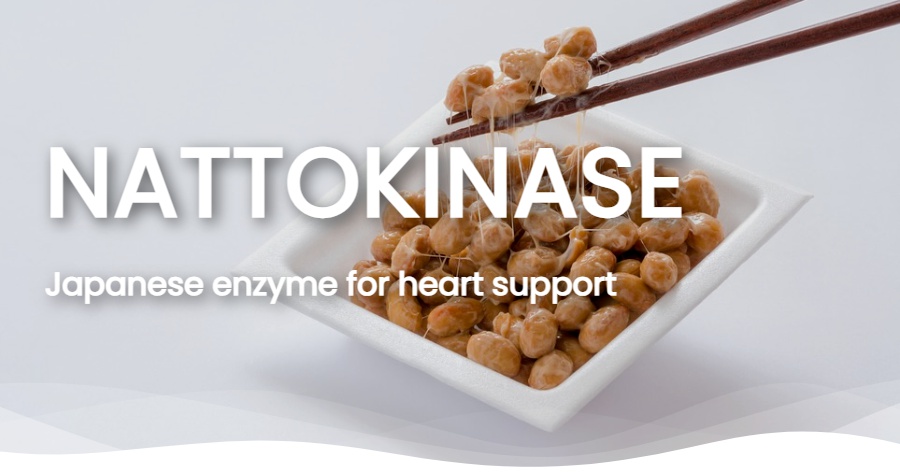
Nattokinase is an enzyme extracted from natto, traditional Japanese food made from fermented soybeans. Bacillus subtilis bacteria produce this fibrinolytic enzyme during fermentation.
Dr. Hiroyuki Sumi discovered nattokinase in 1987 at the University of Chicago. He observed the enzyme dissolving blood clots in laboratory conditions. This led to decades of research into cardiovascular applications.
You don’t need to eat traditional natto to access nattokinase benefits. Modern supplements provide standardized doses without the strong smell and sticky texture of fermented soybeans.
How Nattokinase Works in Your Body
Nattokinase targets fibrin, the protein forming blood clots. Your body maintains balance between clot formation and breakdown. Nattokinase supports the breakdown side of this equation.
The enzyme works through three primary mechanisms:
Direct fibrin breakdown: Nattokinase breaks down the mesh-like structure of fibrin deposits.
Plasmin activation: The enzyme activates plasmin, your body’s natural clot-dissolving system.
Clotting inhibition: Research shows nattokinase inhibits enzymes promoting excessive clotting.
A 2008 study by Kim and colleagues found nattokinase inhibits angiotensin-converting enzyme (ACE). This mechanism helps explain its effects on blood pressure, similar to prescription ACE inhibitors.
Research-Backed Benefits
Blood Flow and Circulation
Dr. Sumi’s 1990 study in Acta Haematologica demonstrated oral nattokinase supplementation increased fibrinolytic activity in the bloodstream. Most enzymes break down during digestion. Nattokinase survives stomach acid and stays active.
Blood Pressure Support
Kim’s randomized controlled trial in Hypertension Research involved 86 participants with elevated blood pressure. After eight weeks of nattokinase supplementation, participants showed significant reductions in both systolic and diastolic blood pressure compared to placebo.
Brain Health Research
A 2009 Journal of Agricultural and Food Chemistry study by Hsu demonstrated nattokinase breaks down amyloid fibrils. These protein aggregates link to neurological conditions. Early-stage research suggests potential cognitive applications. Clinical trials in humans stay limited.
How to Use Nattokinase
Supplement Forms
Nattokinase supplements come in capsules measured in fibrinolytic units (FU). Research studies use doses between 1,000-2,000 FU daily.
Take nattokinase on an empty stomach for optimal absorption. Some people split the dose throughout the day. Both approaches show results in clinical practice.
Some formulations combine nattokinase with Coenzyme Q10 or red yeast rice. These combinations target cardiovascular health from multiple angles.
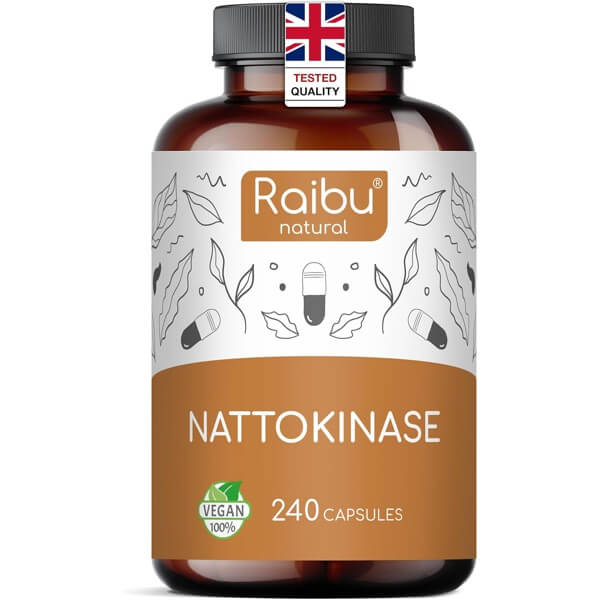
Raibu Nattokinase delivers 2000 FU per vegan capsule, sourced from traditional Japanese fermented natto soybeans. Enteric-coated for optimal absorption and designed to support circulation and cardiovascular health. With 240 capsules, this high-strength supplement provides an 8-month supply. GMO-free, natural, and lab-tested for quality. One-a-day formula.
Food Sources
Traditional natto provides nattokinase along with vitamin K2 and probiotic bacteria. A typical serving is two tablespoons daily. The strong smell and texture make natto an acquired taste for non-Japanese palates.
Safety Considerations
Consult your doctor before taking nattokinase if you:
- Use blood thinners (warfarin, aspirin, clopidogrel)
- Take high-dose omega-3 supplements or ginkgo biloba
- Have scheduled surgery within two weeks
- Are pregnant or breastfeeding
Nattokinase affects blood clotting. Stop supplementation at least two weeks before surgical procedures.
Practical Application
Nattokinase works best as part of a comprehensive cardiovascular approach. Combine supplementation with:
- Balanced nutrition
- Regular physical activity
- Stress management techniques
- Medical supervision
Research shows nattokinase supports but does not replace medical treatment for cardiovascular conditions. Work with healthcare providers who understand nutritional supplementation.
Current Research Directions
Scientists are exploring nattokinase applications in:
- Respiratory health and mucus reduction
- Blood sugar regulation
- Synergistic effects with other natural compounds
Research into cognitive applications continues. The ability to break down protein aggregates suggests potential for brain health support.
Traditional Practice Meets Modern Science
Japanese populations consumed natto for centuries before scientists understood nattokinase. This traditional food practice correlates with Japan’s historically low cardiovascular disease rates.
Modern research validates what traditional use suggested. Controlled studies demonstrate specific mechanisms and effective dosing protocols.
Best-Selling Nattokinase Supplements on Amazon UK
Table could not be displayed.Getting Started with Nattokinase
Follow these steps when considering nattokinase:
- Research supplement brands for standardized potency
- Discuss supplementation with your healthcare provider
- Start with research-supported dosages (1,000-2,000 FU daily)
- Monitor your response over several weeks
- Maintain healthy lifestyle habits alongside supplementation
Choose supplements from reputable manufacturers with third-party testing. Quality control ensures you receive the stated dose of active enzyme.