
Vitamin A Supplements: Benefits and How to Choose Wisely
Struggling with night vision? Skin looking dull despite skincare efforts? These could signal low vitamin A levels. This nutrient does far more than help us see in the dark.
This guide covers everything you need to know about vitamin A supplements in the UK: benefits, safety, and how to choose the right option.
Important NHS Safety Warning
The NHS advises adults not to consume more than 1.5mg (1,500 mcg) of vitamin A per day from supplements. Having more than an average of 1.5mg daily over many years may affect your bones, making them more likely to fracture when older.
Women who have been through menopause and older men, who are more at risk of osteoporosis, should avoid having more than 1.5mg of vitamin A daily from food and supplements.
Critical for pregnant women: Avoid supplements containing vitamin A (including fish liver oil) and avoid eating liver or liver products, as high vitamin A intake can cause birth defects.
What Is Vitamin A?
Vitamin A, also known as retinol, exists in two main forms:
Retinoids: Ready-to-use form found in animal products like eggs and dairy. Immediately available for your body’s needs without conversion required.
Carotenoids: Found in colourful plant foods. Your body transforms these into active vitamin A as needed.
The NHS recommends about 700 micrograms daily for men and 600 for women – roughly the amount from half a sweet potato or a generous serving of kale.
Key Benefits of Vitamin A
Vision Support
Vitamin A forms a crucial part of rhodopsin, the photographic film that captures images in low light. Without enough vitamin A, your eyes struggle to adjust when moving from brightness to darkness.
Many patients describe this as a gradual change: difficulty driving at night or needing much brighter light to read.
Skin Health
Vitamin A orchestrates skin cell renewal, ensuring old cells make way for fresh ones at the right pace. The compound supports:
- Healthy skin texture
- Cell turnover
- Wound healing
- Protection of skin barriers
The skincare industry uses retinol, a form of vitamin A, in countless products. But nurturing your skin from within through proper nutrition creates a foundation no cream replicates.
Immune Function
Vitamin A helps produce specialised cells that line respiratory and digestive tracts, creating a physical barrier against pathogens. The nutrient is also vital for producing and activating white blood cells – your body’s soldiers against infection.
During Britain’s damp winters, when colds and flus make their rounds, maintaining optimal vitamin A levels supports immune defence.
Who Needs Vitamin A Supplements?
Important Note from NHS:
You should be able to get all the vitamin A you need from your diet. Any vitamin A your body doesn’t need immediately is stored for future use, meaning you don’t need vitamin A every day.
However, certain groups benefit from supplementation:
People with Digestive Conditions
Those with Crohn’s disease, celiac disease, or other conditions affecting the gut, pancreas, or gallbladder struggle to absorb fat-soluble vitamins like vitamin A properly.
Vegans and Vegetarians
Up to 45% of Britons have genetic variations that reduce their ability to convert beta-carotene to active vitamin A. For vegans and vegetarians, this creates hidden deficiency that no amount of carrots solves.
Adults Over 50
Bodies become less efficient at vitamin A absorption and conversion as we age, potentially creating deficiency despite a colourful diet.
Best Vitamin A Supplements in the UK (2025 Selection)
Best Overall: Horbaach Vitamin A as Retinyl Palmitate
This clean-formulated tablet provides preformed vitamin A in a carefully measured dose aligning with NHS recommendations. Horbaach’s commitment to quality control and GMP standards means consistent potency.
Why we recommend this:
- Straightforward formulation
- Trusted company
- GMP standards
- NHS-compliant dosing

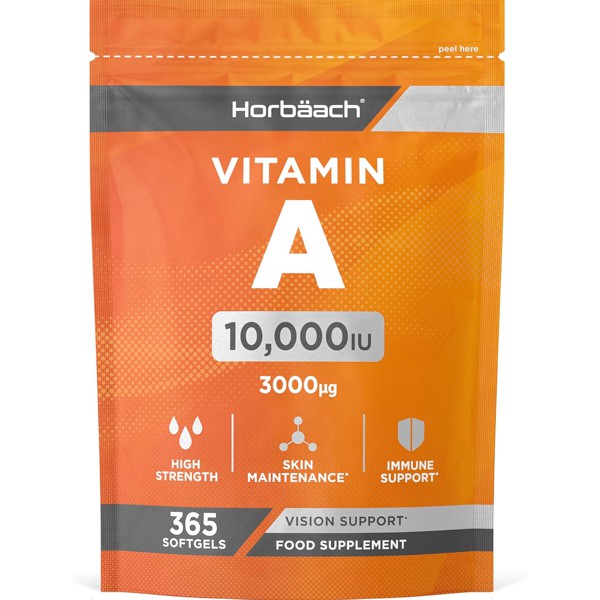
Vitamins & Minerals
Vitamin A Supplement 10,000IU Retinyl Palmitate 365 Count by Horbaach
Our high-strength vitamin A softgels deliver 10,000IU (3000μg) per capsule in a convenient year's supply. Made with pure retinyl palmitate and free from artificial additives, they're perfect for adults looking to maintain optimal vitamin A levels with just one easy-to-swallow softgel daily.
Best for Safety-Conscious Users: WeightWorld Retinyl Acetate
These tablets provide Retinyl Acetate for optimal absorption. The format is ideal for those wanting long-term support without worrying about accumulation.
Why we recommend this:
- Retinyl Acetate form
- Long-term safety profile
- Good absorption
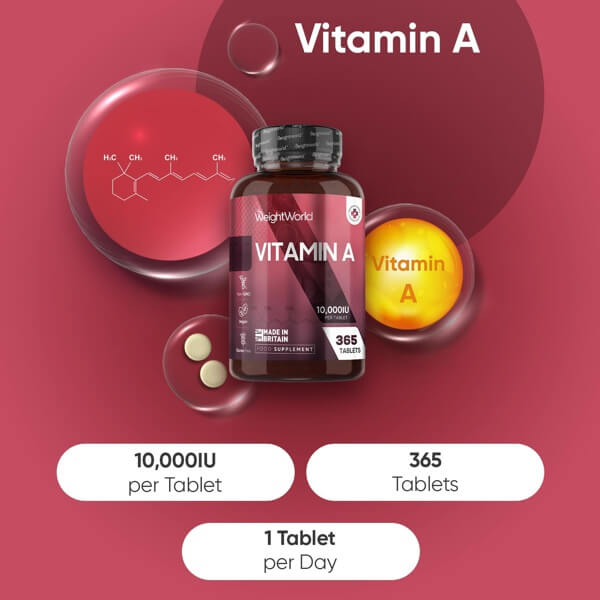
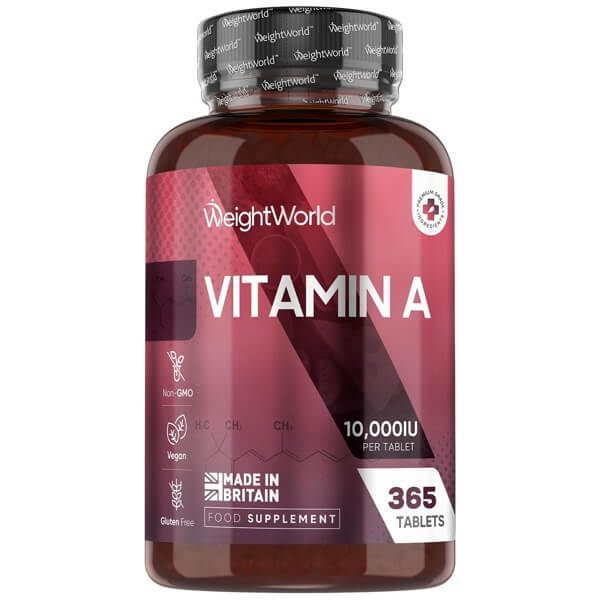
Vitamins & Minerals
Vitamin A 10000IU Essential Retinyl Acetate 365 Tablets by WeightWorld
Our premium Vitamin A supplement delivers 10,000IU (3000μg) of Retinyl Acetate in each easy-to-swallow tablet. Supporting normal vision, skin health, immune function and iron metabolism, this vegan-friendly formula is manufactured in the UK to GMP standards. With 36f5 tablets per bottle, enjoy a full year of essential nutrition with our non-GMO, gluten-free supplement.
Most Innovative: Horbaach Vitamin A Liquid Drops
This liquid delivery system offers precise dosing and superior absorption, particularly beneficial for those with malabsorption issues or difficulty swallowing tablets.
Why we recommend this:
- Liquid format
- Precise dosing
- Better for absorption issues
- Easy for those who can’t swallow pills
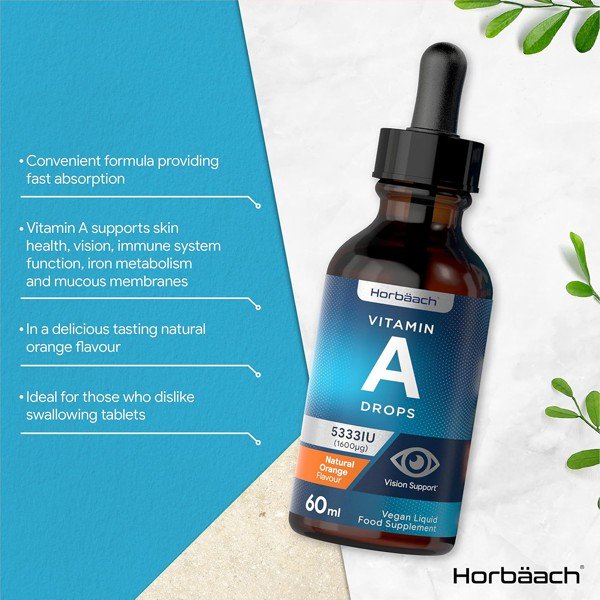
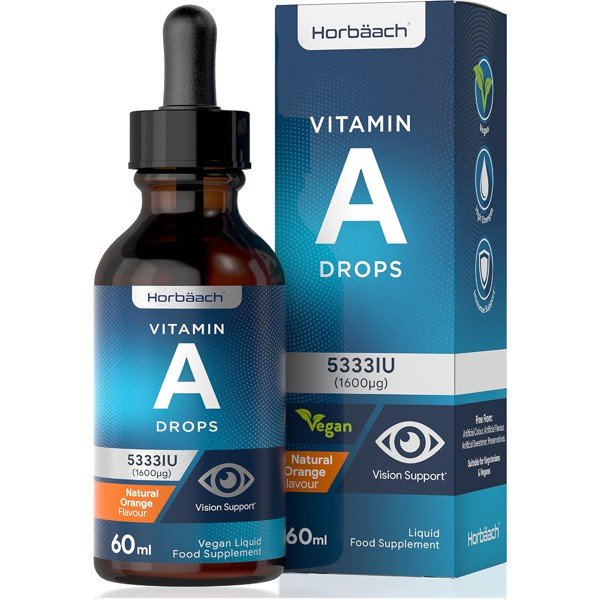
Vitamins & Minerals
Vitamin A Liquid Drops Supplement 5333 IU 60ml Vegan by Horbaach
Our Vitamin A liquid drops deliver 5333 IU per serving in a delicious orange-flavoured formula. These vegan-friendly drops support vision, immune function and skin health in a convenient, easy-to-absorb form. Perfect for those who struggle with tablets or seek optimal nutrient absorption.
Retinol vs Beta-Carotene: Which Form?
Retinol supplements:
- Most bioavailable form
- Faster correction of deficiency
- Requires careful dosing (risk of toxicity)
- Better for diagnosed deficiencies
Beta-carotene supplements:
- Body converts only what it needs
- No risk of toxicity
- Safer for long-term use
- Better for general supplementation
For most people, especially those supplementing long-term, beta-carotene offers a safety advantage since your body only converts what it needs.
However, if you have a diagnosed deficiency or conditions affecting carotenoid conversion, your doctor might specifically recommend retinol for faster correction.
Critical Safety Information
Vitamin A is Fat-Soluble
Excess amounts don’t wash away in urine like water-soluble vitamins. Instead, they accumulate in your body’s fat stores and liver, potentially reaching harmful levels.
Side Effects of Excess Vitamin A:
- Skin irritation
- Nausea or dizziness
- Hair loss beyond normal shedding
- Liver damage (develops silently)
- Increased pressure in the brain causing severe headaches
- Bone health issues with long-term excess
NHS Guidance Summary:
- Taking no more than 1.5mg daily in supplements (including fish liver oil) if you don’t eat liver or liver products
- Not taking any supplements containing vitamin A (including fish liver oil) if you eat liver once a week
- Having an average of 1.5mg daily or less from diet and supplements combined is unlikely to cause harm
Special Warnings:
If you eat liver every week: Do not take supplements containing vitamin A
If pregnant or planning pregnancy:
- Do not take supplements containing vitamin A (including fish liver oil)
- Do not eat liver or liver products, as these are very high in vitamin A
Postmenopausal women and older men: Avoid exceeding 1.5mg daily due to increased osteoporosis risk
Food Sources: Nature’s Vitamin A
Before reaching for supplements, maximise these natural sources:
Animal Sources (Retinol):
- Liver (very rich – eat no more than once weekly)
- Eggs
- Oily fish
- Milk and yoghurt
- Cheese
Plant Sources (Beta-Carotene):
- Carrots
- Sweet potatoes
- Red peppers
- Butternut squash
- Kale and spinach
- Mangoes
The Absorption Secret: Vitamin A needs fat to be properly absorbed. Drizzle olive oil over roasted sweet potatoes or add avocado to spinach salad. Without some fat present, much of the vitamin A potential goes to waste.
Traditional Option: Cod Liver Oil
Before modern capsules, British grandmothers insisted on cod liver oil – a practice vindicated by science.
Cod liver oil provides vitamin A alongside vitamin D and omega-3 fatty acids, nutrients that work collaboratively for immune, bone, and brain health.
Modern versions have improved from the fishy-tasting liquid our grandparents dreaded, with pleasant-tasting capsules making this traditional remedy accessible.
Amazon Best Sellers
Table could not be displayed.Making Your Decision
Consider getting your levels tested before supplementing. If that’s not possible, optimise food intake first, then consider a moderate supplement if you fall into a high-risk category:
- Digestive conditions affecting absorption
- Vegan/vegetarian with conversion issues
- Over 50 years old
- Limited intake of vitamin A-rich foods
Key Principles:
Food first, supplements second: You should be able to get all vitamin A needed from a varied and balanced diet.
Respect the 1.5mg limit: Exceeding this over many years may affect bone health.
Consider your total intake: Many multivitamins contain vitamin A. If you take supplements containing vitamin A, make sure your daily intake from food and supplements doesn’t exceed 1.5mg.
Choose the right form: Beta-carotene for general use, retinol only for diagnosed deficiency under medical guidance.
Listen to your body: If something doesn’t feel right, consult a healthcare professional.
Vitamin A is part of a nutritional orchestra – it performs best in harmony with other nutrients. A well-balanced diet rich in whole foods remains the gold standard, with supplements serving as support rather than starring role.