
Why L-Methylfolate is the Superior B9 Supplement
Vitamin B9 stands as one of the body’s essential nutrients. Your cells need B9 for division, DNA synthesis, and red blood cell production. Yet confusion surrounds this nutrient. Labels show different names: folate, folic acid, L-methylfolate, 5-MTHF.
Here’s what matters: traditional synthetic folic acid requires conversion by your body’s enzymes before you can use it. The active form, L-methylfolate (5-MTHF), works immediately. Up to 60% of people carry gene variations affecting how well they convert folic acid. For these individuals, L-methylfolate offers guaranteed absorption.
This guide examines the science, benefits, dosage, and safety of vitamin B9 forms available in the UK supplement market.
Understanding the Different B9 Forms
Natural Folate
Natural folate exists in leafy greens, liver, and legumes. Your body absorbs this form, though bioavailability varies based on food preparation and individual digestion.
Folic Acid: The Synthetic Form
Folic acid is the synthetic, oxidised form used in fortified foods and most low-cost supplements.
The MTHFR enzyme must convert folic acid into its active form before your body uses it. This process creates a challenge. People with MTHFR gene variations show reduced enzyme activity. Those with the homozygous C677T polymorphism experience up to 70% reduced conversion capacity.
The result: Unmetabolised Folic Acid (UMFA) builds up in the bloodstream. UMFA accumulation has been linked to various health concerns in individuals with impaired conversion capacity.
L-Methylfolate (5-MTHF): The Active Advantage
L-methylfolate represents the final, metabolically active form of vitamin B9. This form bypasses the MTHFR conversion step entirely.
Everyone absorbs L-methylfolate with 100% bioavailability, regardless of genetic variations. The terms L-methylfolate, 5-MTHF, and Metafolin all refer to this active form.
Essential Health Benefits
DNA Synthesis and Cell Division
Folate drives the rapid creation of new cells throughout your body. Folates enable the transfer of one-carbon groups necessary for nucleic acid synthesis including purines and pyrimidines. Your gut lining, hair, and nails depend on this process.
Preventing Folate Deficiency Anaemia
Your body needs folate to produce healthy red blood cells. Deficiency leads to megaloblastic anaemia, causing fatigue, lethargy, and paleness.
Homocysteine Regulation and Heart Health
Folate, alongside vitamin B12 and B6, plays a role in the methylation cycle, breaking down the amino acid homocysteine. Research links elevated homocysteine levels to cardiovascular concerns.
Mood and Cognitive Support
The enzyme MTHFR serves as a cofactor in neurotransmitter production, including serotonin, dopamine, melatonin, epinephrine, and norepinephrine. Studies have associated folate deficiency with low mood.
When to Supplement
Preconception and Pregnancy
Folic acid helps prevent neural tube defects like spina bifida. NHS guidance recommends 400 micrograms of folic acid daily from before conception until week 12 of pregnancy.
Neural tube development occurs during the first trimester. Starting supplementation early protects your baby’s brain and spine formation.
The Methylfolate Choice for Pregnancy: Many women now choose 5-MTHF for guaranteed absorption during this crucial period. The active form works immediately, providing protection regardless of genetic variations.
For women planning pregnancy, a high-quality prenatal multivitamin using L-methylfolate instead of synthetic folic acid offers optimal support. These formulations ensure complete absorption during the critical first twelve weeks.

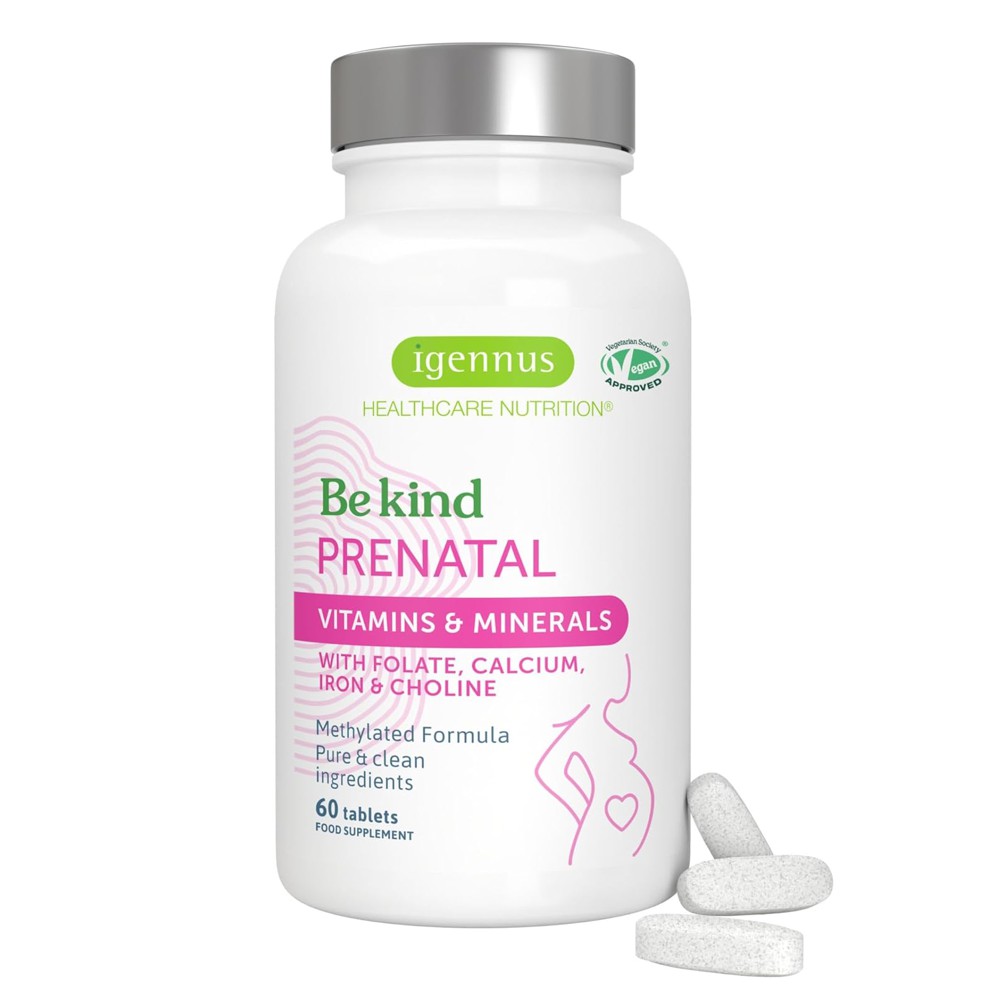
Vitamins & Minerals
Igennus Advanced Prenatal Multivitamin with Methylfolate & Choline
Complete prenatal nutrition with methylated B-vitamins, 27mg gentle iron, algae calcium, and choline. Designed for conception through three months postnatal. Bioavailable forms support maternal health and foetal development. Vegan, tested for heavy metals. 60 tablets.
MTHFR Gene Variations
Gene variants are normal and common. More people in the United States have one or two copies of the MTHFR C677T variant than don’t have it. Similar prevalence exists in UK populations.
People with confirmed or suspected MTHFR polymorphisms need the immediately active form. Synthetic folic acid simply does not convert efficiently in these individuals.
High-dose, standalone L-methylfolate supplements (ranging from 800mcg to 15mg) target this need. These formulations deliver therapeutic doses for people with diagnosed MTHFR concerns or those requiring targeted folate therapy.

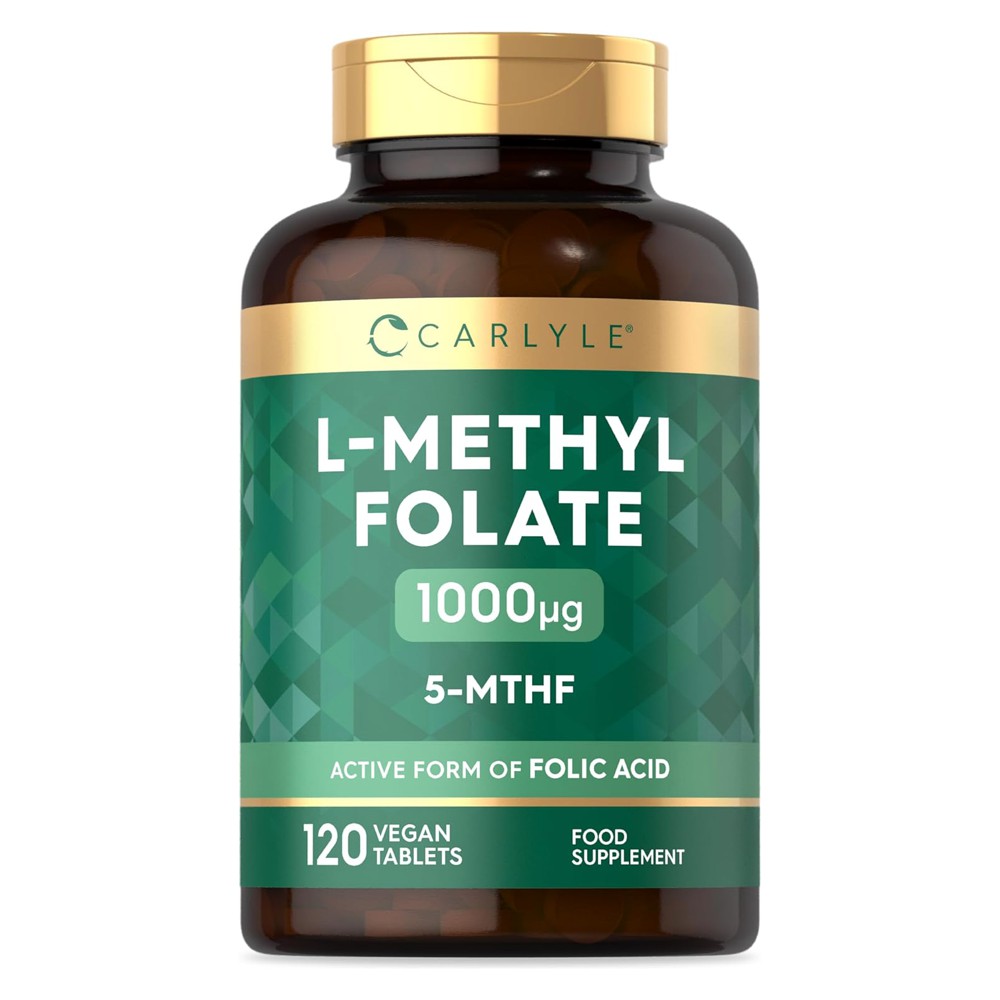
Vitamins & Minerals
Carlyle Methyl Folate 1000mcg Active Form Vitamin B9 Tablets
Active folate as 5-MTHF (L-methylfolate) 1000mcg per tablet. Bioavailable form bypasses conversion steps. Vegan tablets for daily nutritional support. No artificial colours, flavours, or preservatives. 120 tablets, 4-month supply. Adults 18-50 years.
Folate Deficiency Anaemia Treatment
Treatment for anaemia typically requires 5mg folic acid taken once daily for adults and children over one year old. NHS prescription protocols apply for therapeutic doses.
General Energy and Wellbeing
People seeking methylation support and sustained energy levels benefit from daily folate supplementation. The active form supports the body’s fundamental biochemical processes.
Dosage and Safe Intake
Recommended Daily Amounts
The general adult population needs 200 micrograms of folate daily. Most over-the-counter supplements contain 400 micrograms, matching standard supplementation guidelines.
Pregnancy Doses
Standard pregnancy supplementation: 400 micrograms daily from pre-conception to week 12.
High-risk groups require 5mg (5000 micrograms) daily, available by prescription only. This applies if:
- You or your partner had a previous neural tube defect
- You have diabetes
- You take anti-epilepsy medications
- Your family history includes spina bifida
- You have certain blood disorders
Methylfolate Equivalence
L-methylfolate dosages appear lower numerically (e.g., 400mcg) yet represent the active form. This provides superior function compared to an equivalent folic acid dose, which requires conversion first.
Side Effects and Critical Safety Warning
Common Side Effects
Folic acid generally proves very safe. Mild side effects occur rarely and include nausea, appetite loss, bloating, or gas. Take supplements with food to minimise these effects.
The B12 Masking Risk: Critical Warning
This represents a serious safety concern. High doses of synthetic folic acid mask the symptoms of vitamin B12 deficiency. Doctors may diagnose only anaemia whilst missing underlying B12 depletion.
Untreated B12 deficiency causes irreversible nerve damage. Symptoms progress from tingling and numbness to coordination problems and memory issues.
Safety Recommendation: Anyone taking high-dose folate must ensure adequate B12 status. The solution: combine folate with vitamin B12 supplementation.
A Methyl B12 and Methylfolate Complex provides both nutrients in their active forms. This combination supports efficient methylation whilst protecting against B12 deficiency. The pairing of methylcobalamin (active B12) with L-methylfolate creates synergy for optimal cellular function.
These complexes serve people taking any folate dose, particularly those on high therapeutic amounts.
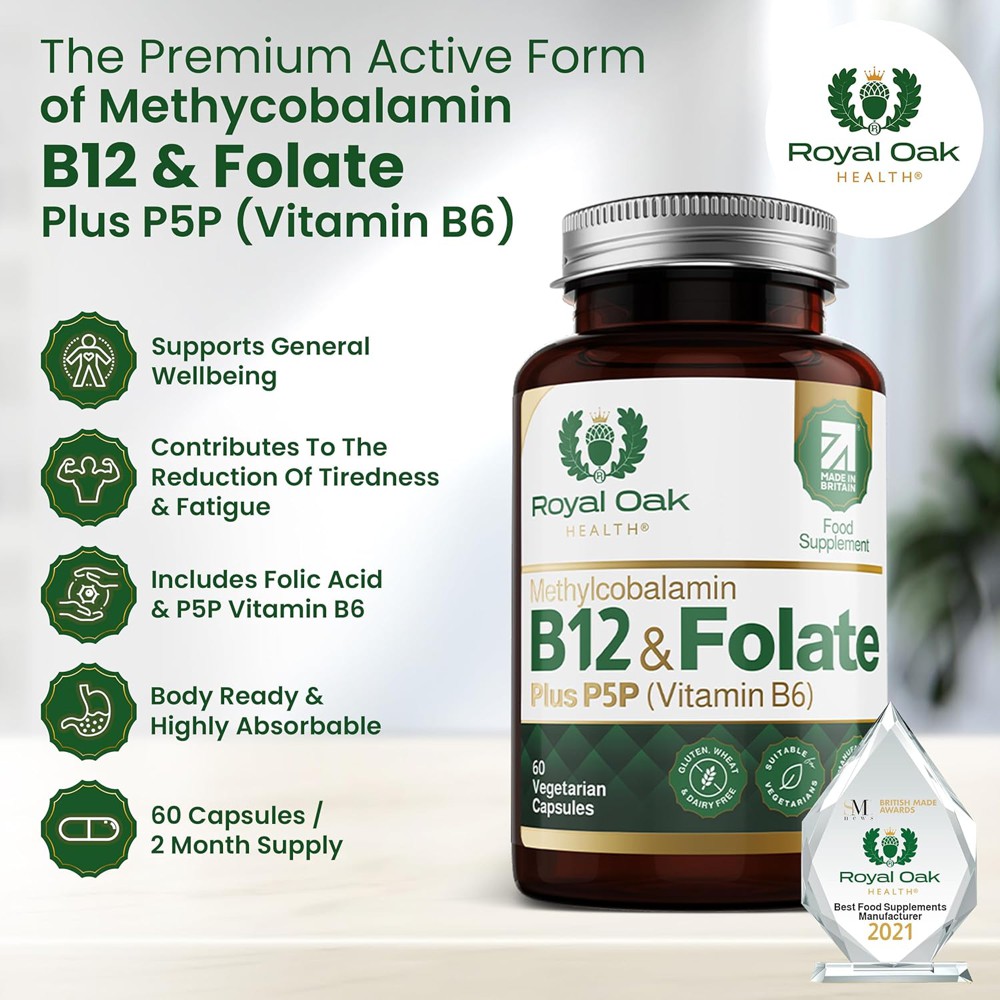
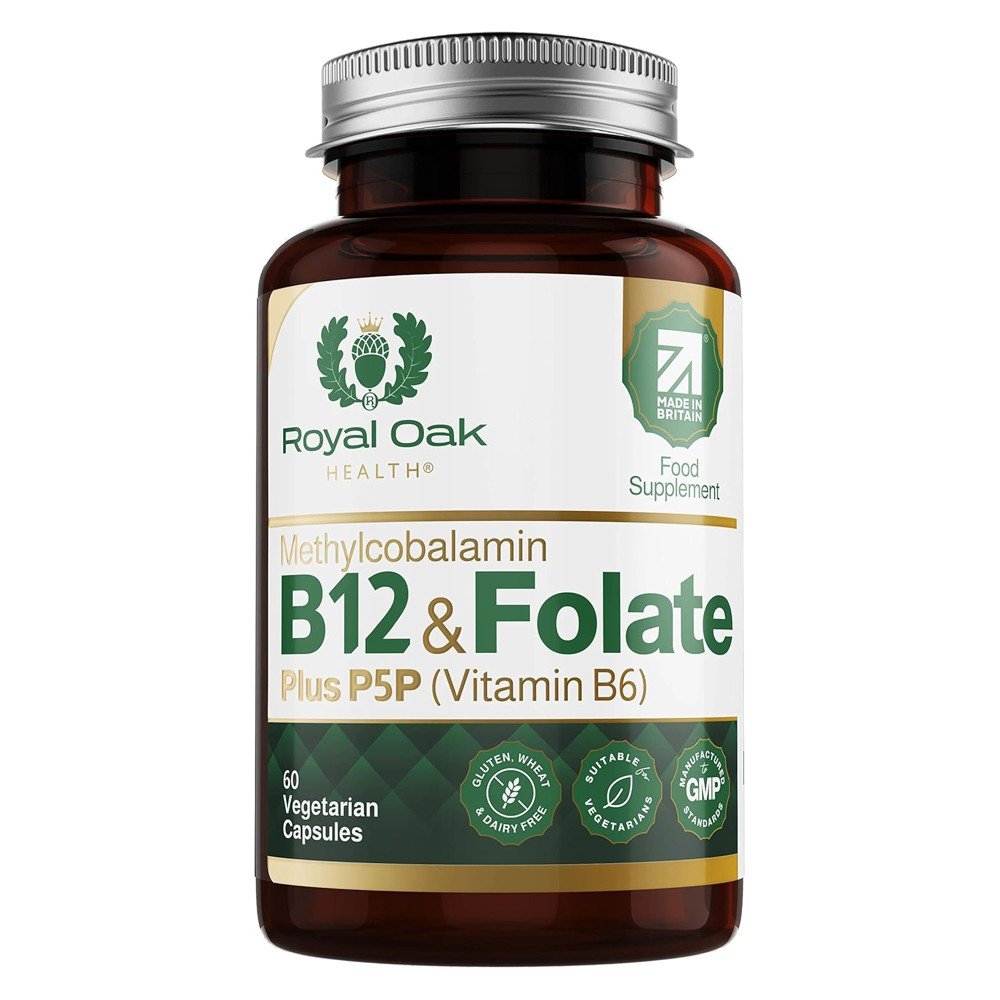
Vitamins & Minerals
Royal Oak Health Vitamin B12, Methylfolate & P5P B6 Active Complex
Active B-vitamin complex with 5000mcg methylcobalamin B12, 400mcg L-methylfolate, and 10mg P5P B6. Supports energy metabolism, nervous system function, and red blood cell formation. Vegan capsules. UK-made, GMP certified. 60 capsules, 2-month supply.
Choosing Your Supplement
Your choice depends on your specific needs and genetic profile.
For MTHFR Carriers and Targeted Support
High-strength L-methylfolate supplements deliver 800mcg to 15mg of pure, active folate. These serve people with confirmed genetic variations or those requiring therapeutic doses. The active form guarantees absorption regardless of enzyme function.
For Methylation and Energy Support
Balanced complexes combining methylcobalamin with L-methylfolate support the body’s methylation cycles. These formulations promote energy production whilst protecting B12 status. They suit anyone seeking general health support or taking moderate folate doses.
For Pregnancy and Preconception
Prenatal multivitamins formulated with 5-MTHF instead of synthetic folic acid ensure optimal absorption. Look for comprehensive formulations containing vitamin D, iron, and other pregnancy-essential nutrients alongside active folate.
Budget-Friendly Standard Option
Standard 400mcg folic acid supplements remain available cheaply in supermarkets and pharmacies. These meet NHS compliance guidelines for people without MTHFR concerns. The synthetic form works adequately when enzyme function remains normal.
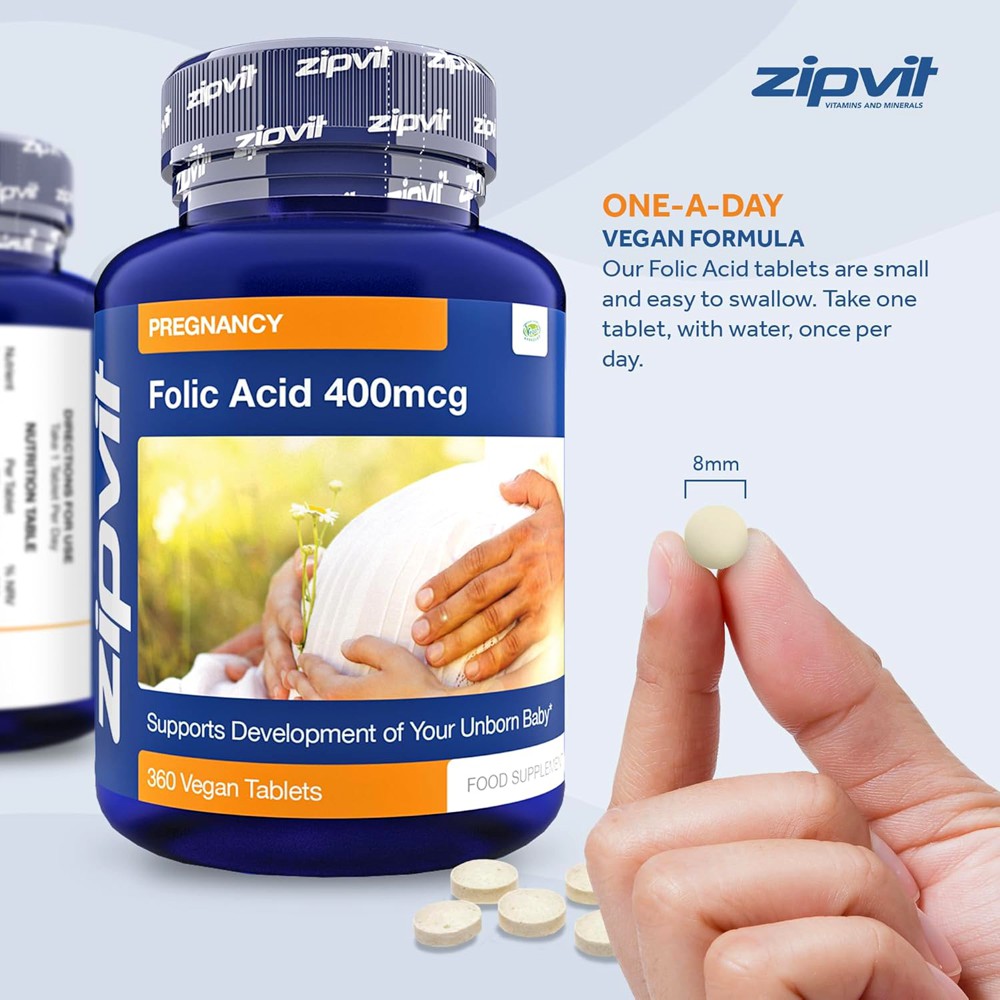
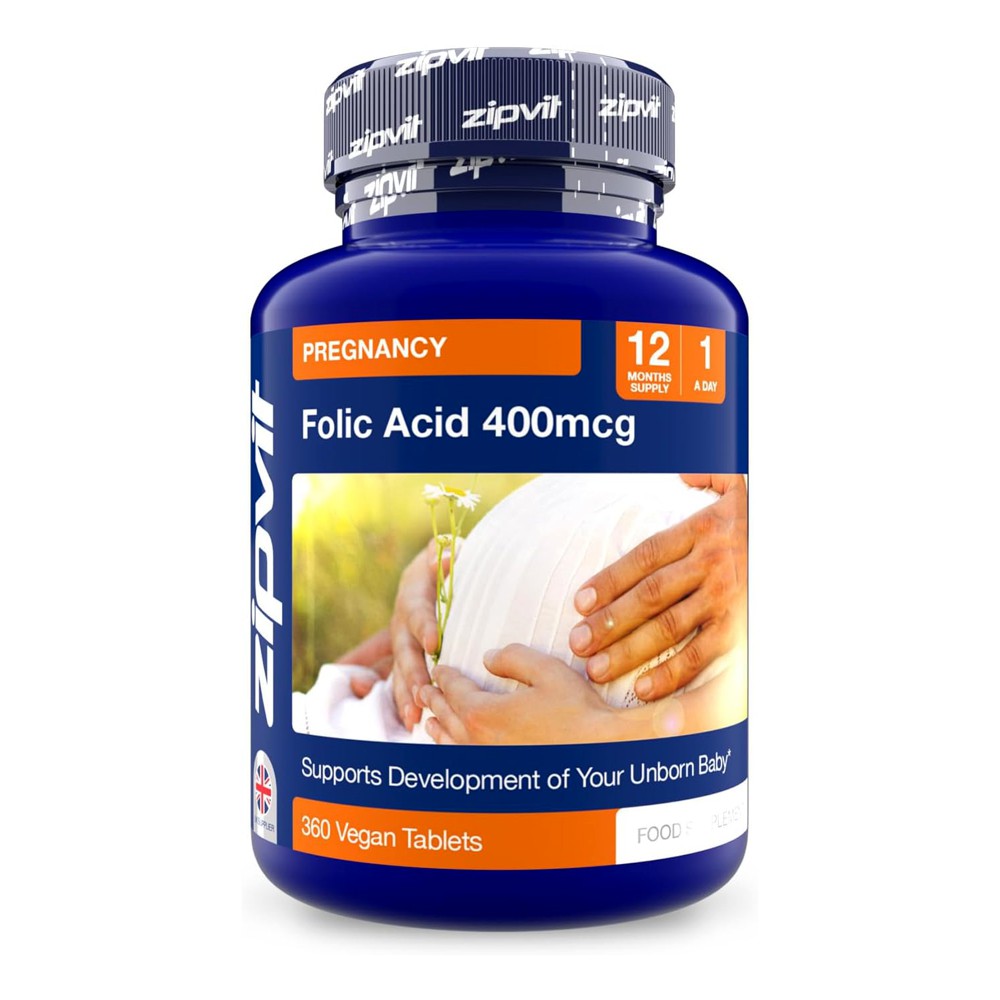
Folic acid 400mcg tablets for pregnancy support. NHS-recommended dose supports maternal tissue growth and reduces neural tube defect risk. Supports immune function and reduces fatigue. Vegan, gluten-free, dairy-free. 360 tablets, 12-month supply. UK-trusted brand.
Final Recommendations
L-methylfolate represents the final, metabolically active form working immediately in your body. This form ensures absorption for everyone, regardless of genetic variations.
People with MTHFR polymorphisms require active forms. Those planning pregnancy benefit from guaranteed absorption during critical development periods. Anyone taking therapeutic doses should combine folate with vitamin B12.
Choose supplements matching your individual needs. Genetic variations, pregnancy status, and health goals guide selection. The active form offers superior reliability, whilst standard folic acid remains suitable for general population needs.
Consult your GP before starting high-dose supplementation, particularly if you have existing health conditions or take medications. Regular monitoring ensures optimal folate status whilst protecting overall health.
Top Folate / Folic Acid Supplements Available in the UK
Table could not be displayed.Disclaimer: This article provides general information and does not replace professional medical advice. Speak with your GP or registered healthcare provider about your specific supplementation needs, especially regarding pregnancy or existing health conditions.