Zinc: Roles and Benefits
Zinc is an essential mineral involved in hundreds of processes throughout the body. From immune function to wound healing, this trace element plays a vital role in maintaining overall health. Understanding how zinc works and how to choose a quality supplement helps you make informed decisions about your wellbeing.
What Is Zinc?
Zinc is a trace mineral, meaning your body needs only small amounts to function properly. Unlike some nutrients, your body cannot produce or store zinc efficiently, so regular intake through diet or supplementation is necessary.
The mineral exists in every cell and participates in numerous enzymatic reactions. It supports protein synthesis, DNA creation, and cell division. Zinc also contributes to proper immune function and wound healing.
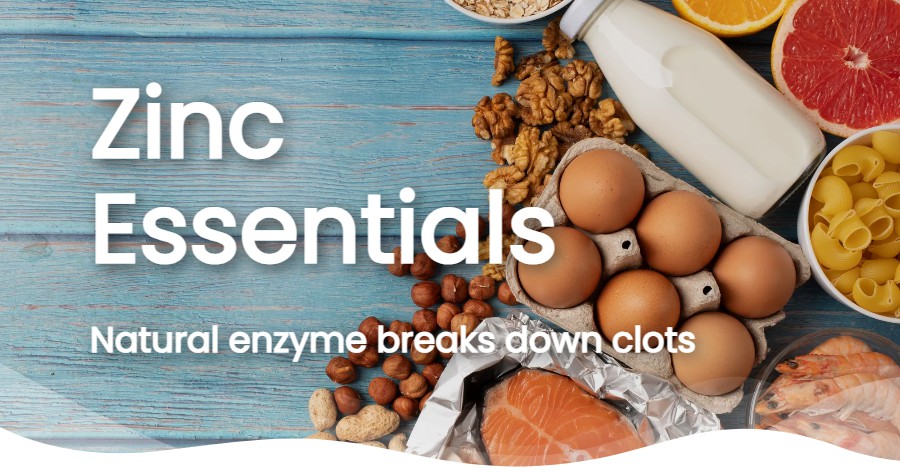
Dietary sources include meat, shellfish, legumes, seeds, nuts, dairy products, eggs, and whole grains. Oysters contain more zinc per serving than any other food. However, plant-based sources contain phytates, compounds that reduce zinc absorption.
UK dietary reference values suggest adults need 7 – 9.5mg daily, depending on age and sex. Pregnant and breastfeeding women require higher amounts.
How Does Zinc Work?
Zinc acts as a cofactor for over 300 enzymes in the body. These enzymes regulate metabolism, digestion, nerve function, and other critical processes.
The mineral supports immune cells called neutrophils and natural killer cells. These cells identify and respond to foreign invaders. Zinc also influences the development and function of immune cells involved in both innate and adaptive immunity.
In wound healing, zinc contributes to collagen synthesis, cell proliferation, and inflammatory response regulation. The mineral is particularly concentrated in skin tissue.
Zinc plays a structural role in proteins and cell membranes. It stabilises structures and protects cells from oxidative damage. The mineral also influences gene expression, affecting how cells read and implement genetic instructions.
Potential Benefits
Research suggests zinc may support various aspects of health when adequate levels are maintained.
Immune Function Support
Studies indicate zinc supplementation may reduce the duration of common cold symptoms when taken within 24 hours of onset. The mineral appears to inhibit viral replication and strengthen immune response.
People with zinc deficiency show impaired immune function. Supplementation in deficient individuals may help restore normal immune activity.
Wound Healing
Zinc is commonly used to support wound healing processes. The mineral contributes to all phases of healing, from inflammation to tissue remodelling.
Research shows people with chronic wounds often have lower zinc levels. Topical and oral zinc formulations are frequently used in clinical settings.
Skin Health
Zinc oxide is widely used in skincare products for its protective properties. The mineral may support skin barrier function and has been studied for various skin conditions.
Some research suggests zinc supplementation may benefit people with certain skin concerns, though results vary across studies.
Reproductive Health
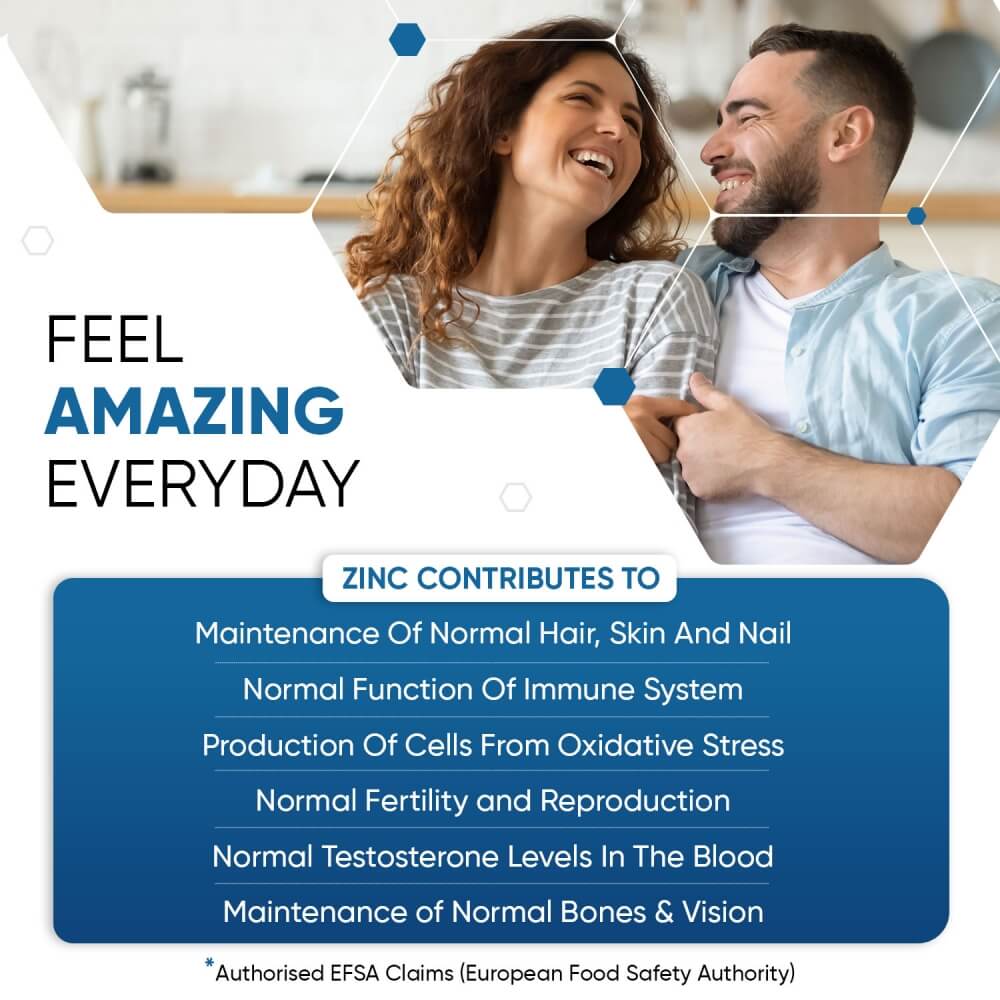
Zinc is concentrated in reproductive tissues and influences hormone production. The mineral plays a role in sperm development and testosterone metabolism.
Studies examining zinc supplementation and fertility show mixed results, though adequate zinc status appears important for reproductive function.
Eye Health
The retina contains high concentrations of zinc. The mineral is involved in vitamin A metabolism and may contribute to maintaining normal vision.
Some research has examined zinc as part of formulations for age-related eye concerns, though evidence remains under investigation.
Vitamins & Minerals
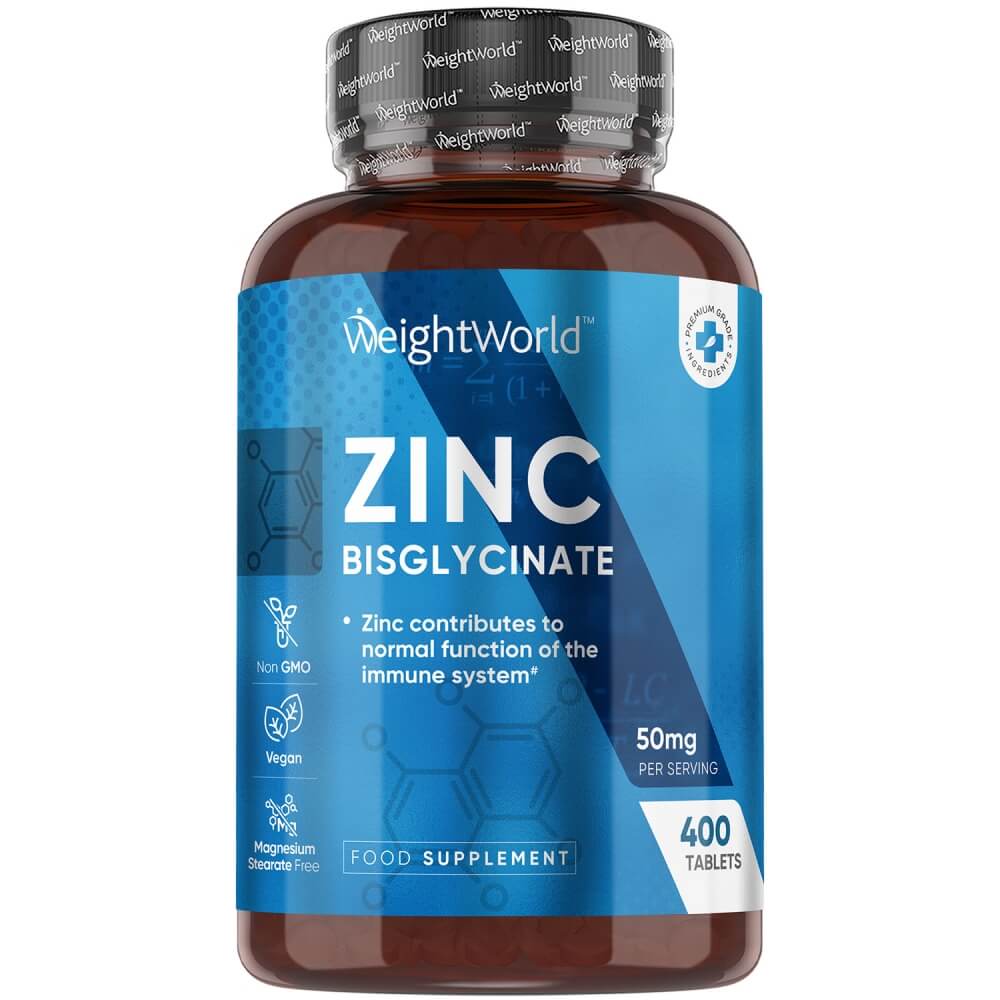
Zinc Bisglycinate 50mg Supplement 400 Tablets for Daily Support
Zinc Bisglycinate 50mg tablets. 400 tablets per bottle for 6+ months supply. Vegan-friendly, gluten-free. Supports immune function, skin, hair, and cognitive health. Made in the UK by WeightWorld.
Who May Benefit from Zinc Supplementation?
While most people obtain sufficient zinc from diet, certain groups face higher risk of inadequate intake.
Vegetarians and Vegans
Plant-based diets provide zinc, but phytates in grains and legumes reduce absorption. Vegetarians may need up to 50% more zinc than meat eaters.
Older Adults
Zinc absorption decreases with age. Older adults often consume less zinc-rich foods and may have conditions affecting nutrient uptake.
Pregnant and Breastfeeding Women
Requirements increase during pregnancy and lactation. Adequate zinc status supports foetal development and infant growth.
People with Digestive Conditions
Inflammatory bowel disease, coeliac disease, and other gastrointestinal disorders impair zinc absorption. Chronic diarrhoea increases zinc losses.
Those with Increased Needs
Athletes, people recovering from surgery, and individuals with chronic wounds may have elevated zinc requirements.
How to Take Zinc
Zinc supplements come in various forms, each with different absorption rates and characteristics.
Common Forms
- Zinc gluconate is frequently used in lozenges and supplements. It has good bioavailability and is generally well tolerated.
- Zinc citrate offers high absorption and is easier on the digestive system than some other forms.
- Zinc picolinate shows excellent absorption in some studies, though research comparing forms is limited.
- Zinc sulphate is cost-effective but may cause more digestive discomfort.
Dosage Considerations
Supplemental doses typically range from 8 – 40mg daily. Higher doses should only be taken under professional guidance.
The UK upper safe level for adults is 25mg daily from supplements. Exceeding this amount long-term may cause adverse effects.
Timing
Zinc is best absorbed on an empty stomach. However, taking it with food reduces nausea and stomach upset.
Avoid taking zinc with calcium supplements, iron supplements, or high-fibre foods, as these interfere with absorption.
Duration
For short-term support during minor illnesses, zinc is typically taken for 5 – 7 days.
Long-term supplementation should be discussed with a healthcare professional, particularly at higher doses.
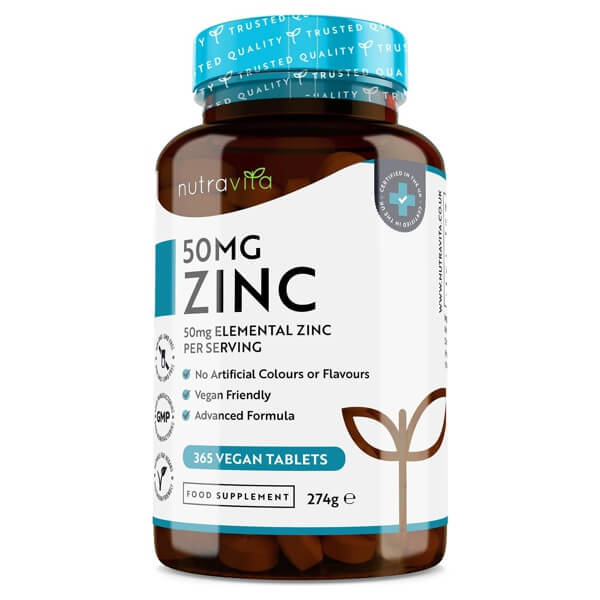
Vitamins & Minerals
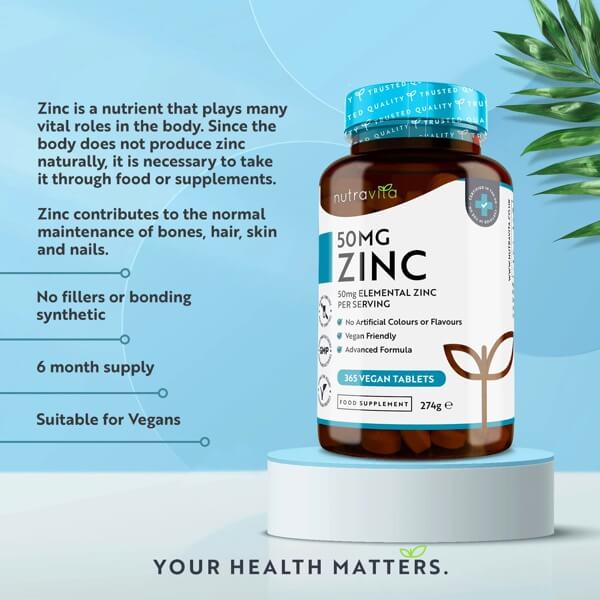
Zinc 50mg High Strength by Nutravita 365 Vegan Tablets
Zinc is an essential nutrient that supports numerous biological functions. Apart from its vital role in immune defense, it protects cells from oxidative stress, and contributes to normal cognitive function, DNA synthesis, carbohydrates and fatty acids metabolism, and in maintaining normal testosterone levels in the blood. All claims are substantiated by EFSA.
Safety, Side Effects and Considerations
Zinc is generally well tolerated at appropriate doses. However, awareness of potential side effects and interactions is important.
Common Side Effects
Digestive discomfort is the most frequent side effect. Nausea, stomach pain, and diarrhoea occur more often with higher doses or when taken on an empty stomach.
Metallic taste may occur, particularly with lozenges or when taken without food.
Risks of Excessive Intake
Taking too much zinc long-term interferes with copper absorption, potentially leading to copper deficiency. This affects iron metabolism and may cause anaemia.
Excessive zinc may impair immune function rather than support it. Doses above 50mg daily should be avoided unless medically supervised.
High zinc intake has been associated with reduced HDL cholesterol in some studies.
Drug Interactions
Zinc reduces absorption of certain antibiotics, including tetracyclines and quinolones. Separate doses by at least two hours.
The mineral may interact with diuretics, penicillamine, and other medications. Consult a healthcare professional if taking prescription drugs.
Special Populations
People with kidney disease should exercise caution, as kidney function affects zinc metabolism.
Those with conditions affecting mineral absorption require individualised guidance.
Zinc supplementation during pregnancy should not exceed recommended amounts without professional advice.
How to Choose a Quality Zinc Supplement
Selecting an appropriate supplement involves considering form, dosage, quality markers, and individual needs.
Look for Reputable Brands
Choose products from established manufacturers with quality assurance processes. UK-based companies often adhere to stricter regulations.
Check Third-Party Testing
Quality supplements undergo independent testing for purity, potency, and contaminants. Look for certifications from recognised testing organisations.
Verify Dosage
Check the elemental zinc content per serving. Product labels should clearly state the amount of actual zinc, not just the weight of the zinc compound.
Consider Form
Select a form appropriate for your needs. Lozenges work best for short-term throat support. Tablets or capsules suit regular supplementation.
Read the Ingredients List
Avoid products with unnecessary fillers, artificial colours, or allergens that concern you.
Check for Balanced Formulas
Some formulations include copper to prevent imbalance during long-term use. A typical ratio is 15mg zinc to 1mg copper.
Review Customer Feedback
While individual experiences vary, consistent reports of quality issues warrant caution.
Best-Selling Zinc Supplements on Amazon UK
Table could not be displayed.Conclusion
Zinc is an essential mineral supporting immune function, wound healing, and numerous cellular processes. While most people meet requirements through diet, certain groups may benefit from supplementation.
Choosing quality products with appropriate dosages helps maintain zinc status safely. Understanding absorption factors and potential interactions ensures effective use.
Speak with a healthcare professional before starting any supplement regimen, particularly if you have existing health conditions or take medications. They provide personalised guidance based on your individual circumstances.