Vitamin D is one of the more consistently important supplements for the UK specifically, given how little usable sunlight is available for much of the year. For a full breakdown of what research actually shows — including the antidepressant-comparison myth worth correcting — see our complete guide to Vitamin D benefits. Below you’ll find our picks, chosen for appropriate dosing and quality certification.
Vitamins & Minerals
Vitamins & Minerals
Vitamins & Minerals
Vitamin D: A Quick Summary
Vitamin D has a well-established, EU-authorised role in normal immune function, bone maintenance (via calcium absorption), and muscle function — genuinely solid, evidence-backed roles rather than a vague “wonder nutrient” framing. Around 1 in 5 UK adults have insufficient levels during winter, given how limited UVB exposure is between October and March specifically.
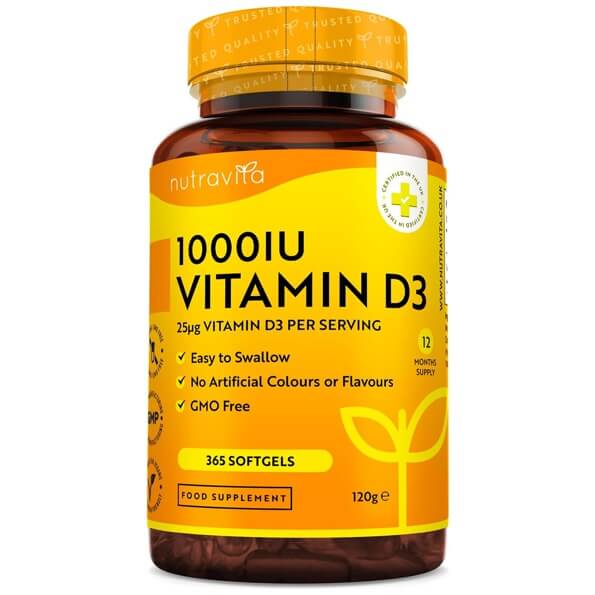
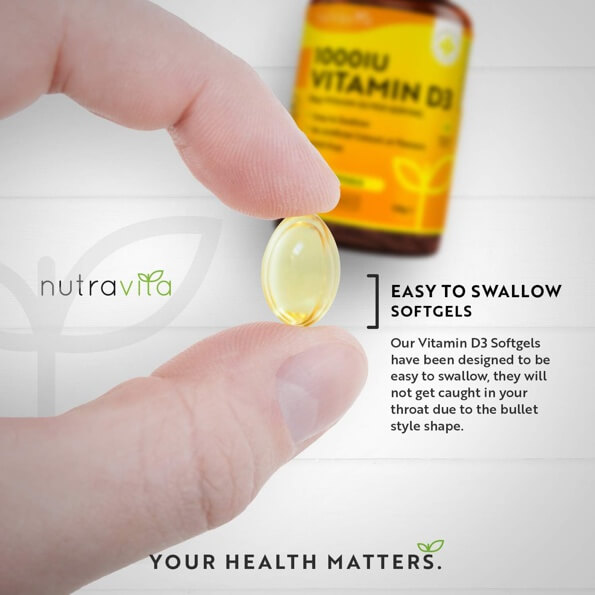
A reasonable general approach is 1,000-2,000 IU daily year-round, with the NHS minimum recommendation of 10mcg (400 IU) particularly relevant October to March — higher doses for confirmed deficiency are best guided by a GP after testing, rather than self-selected. Since vitamin D is fat-soluble, taking it with a meal containing some fat improves absorption. Our full Vitamin D guide covers the evidence for mood, cardiovascular markers, and immune function in more detail — including an important correction on a commonly repeated claim that vitamin D is “comparable to antidepressant medication” for depression, which overstates the actual research.
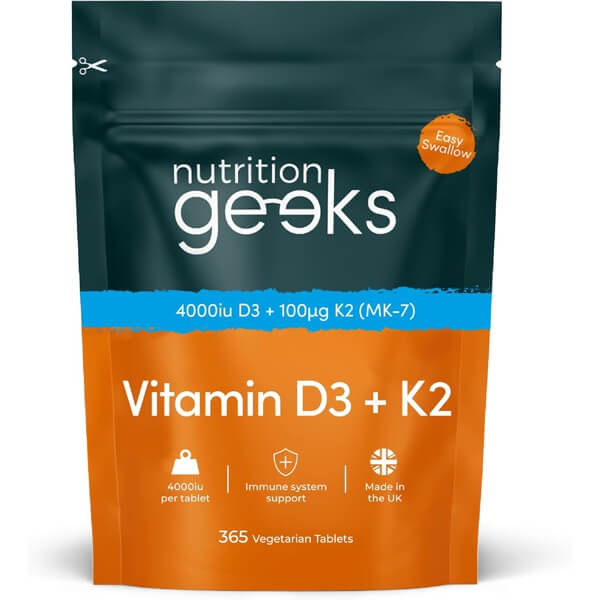
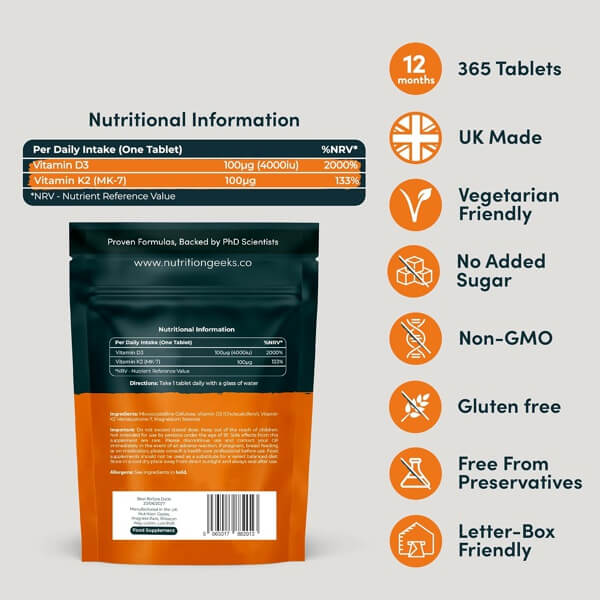
When choosing a supplement, D3 (cholecalciferol) is generally better utilised by the body than D2, and many products now combine D3 with K2 for a complementary role in directing calcium toward bone — covered in more detail in our D3+K2 guide.