Spirulina is a nutrient-dense blue-green algae with a genuine complete amino acid profile, though contamination risk is a real, quantifiable concern that varies considerably by product quality. Below you’ll find our picks, along with an important absolute contraindication (PKU) and an autoimmune caution that go beyond the general “quality products are safe” framing you’ll see elsewhere.
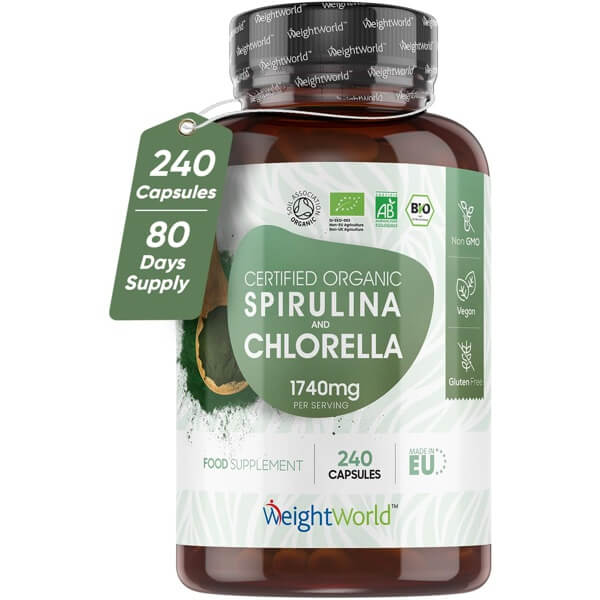
Superfoods & Greens
Spirulina: What Research Actually Shows
Spirulina is a blue-green algae genuinely notable for its nutrient density, including a complete protein profile with all essential amino acids — relevant for people on plant-based diets specifically. As covered in more detail in our mitochondrial health guide, it’s studied for antioxidant compounds including phycocyanin, with some research suggesting a supportive role for energy levels and general antioxidant status, alongside more general claims around immune and skin support that are best read modestly rather than as established, guaranteed effects.
Contamination is the most important quality consideration for spirulina specifically, more than the “algae itself” framing sometimes suggests. Spirulina is commonly grown in open ponds, which makes it vulnerable to contamination from other, genuinely toxic cyanobacteria species, as well as heavy metals. A 2020 multi-laboratory survey found nearly a quarter of tested algae supplements contained unsafe levels of microcystins, a liver-toxic contaminant, with some products containing many times the safe daily limit — this is a real, quantified risk, not a theoretical one, which is why third-party testing specifically for microcystins (not just general heavy metals) is genuinely important when choosing a product, rather than a nice-to-have.
Two groups need particular caution, beyond general supplement advice: spirulina is roughly 60-70% protein and contains meaningful phenylalanine, so anyone with phenylketonuria (PKU) should avoid it entirely, on the advice of food safety authorities including France’s ANSES. And because spirulina has genuine immune-stimulating properties, documented case reports describe flares of autoimmune conditions (including dermatomyositis and certain skin disorders) associated with spirulina use — if you have an autoimmune condition, discuss spirulina with your GP before starting rather than assuming general “immune support” framing applies safely to you.
Spirulina also has mild blood-thinning properties in some research, worth mentioning to your GP if you take anticoagulant medication, and rare cases of allergic reaction (including anaphylaxis in a small number of reports) have been documented. For most healthy adults using a properly tested product, spirulina has a good overall safety record — the real risk concentrates specifically in contamination and the two groups above, not in the algae itself for everyone.
Look for products with third-party testing that specifically includes microcystin analysis, not just general heavy metal screening, and a transparent, traceable cultivation source.