Chromium is studied for a role in insulin function and glucose metabolism, with genuinely inconsistent results across clinical trials. Below you’ll find our picks, with an honest correction on how confidently this ingredient is often marketed for diabetes specifically — and the same safety framing we apply throughout this site when a supplement touches blood sugar medication.
Vitamins & Minerals
Chromium: What Research Actually Shows
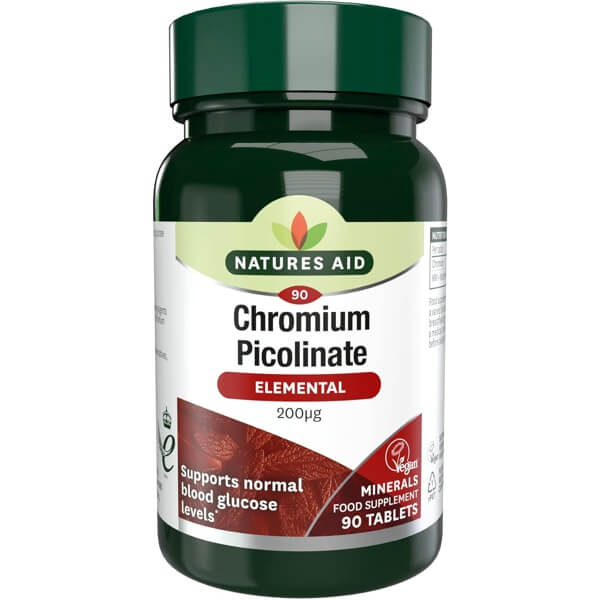
Chromium is a trace mineral involved in how the body responds to insulin, and the UK’s Food Standards Agency recognises it as contributing to normal macronutrient metabolism and maintenance of normal blood glucose levels — a genuine, established baseline role. As covered in more detail in our blood sugar supplements guide, it’s important to be accurate about chromium picolinate specifically, which is what most supplements use and what most research has studied: results across trials exploring insulin sensitivity and glucose tolerance in people with type 2 diabetes have been genuinely inconsistent, and larger, more consistent studies are needed before firmer conclusions can be drawn. This is a more measured picture than “research shows it improves insulin sensitivity” suggests.
If you have diabetes or insulin resistance, chromium is not a substitute for prescribed treatment, and shouldn’t be started without discussing it with your GP or diabetes specialist first — particularly because chromium may have an additive effect alongside diabetes medication, increasing the risk of blood sugar dropping too low. This isn’t a minor caveat; it’s the most important thing to know before adding chromium to a diabetes management plan.
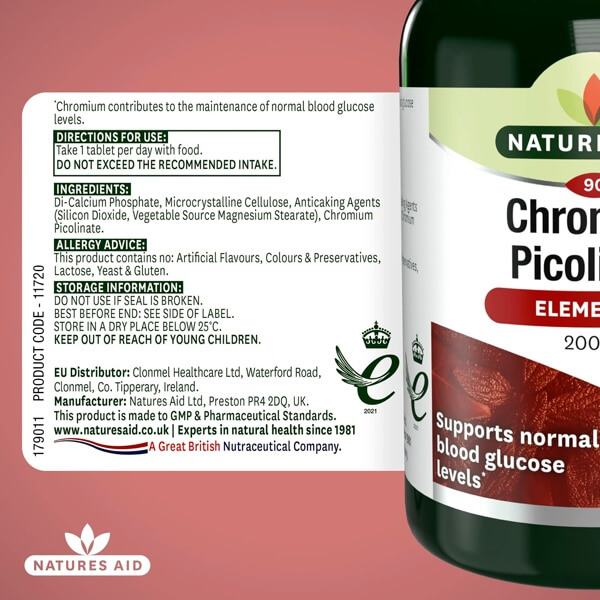
Typical study doses range from 200-1,000mcg daily, though this reflects the range used in research rather than a universal recommendation — your GP or pharmacist can advise on an appropriate amount for your specific situation. Chromium is generally well tolerated at these doses, with mild digestive upset the most commonly reported effect.
When choosing a product, look for third-party testing and clear labelling of chromium content per serving, and treat customer reviews and general marketing claims with some scepticism relative to what the underlying clinical research actually shows.