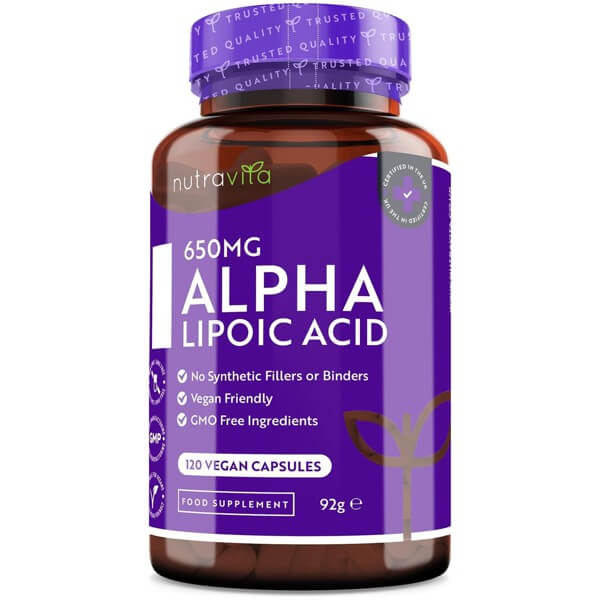
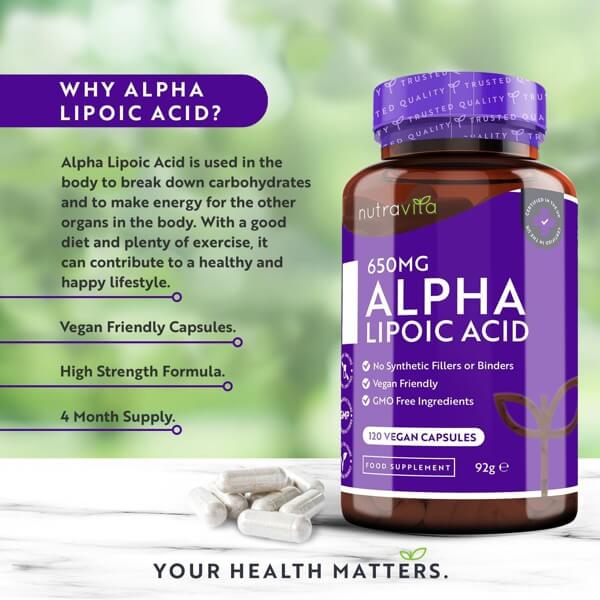
Alpha-lipoic acid is unusual among antioxidants for working in both water- and fat-soluble environments in cells, with genuine research behind its role in diabetic neuropathy specifically. Below you’ll find our picks, along with an important distinction — the nerve-related evidence applies to diagnosed nerve symptoms, not general “nerve health” for everyone.
Immunity & Antioxidants
Alpha-Lipoic Acid: What Research Actually Shows
Alpha-lipoic acid (ALA) is a compound the body produces naturally in small amounts, unusual among antioxidants for working in both water- and fat-soluble environments within cells, which gives it broader reach than antioxidants limited to one environment. As covered in more detail in our blood sugar supplements guide and mitochondrial health guide, ALA’s best-established use is specifically for diabetic neuropathy — nerve-related discomfort associated with diagnosed diabetes — where some trials have reported genuine reductions in symptoms. It’s worth being precise about this: this research is specific to nerve symptoms in diagnosed diabetes, not a general “nerve health” benefit for people without this condition, and should be discussed with a specialist rather than self-managed if this applies to you.
ALA is also studied for a possible role in insulin sensitivity and blood sugar regulation more broadly, and for antioxidant support relevant to liver and kidney health, though its effect on insulin sensitivity specifically is less well established than the neuropathy research. General “skin health” claims rest on a considerably smaller evidence base than the diabetes-related research, and are best read as a secondary, more preliminary area of interest.
If you have diabetes or take blood sugar medication, this is genuinely important: ALA can affect blood glucose levels, and combining it with diabetes medication requires care to avoid blood sugar dropping too low — discuss this with your GP or diabetes specialist before starting, rather than adding it independently. Typical doses range from 200-600mg daily; starting at the lower end helps avoid the stomach upset some people experience at higher amounts, and taking it with a substantial meal tends to help further.
ALA is generally well tolerated otherwise, though it’s worth choosing a third-party tested product with clearly stated dosage, and speaking to your GP before starting if you take regular medication or manage an existing health condition, particularly diabetes.