Milk thistle (Silybum marianum) is one of the more researched herbs specifically for liver health, thanks to silymarin, its active compound. Below you’ll find our picks, along with an honest look at who the evidence actually applies to — it’s stronger for people with diagnosed liver conditions than for general “liver support” in people without one.
Herbal Supplements
Milk Thistle: What Research Actually Shows
Milk thistle has been used for centuries as a traditional liver remedy, and modern research has focused specifically on silymarin, a group of compounds extracted from its seeds, studied for a possible protective role in liver health. As covered in more detail in our guide to liver support and sleep, it’s important to be accurate about where this evidence actually applies: much of the strongest research involves people with diagnosed liver conditions — hepatitis, fatty liver disease, or liver damage from other causes — studied under medical supervision, rather than general “detox” or liver support in people with an otherwise healthy liver.
Research has explored silymarin’s role in liver cell protection against oxidative stress, supporting liver inflammation markers, and general antioxidant activity — genuinely interesting findings, though it’s worth being clear that milk thistle is not a treatment for any diagnosed liver condition, and shouldn’t be used as a substitute for medical care if you have one. If you have a diagnosed liver condition, milk thistle should only be considered alongside your doctor’s guidance, as a possible complement to treatment, not instead of it.
Milk thistle is generally well tolerated in the research available, with mild digestive upset (bloating, loose stools) being the most commonly reported effect. One safety point worth knowing: milk thistle belongs to the same plant family as ragweed, daisies, and marigolds (Asteraceae), so anyone with an allergy to these plants should be cautious and watch for allergic reactions when trying it for the first time. Milk thistle may also interact with certain medications, since it can affect liver enzymes involved in processing some drugs — worth mentioning to your GP or pharmacist if you take regular medication, particularly anything metabolised by the liver.
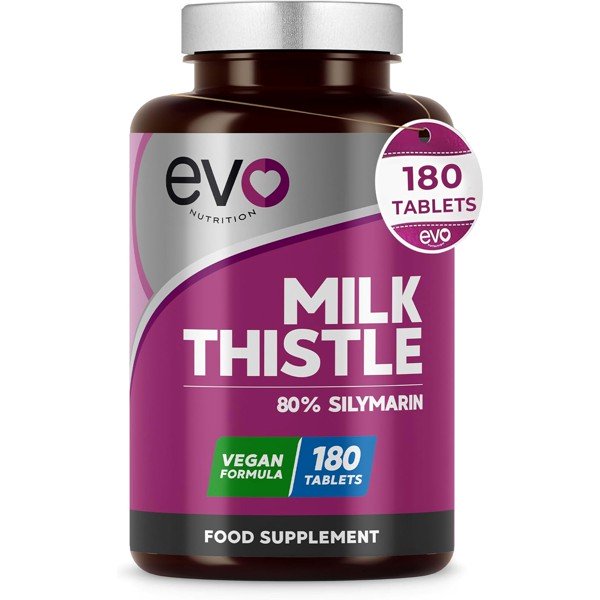
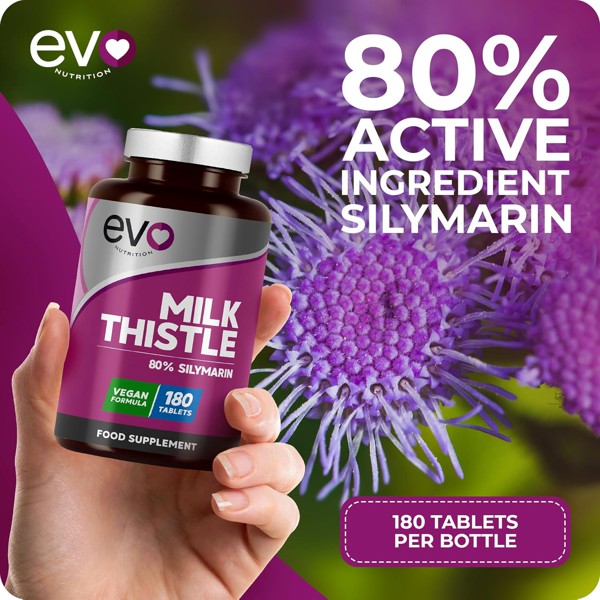
Standardised extracts (commonly 70-80% silymarin content) are generally preferred over unstandardised products, since silymarin content in raw milk thistle can otherwise vary considerably.