Montmorency cherry is one of the richer natural food sources of melatonin, with genuine research support for sleep specifically — its joint-related evidence is more preliminary by comparison. Below you’ll find our picks, along with an honest sense of which of these two uses the evidence actually favours more.

Fruit & Berry Extracts
Cherry Extract: What Research Actually Shows
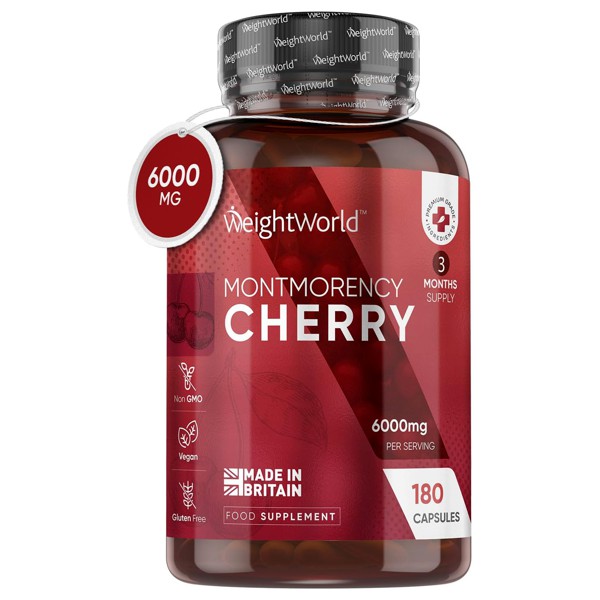
Montmorency cherries are one of the richer natural food sources of melatonin, the hormone central to regulating the sleep-wake cycle, alongside anti-inflammatory compounds including anthocyanins. As covered in more detail in our sleep supplements guide, research published in the European Journal of Nutrition using tart cherry juice specifically found associations with increased sleep duration, improved sleep quality measures, and reduced insomnia symptom scores — genuinely one of cherry’s better-supported uses. It’s worth knowing that most of this research used cherry juice rather than a concentrated extract, so dosing equivalence between the two forms isn’t fully established; a commonly referenced approach is 30ml of concentrate or 2 capsules before bed.
Cherry’s joint-related research is more preliminary by comparison — some studies have explored its anti-inflammatory compounds in relation to exercise recovery and joint comfort, with encouraging but less consistent findings than the sleep research above. It’s a reasonable area of interest rather than an established joint treatment, and shouldn’t be relied on as a substitute for medical care for a diagnosed joint condition.
Cherry extract is generally well tolerated, with mild digestive upset possible at higher doses. Since melatonin itself requires a prescription in the UK, cherry extract is a reasonable food-based alternative for people interested in a melatonin-adjacent approach to sleep, though it’s worth checking with your GP before regular use if you take medication that affects blood sugar, given cherry’s natural sugar content in juice form specifically, or if you take blood-thinning medication, given its mild effects on platelet function reported in some research.