This category covers two genuinely different types of enzyme supplement: digestive enzymes, which help break down specific foods, and systemic (proteolytic) enzymes like bromelain and serrapeptase, studied for inflammation and recovery. Below you’ll find our picks across both, along with a safety point for the systemic category that’s easy to miss — genuine blood-thinning properties.
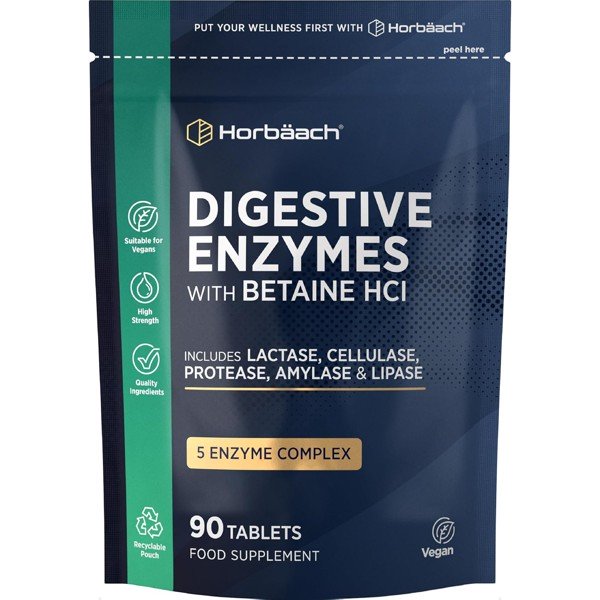
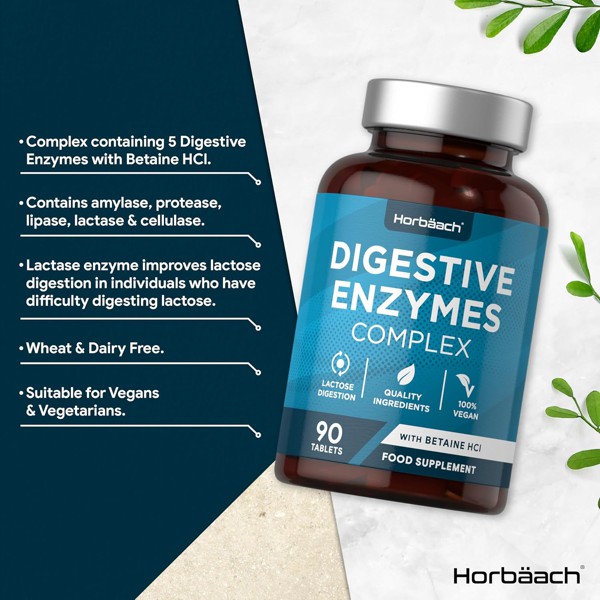
Digestive Health
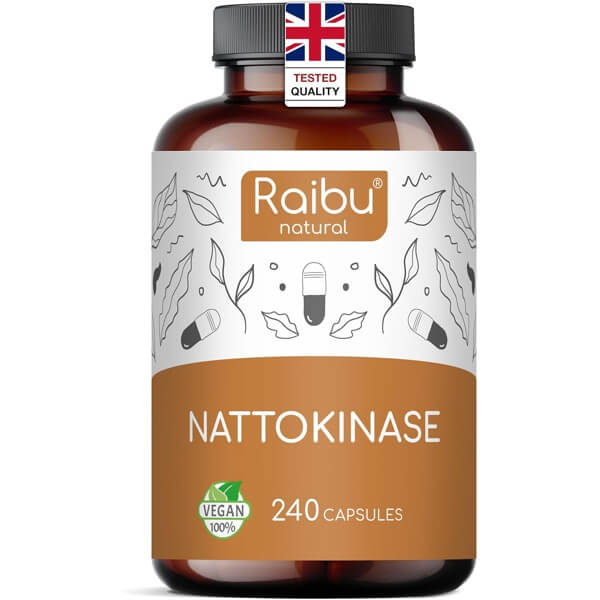
Nattokinase
Enzyme Supplements: What Research Actually Shows
Digestive enzymes and systemic (proteolytic) enzymes serve genuinely different purposes, and it’s worth understanding the distinction before choosing a product. Digestive enzymes — lactase (for dairy), alpha-galactosidase (for beans and certain vegetables), and general enzymes like protease, lipase, and amylase — help break down specific foods, relevant if your body doesn’t produce enough of a particular enzyme naturally, and are covered in more detail in our bloating and IBS guide.
Systemic enzymes are a different category entirely: bromelain (from pineapple) and serrapeptase (originally isolated from silkworms) are proteolytic enzymes taken on an empty stomach specifically so they can be absorbed into the bloodstream, rather than staying in the digestive tract to break down food. They’re studied for anti-inflammatory properties, wound healing, and post-surgical or post-dental recovery, with bromelain having somewhat broader evidence for swelling and bruising, and serrapeptase more specifically studied for dental and sinus-related applications — though it’s worth being clear that research quality varies and neither is established as a substitute for prescribed anti-inflammatory treatment.
The most important safety point for this category, particularly the systemic enzymes: both bromelain and serrapeptase have genuine blood-thinning properties and can enhance the effect of anticoagulant or antiplatelet medication, including warfarin, aspirin, and clopidogrel, increasing bleeding risk. If you take blood-thinning medication or have surgery scheduled, speak to your GP before starting either, and stop use at least two weeks before any planned procedure unless your doctor advises otherwise. Bromelain specifically carries a risk of allergic cross-reactivity in people with pineapple or latex allergies, worth knowing before trying it for the first time.
Serrapeptase and bromelain are typically taken on an empty stomach (30-60 minutes before food or two hours after) for systemic effects, using enteric-coated formulations to help the enzyme survive stomach acid — this is different from digestive enzymes, which are taken with meals specifically to help break down the food you’re eating. When choosing a product, check whether it’s a digestive or systemic formula, since the two aren’t interchangeable, and look for clear labelling of enzyme activity units alongside third-party testing.