Probiotics are live bacteria and yeasts studied for a supportive role in gut health, with evidence varying considerably by strain and use case. Below you’ll find our picks, along with an honest note on which “signs of effectiveness” are genuinely established versus more anecdotal, and a real safety consideration for anyone with a weakened immune system.
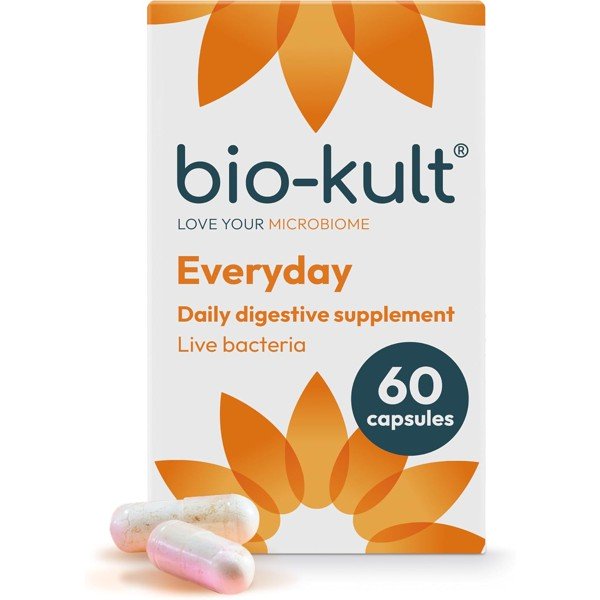

Bacterial Cultures
Probiotics: What Research Actually Shows
Probiotics are live microorganisms studied for a role in gut bacterial balance, digestion, and nutrient absorption. As covered in more detail in our gut microbiome guide, there’s reasonable evidence probiotics can help with some specific situations — easing some IBS symptoms, for instance — though evidence varies considerably by strain and condition, and probiotics aren’t a universal fix for digestive issues generally.
It’s worth being precise about what counts as a genuine sign of effectiveness: improved digestion, more regular bowel movements, and reduced bloating are reasonable things to track, generally over 2-4 weeks of consistent use. “Enhanced mood” and “stronger immune response” specifically are less established outcomes — the gut-brain and gut-immune connections are genuine, active areas of research, but they’re not reliable markers you should expect to notice directly from taking a probiotic.
A genuine safety point that’s easy to overlook given how “harmless” probiotics are generally assumed to be: while very rare, documented cases exist of probiotic-associated bloodstream infections (bacteremia or fungemia), almost exclusively in people who are immunocompromised, critically ill, or have a central venous catheter — certain strains, particularly Saccharomyces boulardii, are specifically not recommended for these groups by health guidance. If you have a significantly weakened immune system, are undergoing chemotherapy, have had an organ transplant, or are otherwise immunocompromised, check with your GP before starting a probiotic rather than assuming it’s automatically safe. For healthy people generally, this risk essentially doesn’t apply, and mild, temporary digestive adjustment (gas, bloating) when starting is the far more common and genuinely harmless experience — starting with a lower dose, switching strains, or addressing an underlying digestive issue first are all reasonable steps if this happens to you.
When choosing a product, multi-strain formulas with a meaningful CFU (colony-forming unit) count are generally preferred over single-strain options, and delayed-release or acid-resistant capsules help more of the bacteria survive stomach acid to reach the gut. Adding a prebiotic fibre source alongside your probiotic is a reasonable, complementary approach, since prebiotics feed the beneficial bacteria you’re introducing.