Vitamin C has a well-established, EU-authorised role in normal immune function and collagen formation, with genuinely solid evidence behind these core roles. Below you’ll find our picks, along with a safety point worth knowing at higher doses — a real association with kidney stone risk that’s easy to overlook given how “safe” vitamin C is generally assumed to be.
Vitamins & Minerals

Vitamins & Minerals
Vitamin C: What Research Actually Shows
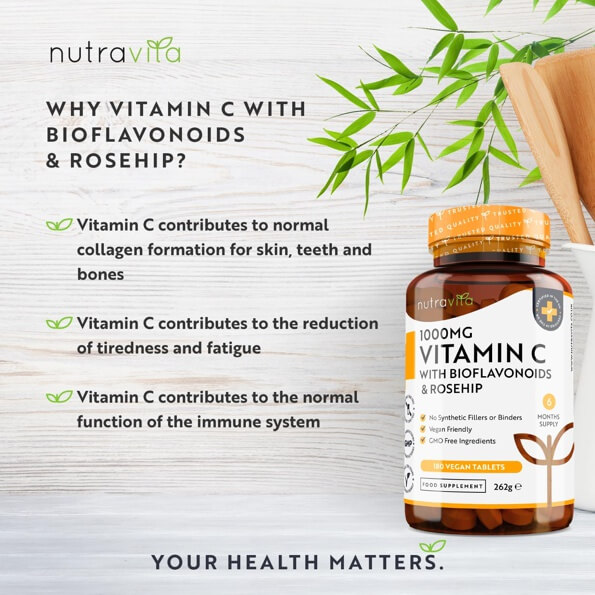
Vitamin C has a well-established, EU-authorised role in normal immune system function, collagen formation (relevant to skin, and connective tissue more broadly), and as an antioxidant protecting cells from oxidative stress. It’s genuinely found across a wide range of fruits and vegetables — citrus, berries, and leafy greens among the richer sources — and, unlike fat-soluble vitamins, isn’t stored by the body, so consistent daily intake matters more than for some other nutrients.
Vitamin C’s role in enhancing iron absorption is genuinely well-documented mechanistically, particularly for non-haem iron (the form found in plant foods) — relevant to preventing iron-deficiency anaemia specifically, one of several types of anaemia, rather than “preventing anaemia” as a blanket claim. General “energy boost” claims are more accurate when framed as supporting the body’s existing energy production processes than a stimulant-like effect.
A safety point worth knowing, particularly relevant given how casually high doses are often marketed: vitamin C intake above around 1,000mg daily is associated with an increased risk of kidney stones in research, particularly in men and in people with a prior history of stones, since excess vitamin C is partly metabolised into oxalate, a component of the most common type of kidney stone. This isn’t a reason to avoid vitamin C, but it’s a reason to be thoughtful about routinely taking very high doses without a specific reason — the UK upper limit is 2,000mg daily from all sources, and staying well hydrated helps mitigate this risk if you do take higher doses. If you have a history of kidney stones, it’s worth discussing your vitamin C intake with your GP.
High-dose vitamin C can also interfere with certain blood glucose meter readings, worth knowing if you monitor glucose regularly, and doses above 1,000-2,000mg can cause digestive upset (diarrhoea, stomach cramping) in some people. As with most supplements, if you’re taking vitamin C for general immune support rather than a specific reason, a moderate dose (around 500mg or less) taken consistently is a reasonable, well-evidenced approach without the added kidney stone consideration that comes with routinely higher amounts.