Iron deficiency is genuinely common in the UK, particularly among women of reproductive age — but unlike most supplements on this site, iron isn’t simply “extra insurance” if you’re not sure whether you need it. Below you’ll find our picks, along with the one point that matters more than any other: confirm a genuine deficiency before starting, rather than assuming tiredness means you need iron.
Vitamins & Minerals
Vitamins & Minerals
Iron: What You Need to Know Before Supplementing
Iron is essential for transporting oxygen throughout the body via red blood cells, and genuine deficiency — common in the UK, particularly among women of reproductive age — can lead to anaemia, causing fatigue, weakness, and reduced exercise tolerance. As covered in more detail in our energy supplements guide, it’s important to be direct about something unique to iron among the nutrients on this site: iron supplementation without a confirmed deficiency isn’t simply “extra insurance” the way it might be for some vitamins. Excess iron accumulates in the body rather than being easily excreted, and can cause genuine harm over time — a blood test confirming deficiency, ideally through your GP, is a far more reliable starting point than matching tiredness to “try iron” on your own.
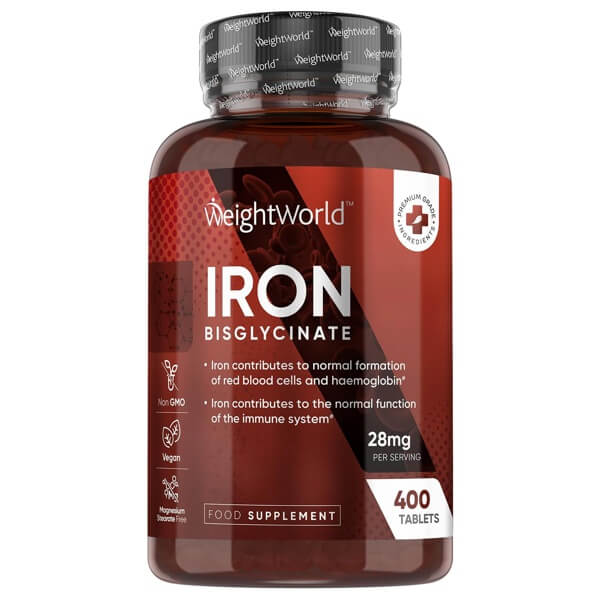
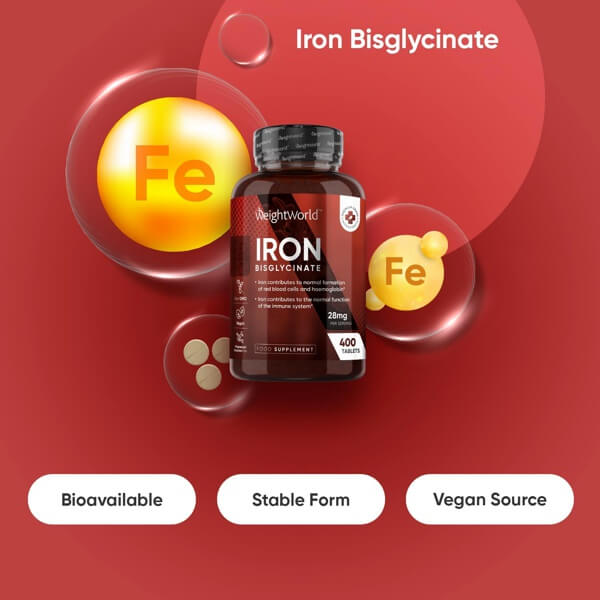
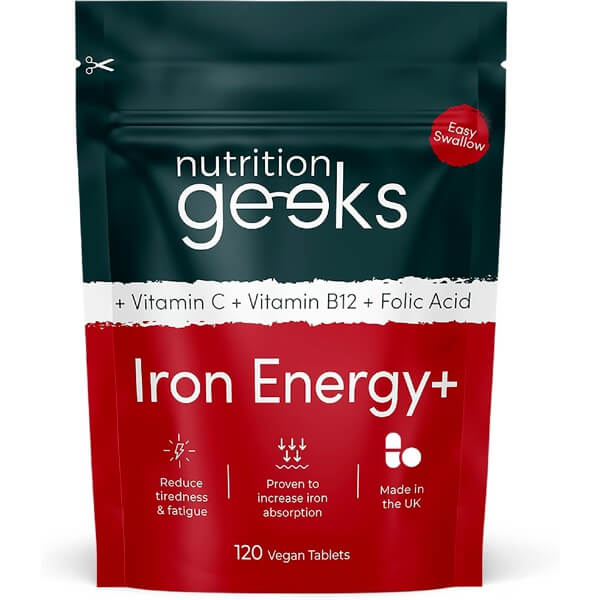
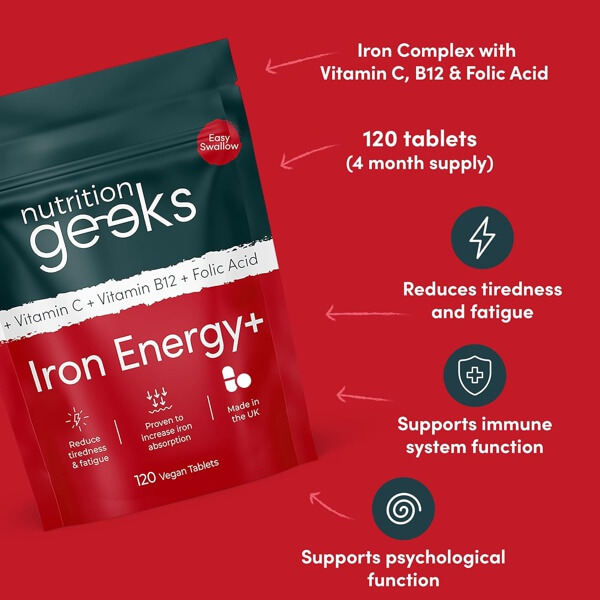
If a deficiency is confirmed, several forms are available: ferrous sulphate is commonly prescribed and highly bioavailable, though it can cause more digestive discomfort than gentler alternatives; ferrous gluconate and iron bisglycinate (a chelated form) are generally easier on digestion; ferrous fumarate contains a high percentage of elemental iron per tablet; and carbonyl iron releases more gradually, which some people find reduces side effects. Vitamin C improves absorption when taken alongside iron, while tea, coffee, dairy, and calcium supplements can meaningfully reduce how much iron your body actually absorbs — spacing these apart by a couple of hours from your iron dose is worth building into your routine.
Common side effects include constipation, nausea, and dark stools, generally more pronounced with higher-dose or less easily tolerated forms. Iron tablets should always be kept well out of reach of children — accidental iron overdose is a genuine, serious poisoning risk in young children, more so than with most other supplements. Iron can also interact with certain medications, including some antibiotics and thyroid medication (via the same absorption-timing issue as with food), so it’s worth mentioning any iron supplement to your GP or pharmacist if you take regular prescriptions. Rebuilding iron stores once a genuine deficiency is confirmed and appropriately dosed typically takes 8-12 weeks of consistent use.