Moringa oleifera leaf is a nutrient-dense plant with a growing body of research, particularly around blood sugar and antioxidant activity, though much of this remains preclinical. Below you’ll find our picks, along with an important distinction between moringa leaf (the part actually studied) and moringa root or bark, which carry a genuine thyroid-related caution worth knowing.
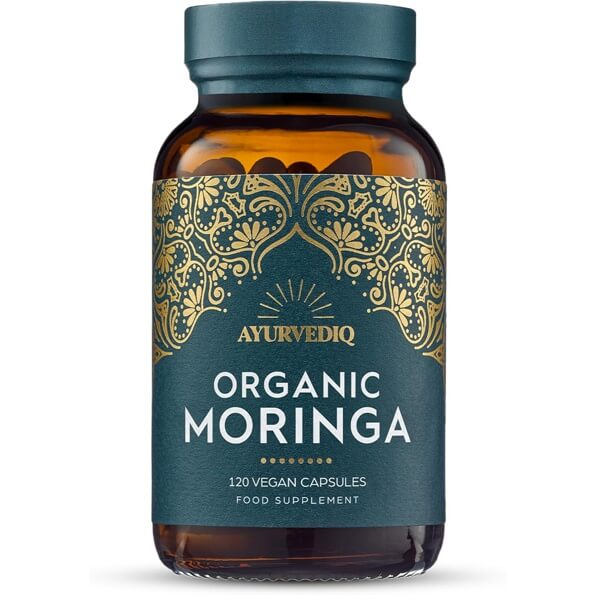
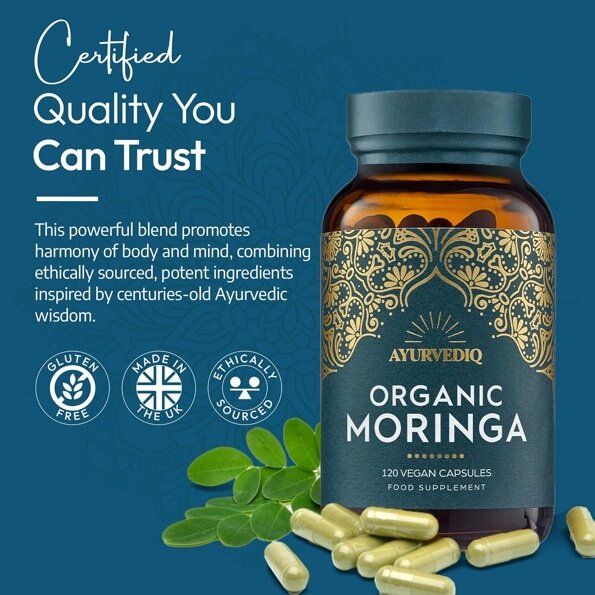
Superfoods & Greens
Moringa: What Research Actually Shows
Moringa oleifera — sometimes called the “drumstick tree” — is a nutrient-dense plant whose leaves are rich in antioxidant compounds including isothiocyanates, quercetin, and chlorogenic acid, alongside vitamins A, C, and E, calcium, and potassium. It’s worth being precise that “superfood” here, as with most plants marketed this way, is a description rather than a scientific classification — moringa is a genuinely nutrient-dense food, not a cure-all.
The most studied area is blood sugar: one human trial found 4g of moringa leaf powder daily reduced fasting glucose by around 28% over 40 days, a genuinely notable single-study finding, though much of the wider evidence base for this effect remains in animal and laboratory research rather than large human trials. A 2025 review of 22 clinical trials and 9 case reports found moringa generally well tolerated, with rare reports of hypersensitivity reactions and, uncommonly, blood clotting-related events — worth knowing if you’re already on blood-thinning medication or have a clotting disorder.
An important distinction worth knowing: moringa leaf is the part with genuine research behind it — moringa root and bark are different, and best avoided. Root and bark preparations contain goitrogenic compounds that can interfere with normal thyroid hormone production and may reduce the effectiveness of thyroid medication such as levothyroxine. If you have a thyroid condition or take thyroid medication, this is worth checking with your GP regardless of which part of the plant a product uses, and it’s worth confirming the product you’re considering is leaf-based specifically.
Given moringa’s studied effect on blood sugar, anyone with diabetes or taking blood sugar medication should discuss regular moringa use with their GP, since combining the two could increase the risk of blood sugar dropping too low. As with any supplement, energy or general wellbeing claims are best understood as reflecting overall nutrient density rather than a specific stimulant-like effect, and general immune claims are better read as “nutrient support” than a guarantee of fewer infections.