Products marketed as “NAD+ supplements” almost always contain NAD+ precursors — nicotinamide riboside (NR) or nicotinamide mononucleotide (NMN) — rather than NAD+ itself, since the NAD+ molecule is poorly absorbed when taken orally. Below you’ll find our picks, along with an important regulatory distinction between the two precursors that most marketing doesn’t explain.
Immunity & Antioxidants
NAD+ Supplements: What You’re Actually Buying
NAD+ (nicotinamide adenine dinucleotide) is a coenzyme essential for cellular energy production and DNA repair, and levels are understood to decline naturally with age. It’s worth being clear from the outset: NAD+ itself is a large molecule with very limited oral bioavailability, so “NAD+ supplements” almost universally contain precursor compounds that the body converts into NAD+, not the molecule itself.
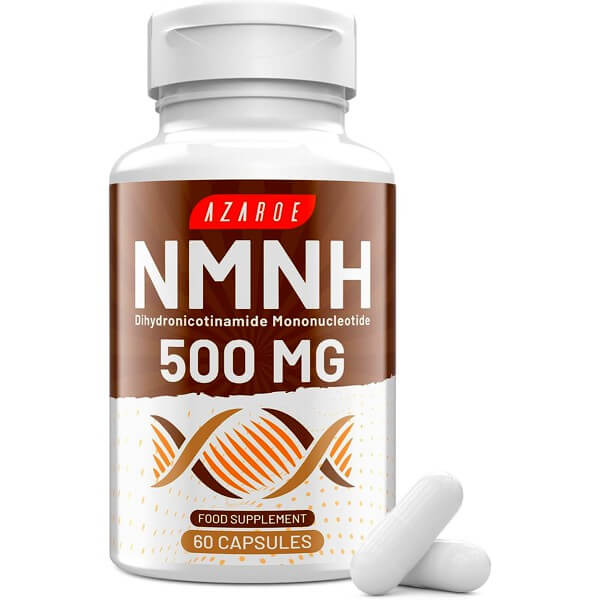
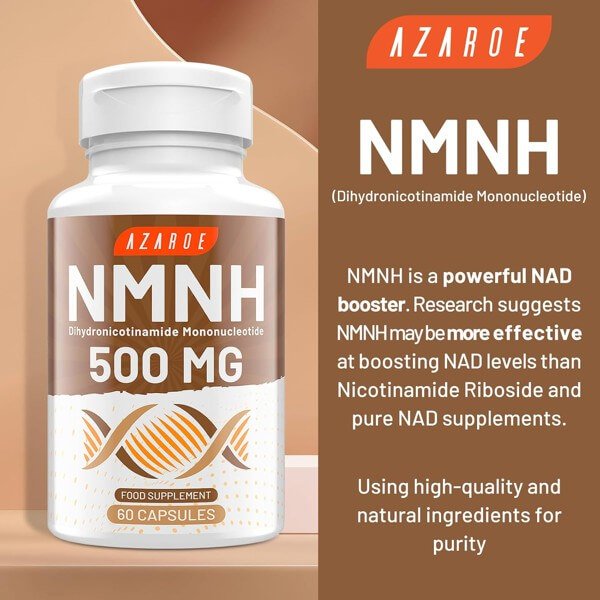
There are two main precursors, and they have meaningfully different regulatory status in the UK — worth knowing before you buy. Nicotinamide riboside (NR) is an authorised novel food in Great Britain, with a maximum daily intake of 300mg for adults, and has reasonably solid human evidence showing it raises blood NAD+ metabolites effectively. Nicotinamide mononucleotide (NMN), as covered in more detail in our longevity supplements guide, is not currently authorised as a novel food in Great Britain or the EU — its regulatory status remains under assessment, and products marketed as NMN sit in a genuinely unsettled regulatory position. Checking which precursor a product actually contains, and confirming NR products stay within the 300mg regulatory limit, is worth doing before purchasing.
It’s important to be realistic about the evidence for either precursor: while human trials confirm both can raise NAD+ levels biochemically, there’s no official link established between NAD+ supplementation and longevity, disease prevention, or reversing ageing in humans — neither the NHS nor NICE recommends NAD+ precursors for any medical condition, and clinical evidence for meaningful health outcomes beyond raising the biomarker itself remains genuinely limited.
NAD+ precursors are generally well tolerated in short-term studies, with mild gastrointestinal symptoms the most commonly reported effect, though comprehensive long-term safety data spanning years isn’t yet available for either compound. As with any supplement in this genuinely early-stage category, speak to your GP before starting if you take regular medication or have an existing health condition, and report any unusual symptoms through the MHRA Yellow Card scheme.