Quercetin is a plant bioflavonoid studied for antioxidant activity, commonly sourced from Sophora japonica flowers in supplement form. Below you’ll find our picks, along with the single most important thing to know about this ingredient — it genuinely interacts with a wide range of common medications, which most quercetin marketing doesn’t mention.
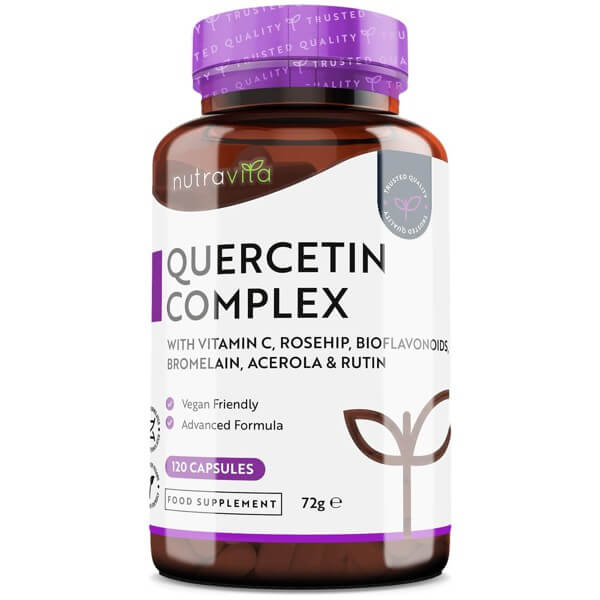
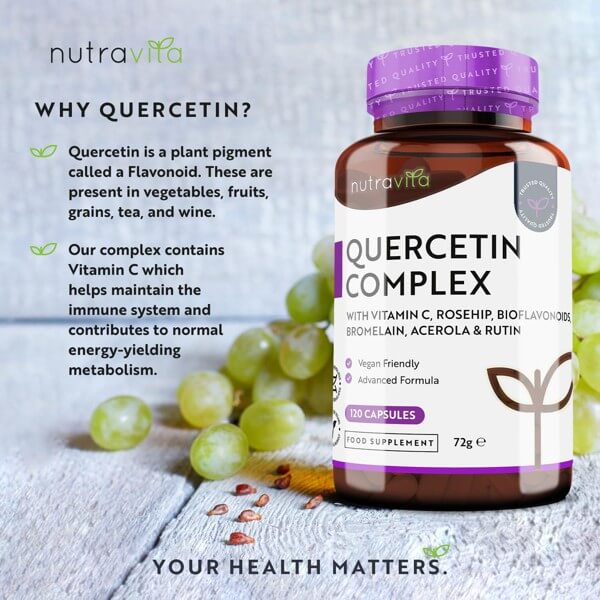
Immunity & Antioxidants
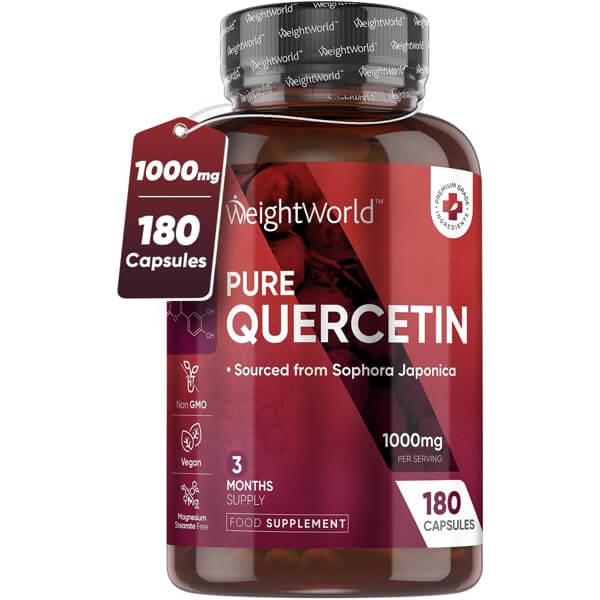
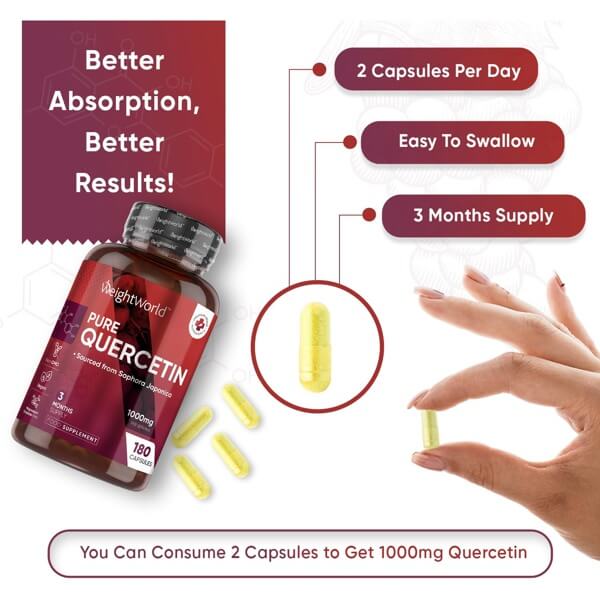
Immunity & Antioxidants
Quercetin: What Research Actually Shows
Quercetin is a flavonoid found naturally in foods like onions, apples, and berries, and studied more concentrated in supplement form for its antioxidant properties. It’s genuinely present across a range of research areas, including cardiovascular markers, general cellular protection, and — as covered in our resveratrol guide, where it’s sometimes discussed alongside other polyphenols — antioxidant activity relevant to cellular ageing.
The single most important thing to know about quercetin, more than for most supplements: it genuinely inhibits several liver enzymes (CYP3A4, CYP2D6, CYP2C19, and CYP1A2) involved in metabolising a wide range of common medications. This isn’t theoretical — there’s a documented clinical case of a patient on stable warfarin therapy experiencing a significantly elevated INR (a measure of blood clotting time) after starting quercetin, which normalised after stopping it. Medications affected by these same pathways include certain antidepressants (such as paroxetine and venlafaxine), some heart and blood pressure medications (including flecainide and metoprolol), tamoxifen, and quinolone antibiotics, among others. If you take any regular prescription medication, it’s genuinely worth checking with your GP or pharmacist before starting quercetin, rather than assuming it’s automatically compatible because it’s a “natural” antioxidant.
Cyclosporine specifically should not be combined with quercetin without direct medical supervision, given a well-documented interaction risk. If you have kidney problems, quercetin is worth discussing with your GP first, and safety data during pregnancy and breastfeeding is limited, so it’s best avoided in these situations without medical guidance.
Clinical research has generally used doses up to 500mg twice daily without serious adverse events reported, which is a reasonable reference range if you’re considering a product — mild digestive upset (nausea, headache) is the most commonly reported side effect, particularly when starting.
When choosing a product, look for clear labelling of quercetin content per serving, third-party testing, and — given the interaction profile above — resist the temptation to combine it casually with other supplements or medications without checking first.