Turmeric’s active compound, curcumin, has genuine research behind anti-inflammatory and antioxidant properties, appearing across many of our guides — joint comfort, brain health, heart health, and liver support among them. Below you’ll find our picks, along with the one safety point that matters more than any other for this specific ingredient: a rare but genuine liver risk in concentrated supplement form.
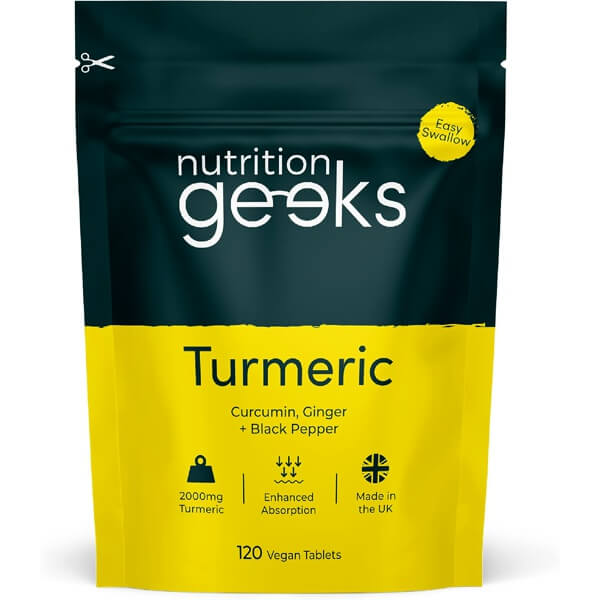
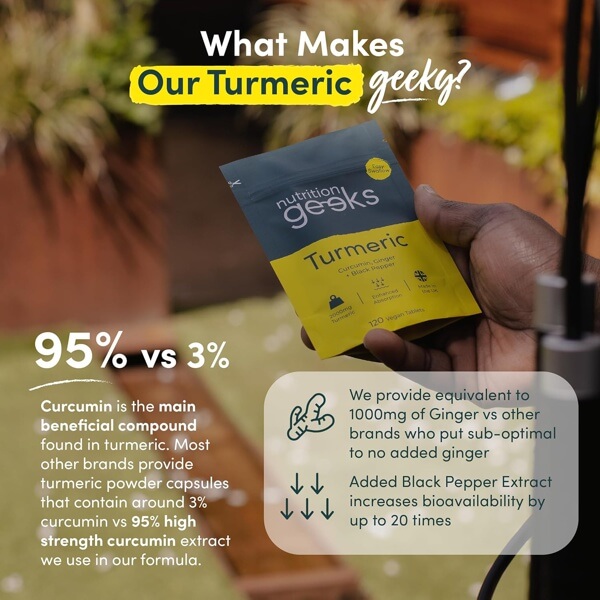
Traditional Herbs
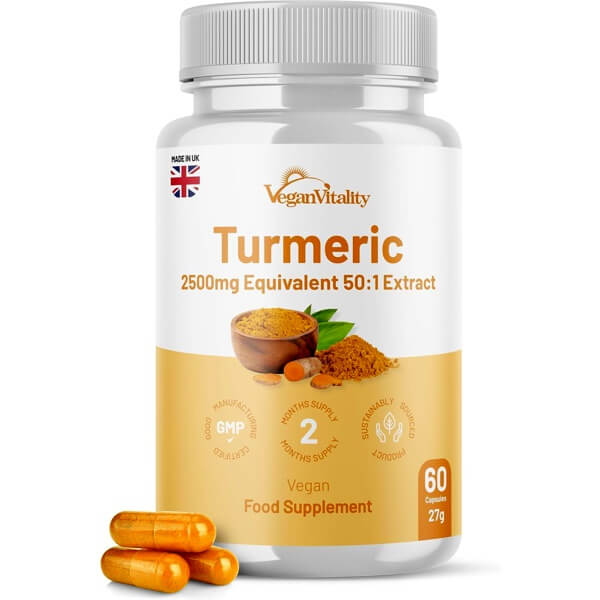
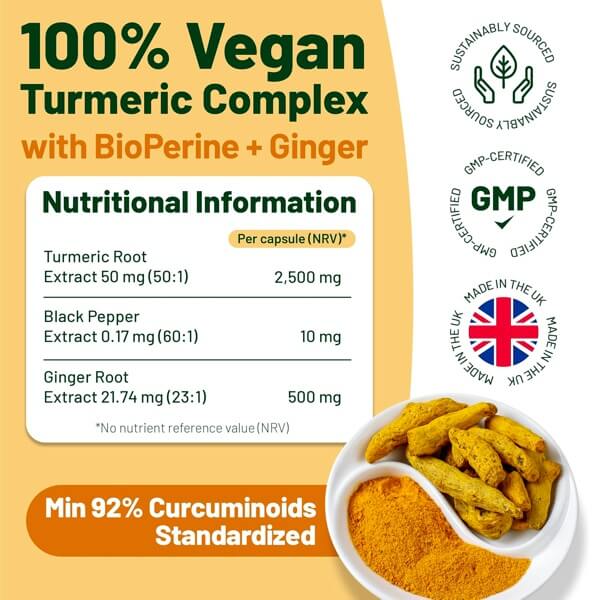
Traditional Herbs
Traditional Herbs
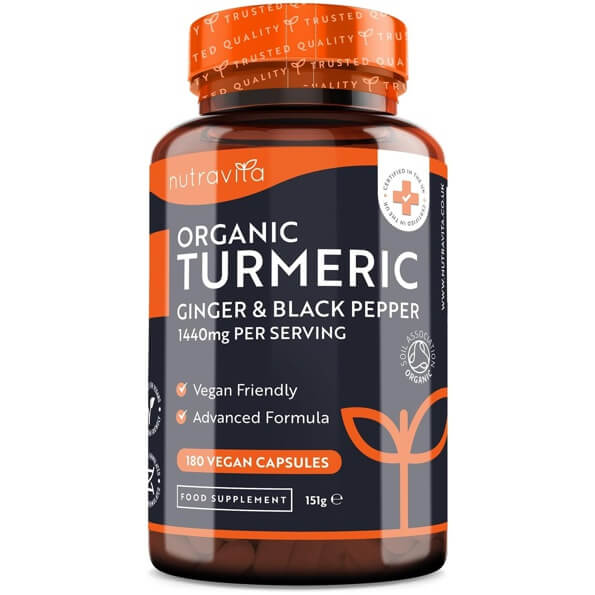
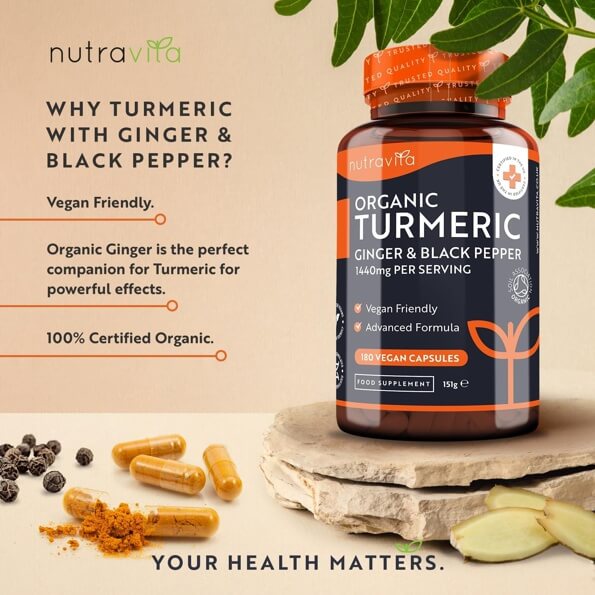
Organic Turmeric with Black Pepper & Ginger 180 Vegan Capsules
Traditional Herbs
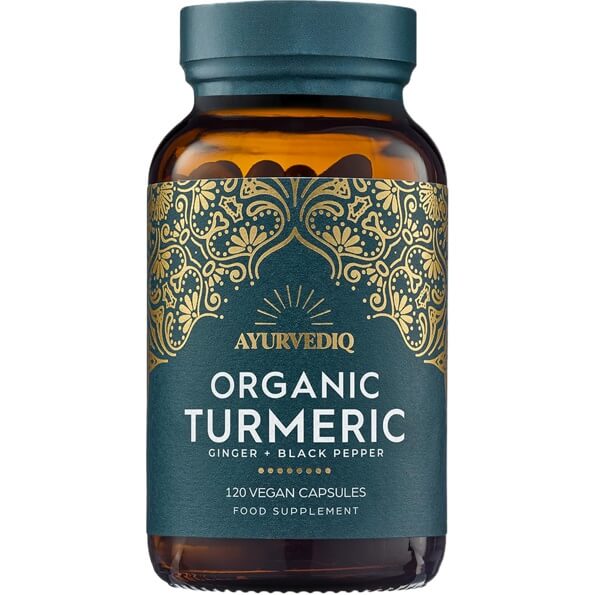
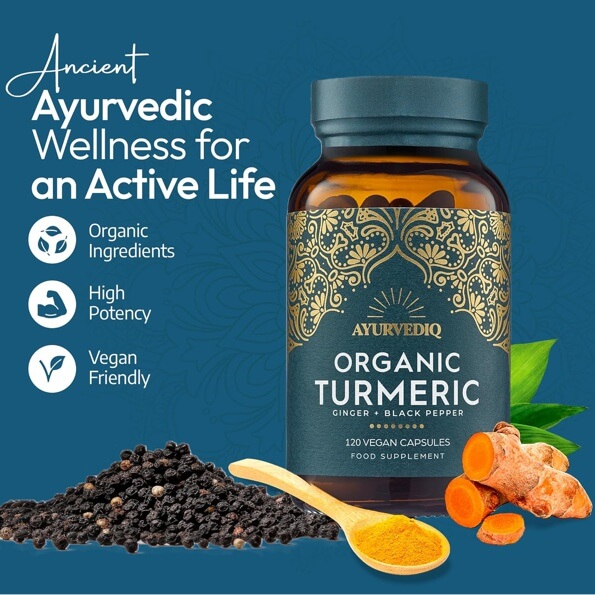
Organic Turmeric Ginger and Black Pepper Capsules 120 Vegan Caps
Turmeric and Curcumin: What Research Actually Shows
Curcumin, turmeric’s main active compound, is studied for anti-inflammatory and antioxidant properties across a genuinely wide range of research areas — joint comfort, brain health, cardiovascular markers like endothelial function, and general cellular protection. It’s worth being precise about the strength of these claims: research into joint comfort is reasonably supported but doesn’t establish curcumin as a treatment for diagnosed arthritis, and research into brain health remains preclinical for anything relating to specific neurodegenerative conditions — curcumin is not a treatment or prevention for Alzheimer’s, Parkinson’s, or any diagnosed brain disease, whatever “reduces the risk of brain diseases” style marketing sometimes implies.
Natural curcumin is poorly absorbed by the body on its own, which is why formulations with enhanced bioavailability — often paired with black pepper extract (piperine), or using specific delivery technologies — are generally recommended if you want curcumin specifically for any of the purposes above, rather than plain turmeric powder or unenhanced curcumin capsules.
The single most important safety point about curcumin, worth knowing before anything else on this page: concentrated curcumin supplements have, in rare cases, been linked to documented instances of liver injury, reported through the MHRA’s Yellow Card adverse event scheme and similar systems elsewhere. This appears uncommon and isn’t fully understood, but it’s a genuine reason for caution — if you notice unusual fatigue, yellowing skin or eyes, dark urine, or abdominal pain after starting a turmeric or curcumin supplement, stop taking it and see your GP promptly. This risk specifically relates to concentrated supplements, not turmeric used as a culinary spice in food.
Curcumin also has mild blood-thinning properties, worth knowing if you take anticoagulant medication, and it may affect gallbladder function, so anyone with gallstones or bile duct issues should check with their GP before use. As with any supplement, speak to your GP before starting if you take regular medication or have an existing health condition — curcumin can interact with several drug classes given its effect on liver enzymes involved in drug metabolism.
When choosing a product, look for a stated curcuminoid percentage, a bioavailability-enhancing ingredient (commonly piperine), and third-party testing — and keep expectations realistic: curcumin is a reasonable complement to an anti-inflammatory approach to health, not a stand-alone cure for any diagnosed condition.