Berberine is one of the more researched plant compounds for blood sugar-related markers, with several small clinical trials showing genuine effects. Below you’ll find our picks, along with the same important framing we use throughout this site: berberine is not a substitute for medical management of blood sugar, and needs real care if you take diabetes medication.
Herbal Supplements
Berberine: What Research Actually Shows
Berberine is a compound found in several plants, including goldenseal and barberry, and is one of the more researched natural compounds in this category — several small clinical trials have reported effects on blood glucose markers, and some research has explored effects on cholesterol and cardiovascular markers too. As covered in more detail in our blood sugar supplements guide, it’s important to be direct about what this means in practice: if you have elevated blood sugar, this is a genuine medical matter for your GP to assess and guide, not something to self-manage primarily through supplementation, however confidently it’s marketed. Berberine may be something to discuss as a possible complement to a GP-guided plan, but it is not established as a treatment for elevated blood sugar, prediabetes, or diabetes on its own.
The most important safety point: berberine can interact meaningfully with diabetes medication, increasing the risk of blood sugar dropping too low (hypoglycaemia). If you take insulin or other diabetes medication, do not start berberine without first discussing it with your GP or diabetes specialist — this genuinely isn’t optional, given how real the interaction risk is. Berberine is also processed by liver enzymes involved in metabolising many other medications, so it may affect how other drugs are broken down in the body; if you take regular prescription medication of any kind, mention berberine to your GP or pharmacist before starting, rather than assuming it’s automatically compatible.
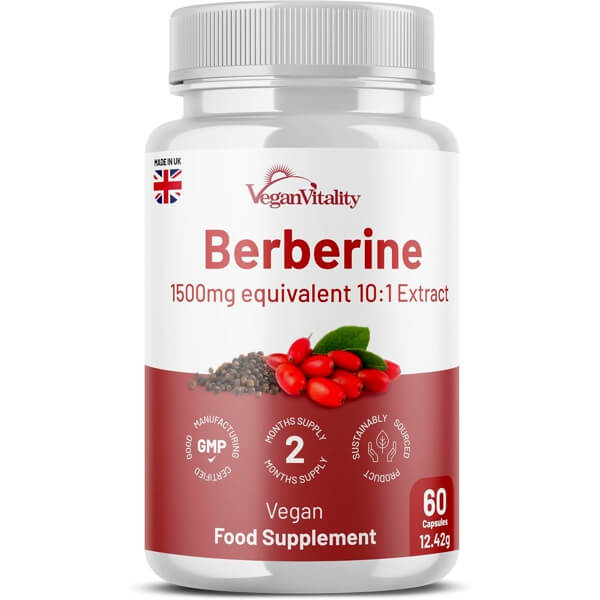
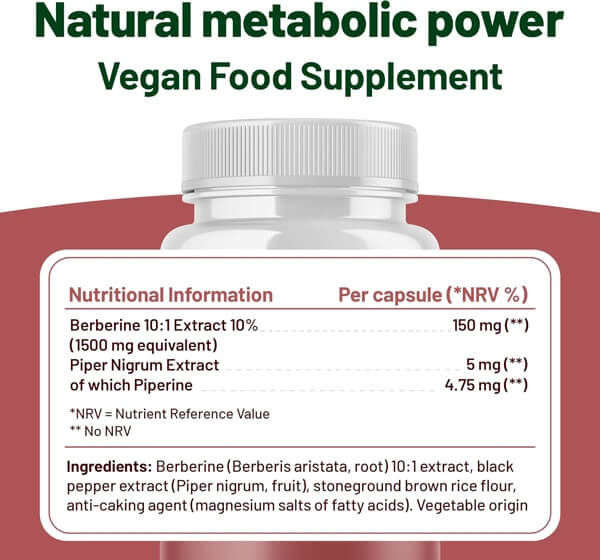
Study quality varies across the berberine research base, and most trials are relatively short-term, so it’s worth treating specific comparisons to medication with real caution — berberine’s effects, where genuine, shouldn’t be assumed to match those of prescribed treatment. Berberine supplements typically come in 500mg capsules, with research protocols commonly using 1-1.5g daily divided into two to three doses with meals, though this is a starting reference point for discussion with your GP or pharmacist, not a self-directed prescription.
Mild digestive discomfort (bloating, diarrhoea, constipation) is the most commonly reported side effect, particularly when starting. Berberine isn’t recommended during pregnancy or breastfeeding, given limited safety data. When choosing a product, look for third-party testing and clear labelling of berberine content per serving, rather than vague “proprietary blend” language.