Reishi (Ganoderma lucidum) is studied mainly for stress and sleep, with research also exploring immune-related properties. Below you’ll find our picks, along with an important, somewhat unexpected correction: reishi’s relationship with liver health is more nuanced than “protective” — worth knowing before choosing a product, particularly for extended daily use.
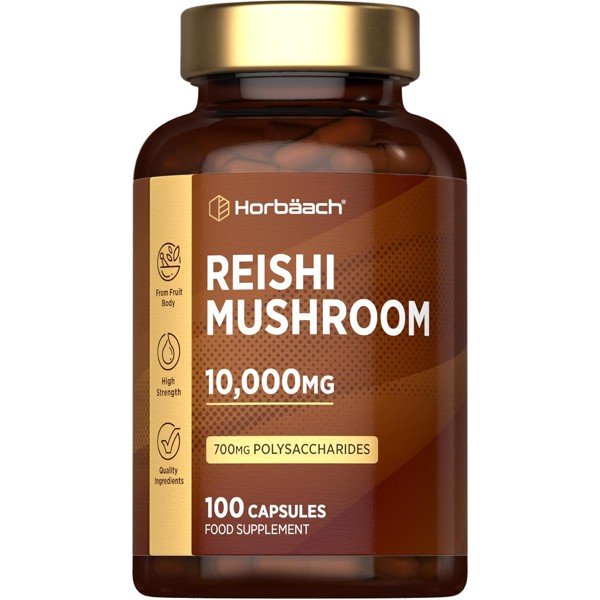
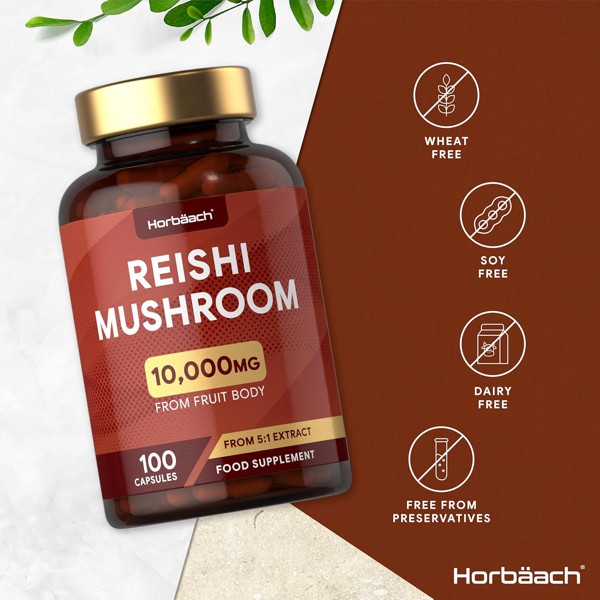
Reishi Mushroom: What Research Actually Shows
Reishi mushroom (Ganoderma lucidum) contains beta-glucans and triterpenes studied for a role in immune modulation, and as covered in more detail in our medicinal mushroom guide, it’s also discussed in relation to sleep quality and stress response during demanding periods — genuinely one of its more interesting research areas. It’s worth being cautious about linking reishi to “fewer colds” specifically: its immune-modulating properties are a real area of research interest, but this is different from a proven preventive effect against infections.
An important, somewhat counter-intuitive correction: reishi’s relationship with liver health is more complicated than “protective,” and this matters for a supplement often marketed specifically for liver support. While some research has explored hepatoprotective properties, there are also genuine, documented case reports — including a systematic review in the Journal of Clinical Gastroenterology — of acute liver injury associated with reishi use. This appears strongly linked to high doses, continuous use over months without breaks, combining reishi with alcohol, or use in people with pre-existing liver conditions. The absolute risk is low — documented cases number in the dozens against millions of users worldwide — but it’s a genuine reason for caution rather than an ingredient to assume is automatically liver-protective. If you drink alcohol regularly, have an existing liver condition, or plan to use reishi daily for more than a couple of months, it’s worth mentioning this to your GP, and periodic liver function blood tests are a reasonable, inexpensive precaution for extended use.
Two further safety points worth knowing, covered in more detail in our mushroom guide: reishi has mild blood-thinning properties in some research and may interact with anticoagulant or antiplatelet medication — worth discussing with your GP if you take blood thinners or have surgery scheduled. And because of its immune-modulating properties, anyone with an autoimmune condition or taking immunosuppressant medication should check with their GP before use, rather than assuming general “immune support” framing applies safely to their situation.
Claims about reishi and hormonal balance or menopause support rest on limited evidence and are best read as an area of traditional interest rather than an established effect. Reishi is generally taken as capsules or powder (1-2g of extract in the evening is a commonly referenced amount), often as part of a wind-down routine given its studied relaxation properties.