Cordyceps is a medicinal mushroom studied mainly for energy-related and exercise performance research, with some human trials showing genuine, if mixed, results. Below you’ll find our picks, along with corrections on a couple of claims — respiratory disease treatment and hormonal effects — that go further than current evidence supports.
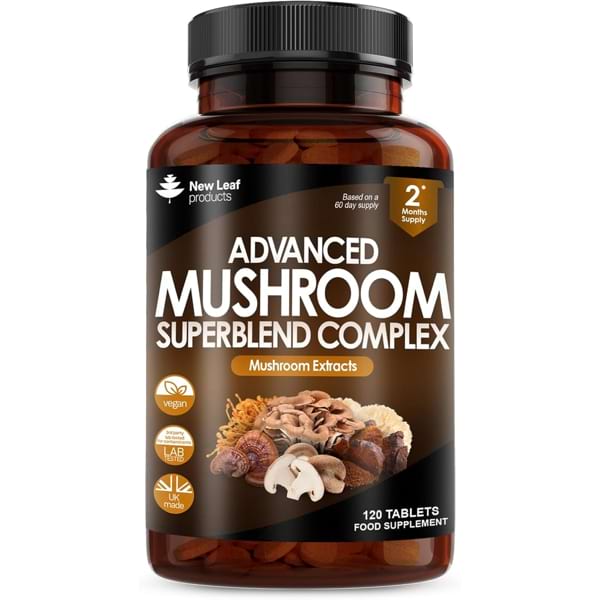
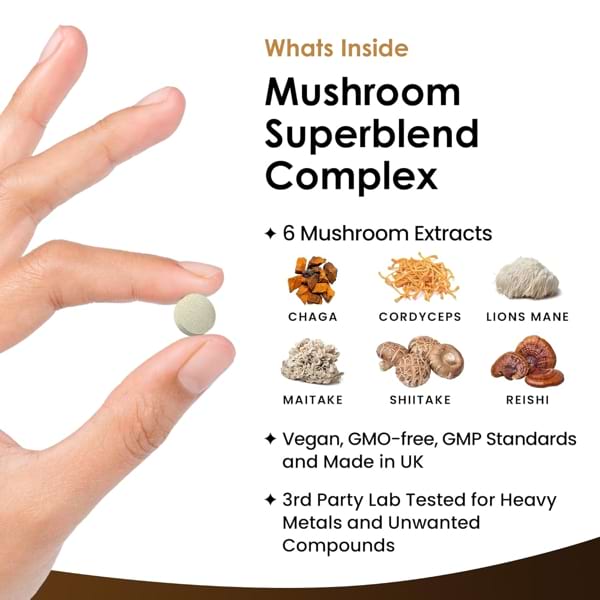
Mushroom Complex
Cordyceps: What Research Actually Shows
Cordyceps has a long history in traditional Chinese medicine, and modern research, as covered in more detail in our medicinal mushroom guide, has focused mainly on its role in supporting ATP production and oxygen utilisation during exercise. Several genuine human trials have explored cordyceps and measures like VO2 max and exercise performance, with some — though not all — reporting improvements; results vary between studies, making this a promising rather than fully settled area of sports nutrition research.
It’s important to correct two claims sometimes made about cordyceps that go beyond what current evidence supports. First, while cordyceps has traditional use in respiratory contexts, it is not an established treatment for asthma or any other diagnosed respiratory condition, and shouldn’t be used as a substitute for prescribed treatment if you have one. Second, claims about cordyceps directly supporting testosterone levels or “balancing hormones” in women rest on limited, largely preclinical research rather than robust human trials — genuinely interesting areas for future study, but not established effects to expect or rely on.
General immune-related claims are worth reading modestly too: cordyceps contains compounds studied for immune-modulating properties, which is different from a guarantee of “strengthened” immunity or fewer infections. Because of this immune-modulating mechanism, anyone with an autoimmune condition or taking immunosuppressant medication should check with their GP before regular use. Cordyceps may also affect blood sugar in some research, worth knowing if you’re diabetic or take blood sugar medication, since combining the two could affect glucose control.
Cordyceps is generally well tolerated, with mild digestive discomfort the most commonly reported effect. Look for products specifying the actual Cordyceps militaris or Cordyceps sinensis species used, third-party testing, and — since most commercial cordyceps is now lab-cultivated rather than wild-harvested — clear information on cultivation method, since this affects both sustainability and consistency of active compound content.