Ginger (Zingiber officinale) is one of the more researched natural remedies, with genuinely solid evidence specifically for nausea and reasonable research for exercise-related muscle soreness. Below you’ll find our picks, with an honest note on which digestive claims the evidence actually supports most strongly.
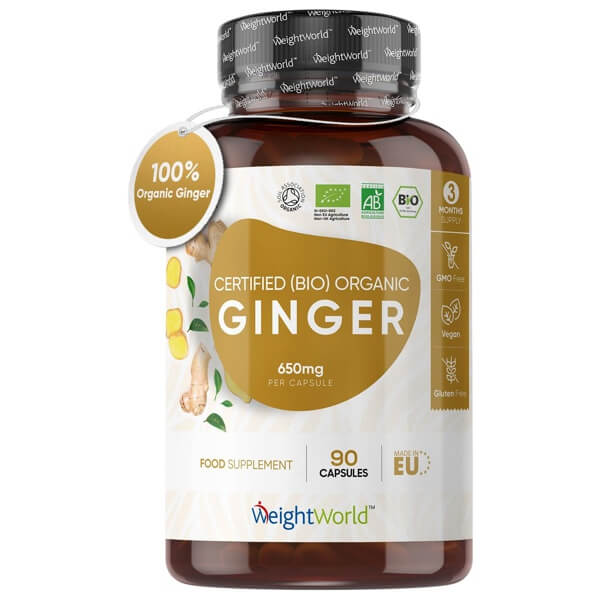
Herbal Supplements
Ginger: What Research Actually Shows
Ginger has centuries of traditional use and, unusually for a traditional remedy, a genuinely solid modern evidence base for one specific use: nausea. Research consistently supports ginger for nausea related to pregnancy, motion sickness, and chemotherapy, making this its best-established application by some distance. As covered in more detail in our guide to bloating and IBS, it’s worth being precise here: most of ginger’s strongest evidence relates to nausea specifically, rather than bloating or IBS directly, even though it’s often marketed for digestive comfort more broadly. Ginger is understood to support digestive processes and gut motility generally, which is the more accurate way to describe its broader digestive relevance.
Ginger contains gingerols and shogaols, compounds studied for anti-inflammatory properties, with reasonable research supporting a role in reducing muscle soreness after exercise and some evidence for menstrual discomfort specifically. It’s worth being measured about broader “immune support” claims — general antioxidant content is a more accurate description than a guarantee of enhanced immune defence or fewer infections.
Most research uses doses in the 1-4g range daily, generally taken with food, though it’s sensible to start at the lower end and increase gradually — particularly if you’re new to ginger supplements, since mild heartburn or digestive upset is the most commonly reported effect at higher doses. Ginger has mild blood-thinning properties, so speak to your GP before regular use if you take blood-thinning medication, have gallbladder issues, have surgery scheduled, or are pregnant or breastfeeding (where lower, well-established doses for nausea specifically are generally considered appropriate, but worth confirming with your midwife or GP). If you have diabetes, ginger may have a mild effect on blood sugar, worth mentioning to your GP if you take diabetes medication.
When choosing a product, look for standardised extracts stating gingerol content specifically, rather than vague “ginger extract” without further detail, and check for third-party testing and a clean ingredient list.