Black elderberry (Sambucus nigra) has a long history of traditional winter use, with a growing body of research exploring its role in cold and flu symptoms specifically. Below you’ll find our picks, along with the dosing detail that matters most — preventive use looks different from symptom-onset use — and an important note on why commercial extracts differ from raw elderberry.

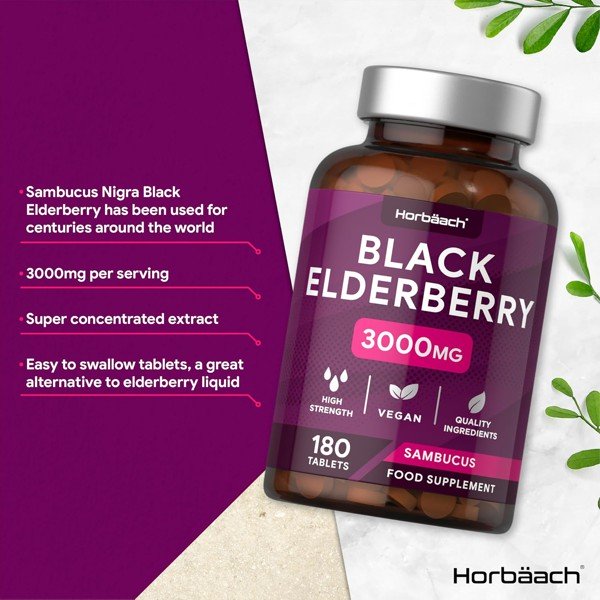
Fruit & Berry Extracts
Elderberry: What Research Actually Shows
Elderberry contains anthocyanins and other plant compounds studied for antioxidant and immune-related properties, and as covered in more detail in our immune supplements guide, several studies have suggested a possible reduction in symptom duration and severity for upper respiratory infections specifically. It’s worth being accurate about the evidence: study quality and sample sizes vary across this research, and elderberry isn’t established as a treatment for flu, COVID-19, or any other diagnosed respiratory illness — it’s a reasonable, traditionally-supported option for general symptom support, not a substitute for medical care if you’re seriously unwell.
Dosing genuinely differs by purpose: for general preventive use during cold season, 300-600mg daily is a commonly referenced range, while at the first sign of symptoms, some research has used higher amounts (1,200-1,500mg daily) for a short period (5-7 days), with earlier use generally considered more useful than starting once symptoms are already established. Standardised extracts are generally preferred over homemade preparations for consistent potency.
An important distinction worth knowing: commercial elderberry supplements use properly processed, ripe berries, which is different from raw or unripe elderberries and other plant parts (leaves, stems, bark, seeds), which contain compounds that can cause nausea and digestive upset if eaten raw or improperly prepared. This isn’t a concern with reputable commercial supplements, which use standardised, safely processed extracts, but it’s worth knowing if you’re ever tempted to forage or prepare elderberry yourself rather than using a tested product.
Given elderberry’s immune-modulating properties, anyone with an autoimmune condition or taking immunosuppressant medication should check with their GP before regular use, since stimulating immune activity isn’t necessarily desirable in that context. As with many plants in this category, elderberry may also interact with certain medications affecting the immune system — worth mentioning to your GP or pharmacist if you take regular prescriptions.