Shatavari (Asparagus racemosus) is an Ayurvedic herb with a long history of traditional use for women’s reproductive health, digestion, and stress resilience. Modern research is genuinely interested in several of these traditional uses, but much of it remains at an early, preclinical stage — worth knowing before choosing a product, particularly if fertility is your main reason for considering it.
Ayurvedic Remedies
Shatavari: What Research Actually Shows
Shatavari has been used in Ayurvedic medicine for centuries, primarily in relation to women’s reproductive health — menstrual regularity, lactation support, and menopausal symptoms among its traditional applications — alongside traditional use for digestion and as an adaptogen for stress. The root contains steroidal saponins (including compounds called shatavarins), thought to be responsible for many of its traditional uses.
It’s important to be precise about the current evidence, since Shatavari is often marketed with more confidence than the research actually supports. Reviews describe its fertility-related effects as showing “potential” and “promise,” based mainly on mechanistic and preclinical research, with the researchers themselves consistently noting that “further comprehensive clinical studies are necessary” before any effect can be confirmed in people. One combination trial (Shatavari alongside three other herbs) found a reduction in menopausal hot flushes and night sweats over 12 weeks, though with no measurable change in hormone levels — a modest, mixed finding rather than clear confirmation of a hormonal effect. Shatavari’s traditional use for digestion and as an adaptogen for stress follows a similar pattern: genuinely long-standing traditional applications, but with a modern human evidence base that’s considerably thinner than for its reproductive-health uses specifically.
Shatavari is not established as a fertility treatment, and if you’re trying to conceive or have concerns about fertility specifically, a GP or fertility specialist is a far more reliable starting point than a supplement — Shatavari may be something to discuss as a general wellbeing consideration alongside that care, not a substitute for it. Similarly, it isn’t established to strengthen immune function or prevent infections; general immune-supportive antioxidant content is a reasonable, more modest way to describe this specifically. Safety data in pregnancy is limited despite its traditional reproductive-health branding, so checking with a GP or midwife before use during pregnancy or while trying to conceive is genuinely important, not just a formality.
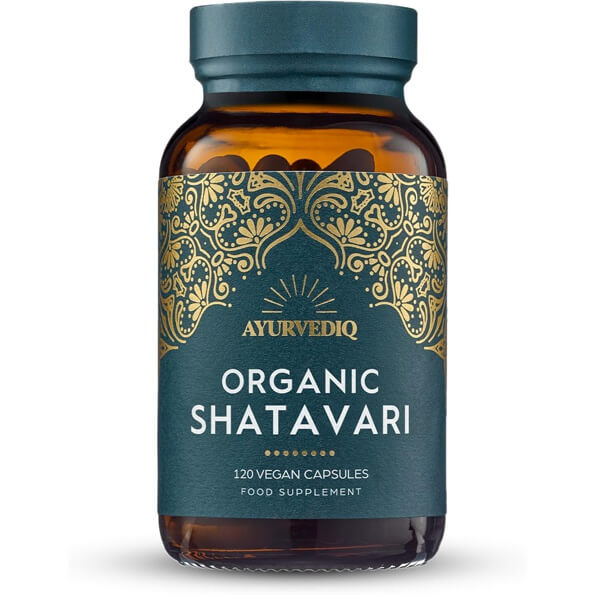
As with any herbal supplement, look for products that clearly state the plant part used (root, not leaf or stem), third-party testing, and standardised extract information where available.