MSM (methylsulfonylmethane) is a naturally occurring sulfur compound studied mainly in relation to joint comfort, with a genuinely mixed evidence picture — some trials show benefit, a key meta-analysis didn’t. Below you’ll find our picks, along with an honest look at where the research is solid and where popular claims (seasonal allergies among them) get ahead of it.

Beauty & Skin Support
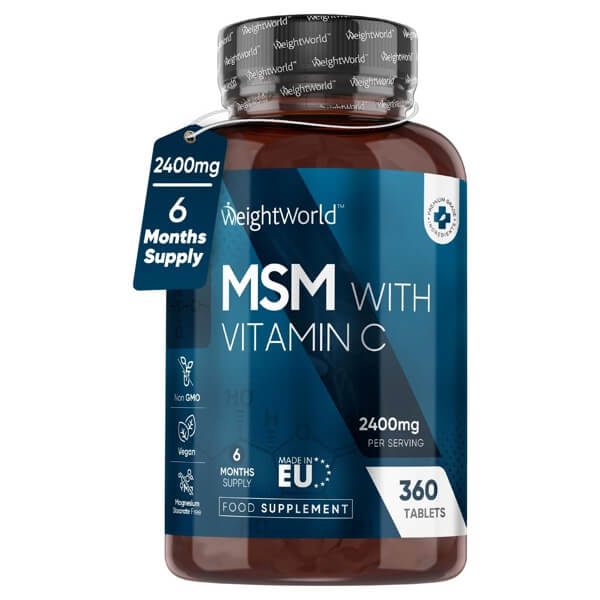
MSM 2400mg with Vitamin C for Joint & Bone Support 360 Vegan Tablets
MSM: What Research Actually Shows
MSM is a naturally occurring organosulfur compound found in small amounts in fruits, vegetables, and grains, providing sulfur relevant to the body’s connective tissue. It’s most commonly studied in relation to osteoarthritis and joint comfort, though it’s worth being accurate about the strength of that evidence: a 2011 meta-analysis of MSM and the related compound DMSO found no statistically or clinically significant reduction in osteoarthritis pain, while several individual randomised trials, including more recent ones, have found meaningful improvements in knee pain and stiffness measures. This is a genuinely mixed picture rather than settled, confident support — reasonable to try, but not guaranteed to help.
Claims about MSM and seasonal allergies rest on considerably thinner ground: the main supporting study is a single, small, open-label trial from 2002 (not blinded or placebo-controlled), and no larger or more recent research has confirmed the finding since. This is worth knowing if allergy relief is your main reason for considering MSM specifically. General claims about immune function and antioxidant activity are similarly based on preliminary research rather than established, guaranteed effects.
On safety: a 16-week randomised trial at 6g daily found no changes in liver or kidney function, which is reassuring for standard dosing. That said, some literature has noted unconfirmed reports of increased blood pressure, altered liver enzyme readings, and enhanced effects of anticoagulant medication — worth mentioning to your GP if you take blood thinners or have an existing liver or kidney condition, even though these reports remain unproven rather than well-established risks. Mild digestive discomfort, headaches, and occasional skin irritation are the more commonly reported, genuine side effects. Very high doses (well beyond typical supplement amounts) have caused organ changes in animal studies, reinforcing that sticking to researched dosage ranges (generally 1,000-3,000mg daily) makes sense rather than assuming more is better.
As with any supplement, look for third-party tested products with clearly stated sulfur content, and speak to your GP before starting if you take regular medication or have an existing health condition.