Maca root is an Andean adaptogen with genuinely interesting research behind its effect on libido — though not through the hormonal mechanism most marketing assumes. Below you’ll find our picks, along with an important correction: rigorous trials consistently find maca doesn’t actually change testosterone or other hormone levels, despite being marketed as a “hormone balancer.”
Herbal Supplements
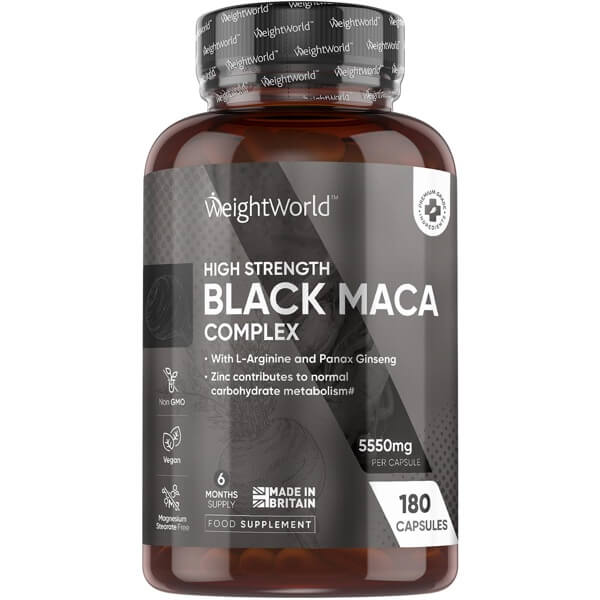
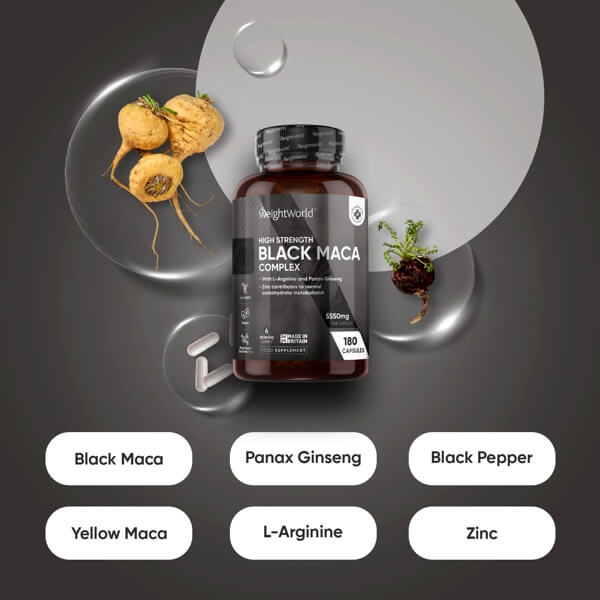
Maca Root 5550mg Black & Yellow Maca with Ginseng 180 Capsules
Maca Root: What Research Actually Shows
Maca (Lepidium meyenii) has been cultivated in Peru’s Andes for centuries as both food and traditional remedy, and modern research has focused particularly on its effects on libido and sexual function. This is genuinely maca’s best-supported use — multiple randomised controlled trials have found improvements in self-reported sexual desire in both men and women, with effects generally noticeable from around 8-12 weeks of consistent use.
It’s important to correct a common misunderstanding here: maca does not appear to change testosterone, oestrogen, or other hormone levels in rigorous human trials. A study in the Journal of Endocrinology testing 1.5g and 3g daily doses over 12 weeks in healthy men found no change in testosterone, luteinizing hormone, follicle-stimulating hormone, or prolactin at any point — and this null result has been replicated across multiple studies. This means maca’s libido effects work through a different pathway than direct hormone modulation, possibly related to its adaptogenic influence on the body’s stress response system. This is worth knowing specifically because it means maca isn’t a “testosterone booster” or direct hormone treatment, whatever marketing sometimes suggests, and it’s genuinely reassuring for anyone with a hormone-sensitive condition wondering whether maca might interfere.
Fertility-specific evidence is considerably weaker than the libido research, and particularly limited for women — a 2024 systematic review found fertility-focused trials generally suffer from small sample sizes and short durations, and current evidence doesn’t establish maca as a fertility treatment. If you’re trying to conceive or have fertility concerns, a GP or fertility specialist is a far more reliable starting point than a supplement. Similarly, claims about maca directly easing menopause symptoms or actively managing PMS rest on a smaller, less consistent evidence base than the libido research — worth knowing before choosing maca specifically for these reasons.
Maca belongs to the cruciferous vegetable family, and like other cruciferous plants (and moringa root, covered elsewhere on this site), it contains compounds that can potentially interfere with thyroid hormone production in some people — this is why anyone with a thyroid condition, or taking thyroid medication, should check with their GP before regular use, rather than assuming it’s automatically safe.
On forms: gelatinized maca (pre-cooked to remove starches) is generally easier to digest than raw maca powder. You’ll see yellow, red, and black maca marketed for different specific benefits (general use, female-specific support, male-specific support respectively) — this distinction is based more on traditional use and limited preliminary research than strong comparative human trials, so it’s reasonable to choose based on availability and quality rather than assuming one variety is definitively superior for your specific goal.
Most research uses 1.5-3g daily; mild digestive upset is the most commonly reported side effect when starting out.